

Which is a Better Platform for an E-commerce Website in the Long Run: WordPress or Shopify?
Understanding the strengths, limitations, and long-term impact of WordPress and Shopify
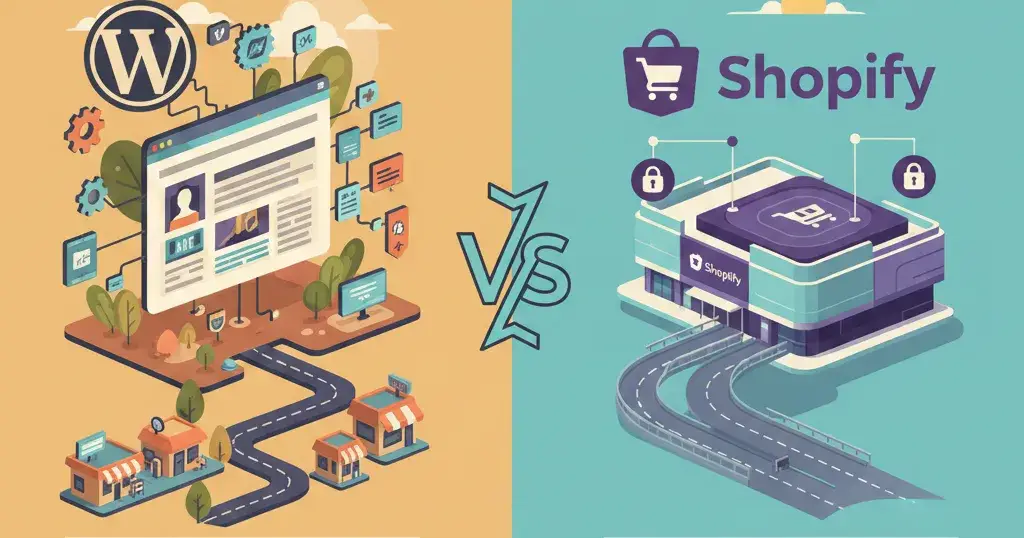
If you are looking to build an e-commerce website, choosing the right platform has the biggest role to play. While there are numerous options for you to choose from, two prime choices dominate the industry- WordPress and Shopify. You may choose one of these two options for building a functional and user-friendly business platform. But how do you know which one will be better for the long term success of your business?
In this article, we will analyze the strengths and weaknesses of both platforms and help you decide which option will be a better choice for your marketplace. Reach on for further insights.
WordPress: A Platform that Offers Maximum Flexibility
WordPress is a highly popular content management system used around the world. This platform is highly flexible and allows businesses to build various types of websites including e-commerce marketplaces. By using the right plugins and customization, you can tailor WordPress to any business model. Let us understand the advantages and disadvantages of using WordPress for building an e-commerce store.
Pros of Using WordPress for Ecommerce
Allows You to Customize the Design and Features
The best reason to choose WordPress for building your business website is the level of flexibility it offers. It offers a wide variety of plugins and themes through which you can create a highly personalized ecommerce platform. Plugins such as WooCommerce transforms WordPress into a fully developed ecommerce platform. By customizing such a platform, you can create a marketplace where you can easily sell products, manage stock, and accept payments.
Economical Solution
WordPress is a free platform. You do not have to pay from using this platform to build your ecommerce marketplace. The expenses you have to make occur from using premium themes, plugins, and web hosting. While Shopify charges a monthly fee, WordPress does not involve any such costs. So, it proves to be a cost-effective solution for startup businesses.
Ideal for Search Engines
WordPress is a search engine-friendly website development system. It comes with built-in SEO plugins such as Yoast SEO, making it easier for you to optimize your ecommerce store for search engines. By doing SEO the right way, you can improve your website’s online visibility and attract more organic traffic.
Keeps Your Website Ready for Future Growth
When your customers start to increase, you will need to expand your ecommerce marketplace. WordPress website development keeps your platform ready for future expansion. As this CMS platform allows higher levels of customization, you can also easily add new platform features to cater to the increasing needs of your online store.
Cons of Using WordPress for Ecommerce
It Requires Regular Maintenance
To ensure your WordPress online store keeps operating smoothly, you need to ensure regular maintenance. If you do not have adequate technical knowledge, updating themes and plugins can become quite complex for you. You will need to hire a professional for such maintenance work, if you do not have the knowledge to do it on your own.
May Not Provide Adequate Levels of Security
As WordPress is a popular platform, hackers frequently target it. It offers several security plugins, however, the level of security offered may not be adequate for your ecommerce store. Compared to Shopify, WordPress may require higher levels of attention to keep the business platform secure.
May Not Be an Ideal Solution for Beginners
WordPress is an easy-to-use platform for experienced developers. However, it can be quite complex for beginners who do not have adequate technical knowledge. If you do not have such skills, it makes you dependent on a professional for troubleshooting any technical issue.
Shopify: A Streamlined Solution for Ecommerce Businesses
Shopify is a cloud-based ecommerce platform that enables businesses to easily create functional ecommerce stores. While WordPress is a general purpose platform, Shopify is particularly designed for selling products online. It is a fully managed service which implies it takes care of all essential aspects of the ecommerce website including hosting, security, and updates. Shopify website development is a perfect solution for those businesses who want a simple and easy-to-use website.
Pros of Shopify for Ecommerce
Simple and Easy to Use
Shopify offers easy drag-and-drop interfaces which allow you to build functional ecommerce stores without having any technical knowledge. This platform offers user friendly designs so you can focus on managing your business instead of working on managing the website.
Offers a Comprehensive Solution
Shopify is an all-in-one platform and it offers a comprehensive range of services including hosting, security, and updates. This makes Shopify an ideal choice for those business owners who do not know the technical aspects of managing a website.
Secure and Reliable Solution for Your Online Marketplace
Shopify is a secure platform for building your ecommerce store. This platform complies with PCI-DSS standards while handling payment information. The built-in security systems of Shopify makes it a more secure and reliable choice for building your ecommerce platform.
Gives You Access to Quality Customer Support
Shopify gives you access to 24/7 customer support through phone calls, emails, and live chat. This round-the-clock availability allows you to receive immediate support if you experience any complexity in managing your business platform.
Cons of Shopify for Ecommerce
You Have to Pay Ongoing Monthly Fees
Shopify users have to pay for monthly subscription plans along with additional charges for premium themes, and apps. For small businesses, these costs can add up and become a big amount.
There are Limitations in Customization
Shopify is easy to use. However, it does not offer adequate scopes for customization. One needs to have knowledge of Liquid, Shopify’s proprietary coding language for making any advanced modifications. For conducting complex customizations, you will need to hire a professional developer.
Involves Transaction Fees
If you do not use Shopify Payments, the platform charges transaction fees. Over time, these charges add up. If you choose Shopify, consider these costs while planning your budget.
Comparing WordPress and Shopify for Long-Term Viability
When you have to choose between WordPress and Shopify, consider the following factors to make the right decision.
Ease of Use
If you consider ease of use, Shopify is the easier and more user-friendly option. It offers a drag-and-drop interface along with ready-to-use templates. Shopify is an ideal option for businesses that want to enter the market quickly.
On the other hand, to set up a WordPress website, you require more time and technical skills. This platform offers higher levels of flexibility, however, it requires more time to learn WordPress and build a website using it.
Customization and Flexibility
If you consider customization and flexibility, WordPress is the winner here. This platform allows you to smoothly conduct advanced customization, if you want to have a unique business model. It can be extensively customized to meet your unique business needs.
Compared to WordPress, Shopify offers fewer options for customization. However, it is easy to use and an ideal option for those businesses who want streamlined experiences.
Costs in the Long Run
If you want a more cost effective solution in the long run, you should choose WordPress. With careful planning, you can manage the costs associated with hosting themes and plugins.
Shopify, on the other hand, needs you to pay monthly ongoing fees. However, it offers a comprehensive range of services within a single package. This platform can be an ideal option for those businesses that have a higher budget and want an easy to manage platform.
Conclusion: Which Platform is Right for You?
Both WordPress and Shopify are great choices for building functional and successful e-commerce websites. However, which platform you should choose depends upon your particular requirements.
● Opt for WordPress if you want complete control over the design, functionality, and future expansion of your platform. This option is ideal for you if you want to include advanced features in your website and do not have issue with investing time in managing the platform.
● If you want an easy-to-use and simplified solution for building your ecommerce platform, Shopify is the more ideal solution. It is a perfect choice for businesses who want to focus on their sales instead of worrying about managing their website.
Eventually, the best platform for your ecommerce website is decided by your business goals, budget, and the long term business strategy that you have in hand. So, carefully analyze both platforms and choose the option that best caters to your specific business requirements.

Join Asim on Peerlist!
Join amazing folks like Asim and thousands of other builders on Peerlist.
0
1
0