

Research work often feels scattered.
You find papers in one place, save notes in another, write somewhere else, and spend too much time trying to keep everything connected. The process can feel heavier than the research itself.

A lot of research work breaks apart too early.
You search in one place, collect PDFs in another, save notes somewhere else, and start writing only after a long stretch of switching between tabs, folders, and documents. That kind of workflow does not just waste time. It also weakens momentum. When the process feels fragmented, clear thinking becomes harder to sustain.
PapersFlow stands out because it treats research as one continuous process rather than a chain of disconnected tasks. It gives researchers a place to search, read, organize, review, write, and present without losing context at every step.
What makes PapersFlow feel useful
PapersFlow is not trying to be another general purpose assistant dressed up for academics. Its value comes from being shaped around actual research habits and actual research pressure.
It searches a very large academic corpus rather than depending only on broad web results
*It helps organize papers into a usable library instead of leaving everything as loose files
It supports literature review work with a structure that feels closer to a real research workflow
*It includes writing support inside the same environment, which matters when turning reading into output
It extends into presentation and community workflows, so the project does not stop at the draft stage
That combination matters because research is rarely just about finding one paper. It is about building an argument, testing it, checking what is missing, and turning all of that into something coherent.
Why this matters for real researchers
Good research tools do more than save clicks.
They reduce mental drag.
That sounds small, but it is not. Every time a researcher has to reopen a search, relocate a PDF, recover a citation, or rebuild context from scratch, they lose attention that should have gone into interpretation and judgment. A better workspace protects that attention.
PapersFlow feels built around that idea. It tries to keep the researcher inside the work instead of pushing the researcher into tool maintenance.
Useful parts of the product
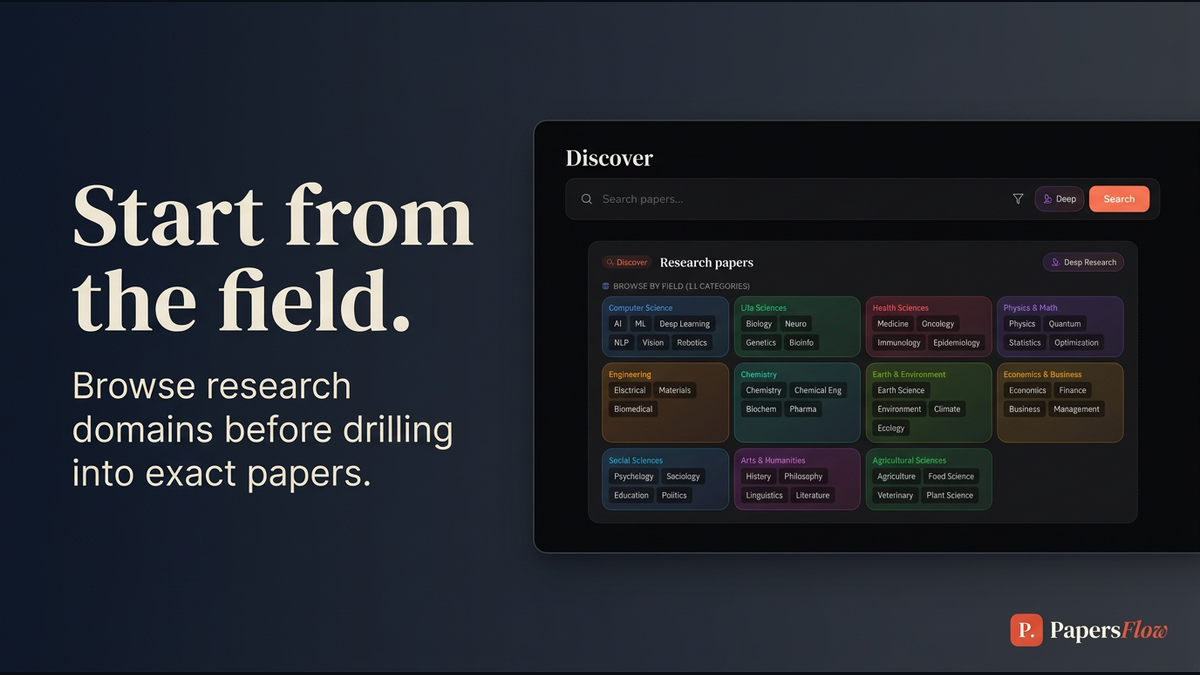
Search and discovery
Discovery is the first bottleneck in serious research. If the search stage is weak, everything after it becomes shaky.
PapersFlow makes a strong first impression because it is built around large scale academic search and recent paper coverage. That gives it practical value for people working in fast moving fields, especially when new papers and preprints matter.
Large academic paper coverage
Support for recent research discovery
Direct relevance for literature reviews and topic mapping
Better fit for academic use than a generic search flow
This is probably one of the most important parts.
A lot of tools help people find papers. Far fewer help them turn those papers into a meaningful review. PapersFlow positions itself around that gap. The product is not only about retrieval. It is about analysis, synthesis, and evidence handling.
That matters because literature reviews are where researchers usually hit overload. Reading ten papers is manageable. Reading fifty while trying to compare findings, spot disagreement, and build a balanced narrative is where structure becomes essential.
With PapersFlow, the pitch is clear: make the heavy middle part of research more manageable.

Library and knowledge organization
One of the quiet strengths of a research product is whether it helps you build a durable system.
PapersFlow is useful here because it is not just about one time answers. It also supports paper organization and personal library workflows. That is important because serious research is cumulative. A researcher is not starting from zero every week. They are building a body of references, notes, themes, and recurring questions over time.
A good workspace should feel better the more you use it. PapersFlow appears to be aiming for exactly that.
Writing inside the workflow
Writing is where many research tools suddenly become thin. They help with discovery, then leave the user alone when it is time to actually produce something.
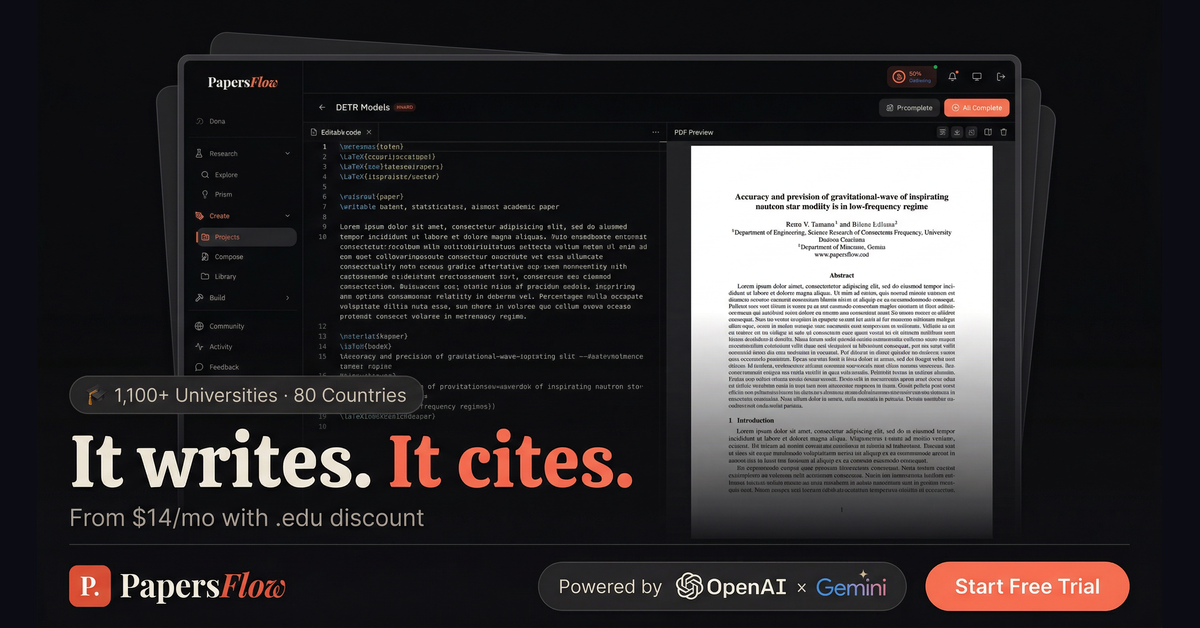
PapersFlow goes further by including writing support in the same environment. That is a strong product choice because the jump from reading to writing is where context usually gets lost.
Draft sections while staying close to your sources
Get citation suggestions from your own library
Check bibliography consistency
Export publication ready output
This is a thoughtful direction because writing is not separate from research. Writing is where research gets tested.
Agents with distinct roles
A lot of products claim intelligence. Fewer explain how that intelligence is organized.
PapersFlow is more convincing here because it presents distinct agents and roles across the research process. Instead of treating everything as one generic response box, it breaks the work into functions such as research, analysis, synthesis, critique, writing, presentation, and community.
That structure makes sense.
Research is not one action. Searching for evidence is different from comparing arguments. Critiquing a claim is different from drafting a section. Presenting findings is different again. A system that respects those differences is usually more useful than one that flattens them.
Tools and workflows that stand out
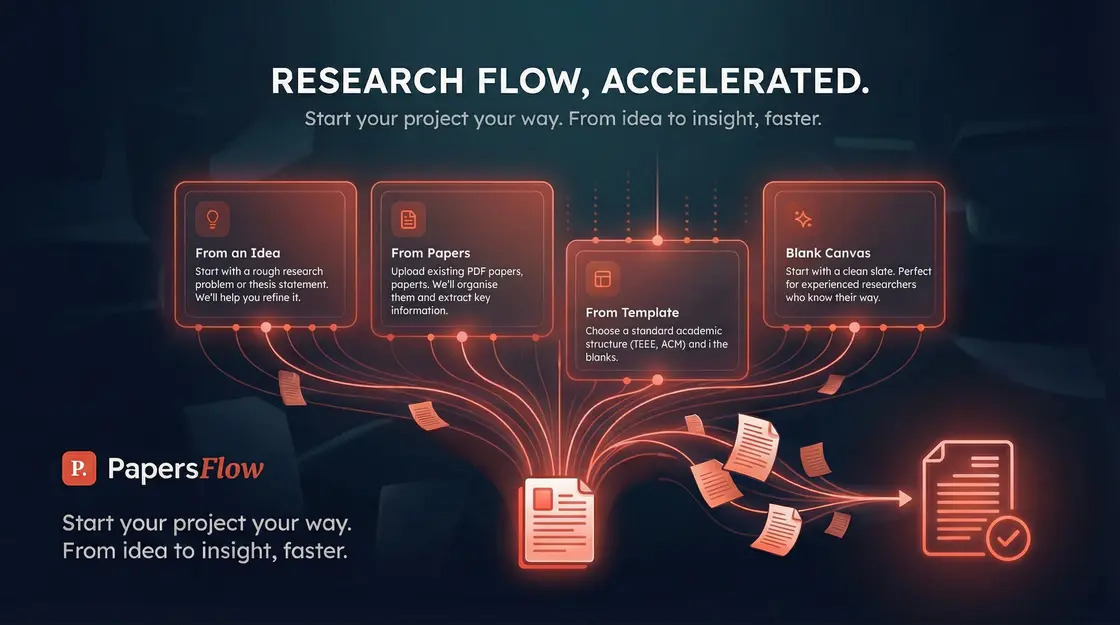
PapersFlow looks especially interesting for people who want one place to handle the full arc of a research project.
Useful capabilities
Paper discovery across a large academic index
Literature review support
Source backed research assistance
Library management
Instant summaries
LaTeX writing support
Bibliography validation
Presentation workflow support
Community workflows and templates
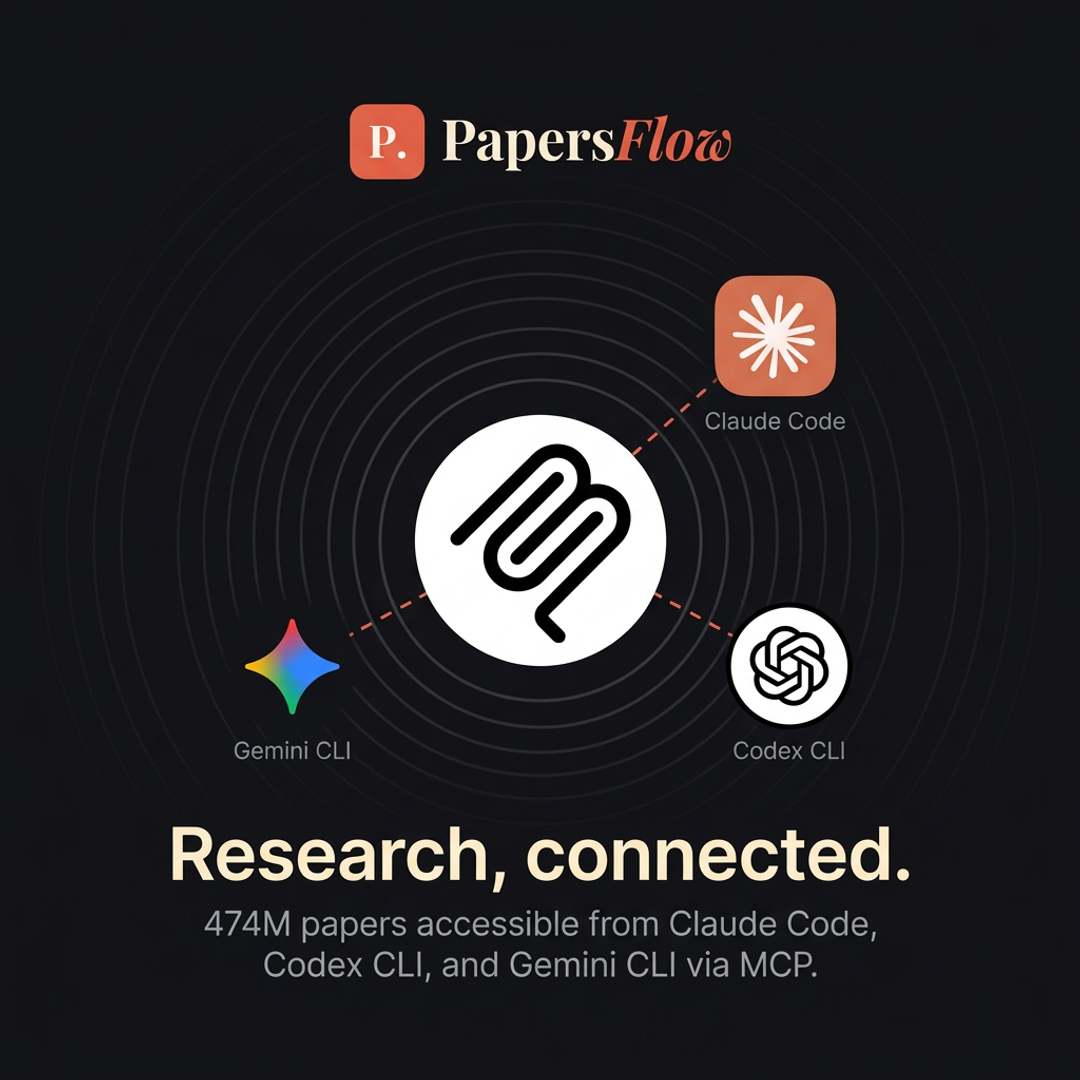
Code discovery and citation network oriented workflows for some research use cases
Who it seems best for
Students working on theses or dissertations
Researchers reviewing a large body of literature
Academic writers who want search and writing in one workspace
R&D teams that need defensible, source linked outputs
People who are tired of moving between too many disconnected tools
A realistic view
What makes PapersFlow more interesting is not just the feature list. It is the product philosophy behind it.
It appears to be built on the idea that researchers do not need more noise. They need more continuity, better structure, and tools that respect evidence. That is a stronger and more mature position than simply promising speed.
Also, PapersFlow is careful about where it fits. For example, formal systematic review compliance still belongs to established protocol driven workflows. That makes the positioning feel more credible because it is not pretending to replace every research process under the sun.
Final thought
PapersFlow feels like a product made for people who want their research process to become clearer, steadier, and more defensible. It is not just about finding papers faster.
It is about staying connected to your sources, keeping your thinking organized, and moving from search to synthesis to writing with less friction and more confidence. For researchers who feel buried under tabs, PDFs, notes, and half finished drafts, PapersFlow offers something genuinely valuable.

Join Mohamed on Peerlist!
Join amazing folks like Mohamed and thousands of other builders on Peerlist.
0
7
0