

ERP Software for Manufacturing: Features, Benefits, and ROI Explained
Discover how ERP software streamlines manufacturing operations, reduces costs, improves productivity, and delivers measurable ROI.
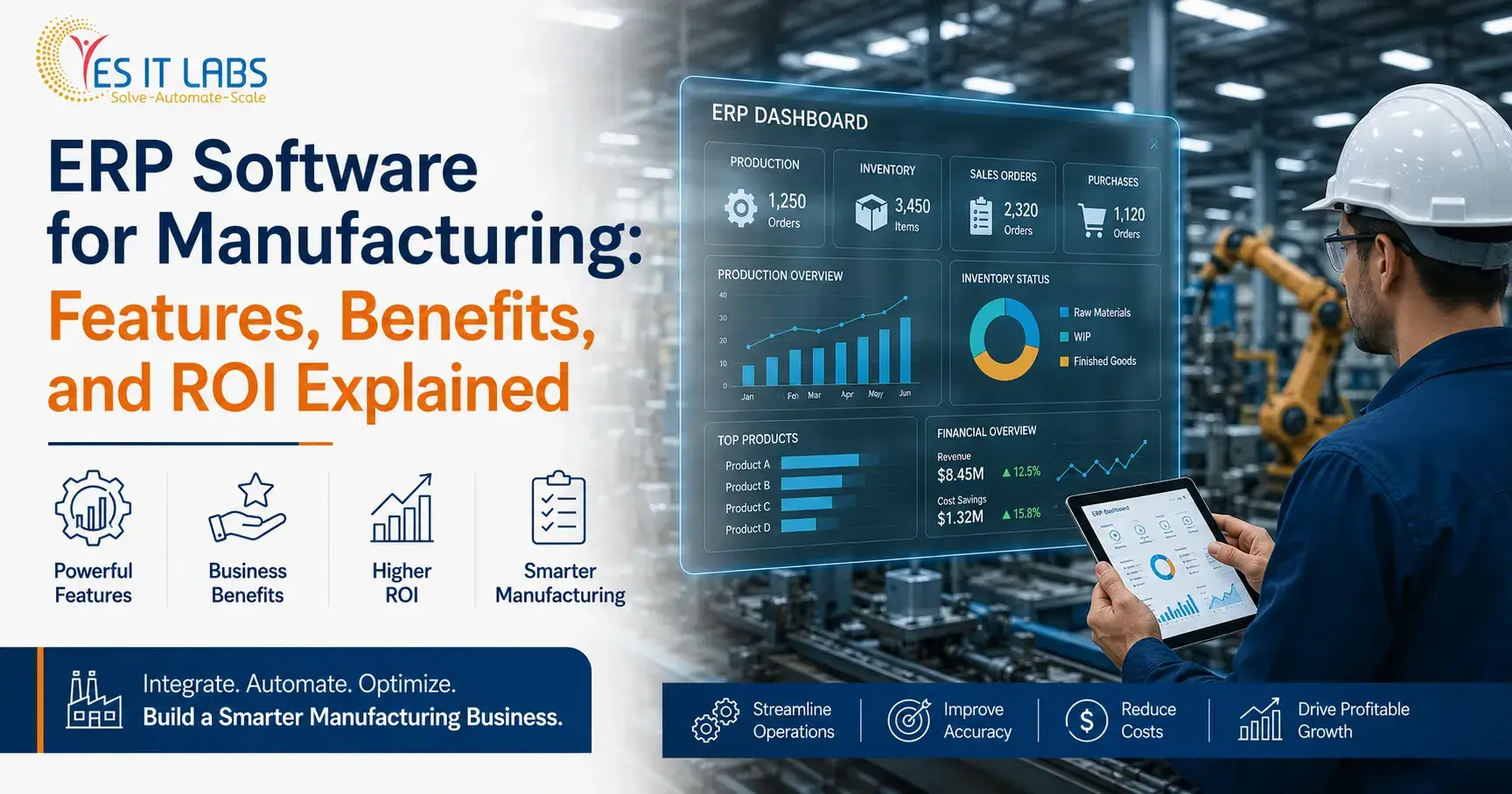
Manufacturing businesses today operate in an increasingly competitive and complex environment. Rising material costs, supply chain disruptions, labor shortages, and changing customer demands make it difficult to maintain profitability while ensuring operational efficiency. To overcome these challenges, manufacturers are turning to Enterprise Resource Planning (ERP) software.
ERP software for manufacturing integrates core business processes into a single platform, helping companies manage production, inventory, procurement, finance, sales, quality control, and supply chain operations more effectively. Instead of relying on disconnected spreadsheets and standalone systems, manufacturers gain real-time visibility into every aspect of their operations.
Many manufacturers also partner with a Manufacturing Software Development Company in USA to implement ERP solutions tailored to their production processes, compliance requirements, and long-term growth objectives. This approach helps businesses gain a competitive advantage while ensuring the software aligns with their operational needs.
According to industry research, companies implementing ERP systems can reduce operational costs by up to 23% and administrative costs by up to 22%, while significantly improving productivity and decision-making. This makes ERP one of the most valuable technology investments for modern manufacturers.
In this article, we'll explore the key features of manufacturing ERP software, its benefits, and the return on investment (ROI) businesses can expect.
What Is Manufacturing ERP Software?
Manufacturing ERP software is a centralized business management solution designed specifically to support manufacturing operations. It connects departments, automates workflows, and provides real-time insights into production and business performance.
Unlike generic ERP systems, manufacturing ERP solutions include industry-specific functionalities such as:
Production planning and scheduling
Inventory and warehouse management
Bill of Materials (BOM) management
Material Requirements Planning (MRP)
Shop floor control
Quality management
Supply chain management
Equipment maintenance tracking
By consolidating data into one system, manufacturers can reduce errors, improve collaboration, and make data-driven decisions.
Key Features of ERP Software for Manufacturing
1. Production Planning and Scheduling
Manufacturing ERP systems help businesses plan production efficiently by considering factors such as demand forecasts, machine availability, labor resources, and material requirements.
Benefits include:
Optimized production schedules
Reduced downtime
Improved resource utilization
Faster order fulfillment
Advanced ERP solutions can even automate scheduling adjustments when unexpected disruptions occur.
2. Inventory Management
Inventory management is one of the most critical functions in manufacturing. Excess inventory ties up capital, while shortages can halt production.
ERP software helps manufacturers:
Track inventory levels in real time
Monitor stock movements
Automate replenishment
Reduce carrying costs
Prevent stockouts
Real-time visibility allows businesses to maintain optimal inventory levels while minimizing waste.
3. Material Requirements Planning (MRP)
MRP functionality calculates the materials needed for production based on customer demand, production schedules, and existing inventory.
Key advantages include:
Improved purchasing decisions
Reduced raw material shortages
Better production planning
Lower inventory costs
MRP ensures that manufacturers always have the right materials available at the right time.
4. Bill of Materials (BOM) Management
A Bill of Materials is a detailed list of components required to manufacture a product.
ERP systems simplify BOM management by:
Maintaining version control
Tracking component changes
Supporting product customization
Reducing production errors
This is especially valuable for manufacturers producing complex products with multiple configurations.
5. Supply Chain Management
Supply chain disruptions can significantly impact manufacturing operations.
ERP software helps companies:
Manage supplier relationships
Track purchase orders
Monitor shipment status
Forecast demand
Improve procurement processes
Better supply chain visibility leads to fewer delays and more reliable production schedules.
In addition to supplier and procurement management, modern ERP platforms often leverage Third Party API integration services to connect with logistics providers, eCommerce platforms, CRM systems, shipping carriers, and accounting tools. These integrations create a seamless flow of information across the entire supply chain and improve operational visibility.
6. Quality Management
Maintaining consistent product quality is essential for customer satisfaction and regulatory compliance.
Manufacturing ERP systems support quality management through:
Inspection tracking
Quality control checkpoints
Non-conformance reporting
Compliance documentation
Corrective action management
These features help reduce defects and improve overall product quality.
7. Financial Management
ERP software integrates manufacturing operations with financial processes, providing accurate and real-time financial insights.
Capabilities include:
General ledger management
Cost accounting
Budgeting and forecasting
Accounts payable and receivable
Financial reporting
Manufacturers gain better control over profitability and operating expenses.
8. Shop Floor Control
Shop floor control features provide real-time visibility into manufacturing operations.
Benefits include:
Tracking production progress
Monitoring machine performance
Managing work orders
Measuring labor efficiency
This visibility enables managers to identify bottlenecks and improve operational performance.
9. Maintenance Management
Unexpected equipment failures can lead to costly downtime.
ERP systems often include maintenance modules that help businesses:
Schedule preventive maintenance
Monitor equipment health
Track maintenance history
Reduce breakdowns
Predictive maintenance capabilities further enhance equipment reliability.
10. Reporting and Analytics
Modern ERP solutions provide powerful dashboards and reporting tools.
Manufacturers can track:
Production efficiency
Inventory turnover
Order fulfillment rates
Profit margins
Equipment utilization
Real-time analytics enable faster and more informed decision-making.
Major Benefits of ERP Software for Manufacturing
Increased Operational Efficiency
ERP software automates repetitive tasks and streamlines workflows, reducing manual work and improving productivity.
Manufacturers often experience:
Faster production cycles
Reduced administrative workload
Improved employee productivity
Better resource allocation
Enhanced Data Accuracy
Manual data entry increases the risk of errors.
ERP systems provide:
Centralized data management
Automated updates
Consistent information across departments
Improved data accuracy leads to better planning and decision-making.
Better Inventory Control
Inventory optimization helps manufacturers:
Reduce excess stock
Minimize waste
Improve cash flow
Increase inventory turnover
Many businesses achieve significant inventory cost reductions after ERP implementation.
Improved Customer Satisfaction
ERP software improves customer service through:
Accurate order tracking
Faster deliveries
Better communication
Reliable production schedules
Satisfied customers are more likely to become repeat buyers and recommend your business.
Regulatory Compliance
Manufacturers often face strict industry regulations.
ERP solutions help maintain compliance through:
Audit trails
Document management
Quality records
Compliance reporting
This reduces compliance risks and potential penalties.
Greater Business Visibility
Real-time dashboards provide a complete view of operations.
Executives can quickly identify:
Production bottlenecks
Cost overruns
Supply chain issues
Performance trends
This visibility enables proactive decision-making.
ERP ROI: Is Manufacturing ERP Worth the Investment?
One of the most common questions manufacturers ask is whether ERP software delivers a worthwhile return on investment.
The answer is typically yes, provided the implementation is planned and executed properly.
Areas Where ERP Generates ROI
Reduced Inventory Costs
Many manufacturers experience inventory reductions ranging from 10% to 30% due to improved forecasting and inventory management.
Lower Operational Costs
Automation reduces labor-intensive processes and administrative overhead.
Research indicates that organizations can achieve operational cost reductions of up to 23% after ERP implementation.
Improved Production Efficiency
Better scheduling and resource management help increase production output without requiring additional labor or equipment.
Reduced Downtime
Preventive maintenance and real-time monitoring reduce equipment failures and production interruptions.
Faster Decision-Making
Access to accurate, real-time data helps managers make informed decisions more quickly.
Example ERP ROI Calculation
Imagine a manufacturing company with:
Annual revenue: $10 million
Inventory carrying costs: $500,000
Administrative costs: $300,000
Production downtime losses: $200,000
After ERP implementation:
Inventory costs reduced by 20% = $100,000 savings
Administrative costs reduced by 15% = $45,000 savings
Downtime reduced by 25% = $50,000 savings
Total annual savings:
$195,000
If ERP implementation costs $250,000, the company could recover its investment in approximately 15 months while continuing to benefit from ongoing savings.
Signs Your Manufacturing Business Needs ERP Software
You may need a manufacturing ERP system if:
You rely heavily on spreadsheets
Inventory inaccuracies are common
Production delays occur frequently
Departments operate in silos
Reporting takes too much time
Customer orders are difficult to track
Business growth is becoming difficult to manage
These challenges often indicate that current systems can no longer support operational requirements.
Choosing the Right Manufacturing ERP Solution
When evaluating ERP software, consider:
Industry-Specific Functionality
Choose a solution designed for manufacturing processes.
Scalability
Ensure the system can support future growth.
Integration Capabilities
The ERP should integrate with existing systems and equipment.
User Experience
A user-friendly interface improves employee adoption.
Cloud vs. On-Premise
Cloud ERP offers flexibility, lower upfront costs, and easier updates.
Vendor Support
Reliable implementation and ongoing support are critical for success.
Organizations with unique workflows or specialized production requirements may benefit from Custom ERP software Development Services rather than off-the-shelf solutions. Custom-built ERP systems can be designed around specific business processes, helping manufacturers achieve greater flexibility, scalability, and operational efficiency as they grow.
Future Trends in Manufacturing ERP
Manufacturing ERP systems continue to evolve with emerging technologies such as:
Artificial Intelligence (AI)
Machine Learning
Industrial Internet of Things (IIoT)
Predictive Analytics
Digital Twins
Advanced Automation
These innovations are helping manufacturers become more agile, efficient, and data-driven.
Conclusion
ERP software has become a strategic necessity for manufacturers seeking to improve efficiency, reduce costs, and remain competitive. By integrating production, inventory, finance, procurement, and supply chain operations into a single platform, ERP systems provide the visibility and control needed to optimize manufacturing performance.
From streamlining workflows and reducing inventory costs to improving customer satisfaction and enhancing decision-making, the benefits of manufacturing ERP software are substantial. While implementation requires investment, the long-term ROI often outweighs the initial costs through increased productivity, operational savings, and sustainable business growth.
For manufacturers aiming to modernize operations and prepare for future challenges, implementing the right ERP solution can be one of the most impactful business decisions they make.

Join Paul on Peerlist!
Join amazing folks like Paul and thousands of other builders on Peerlist.