

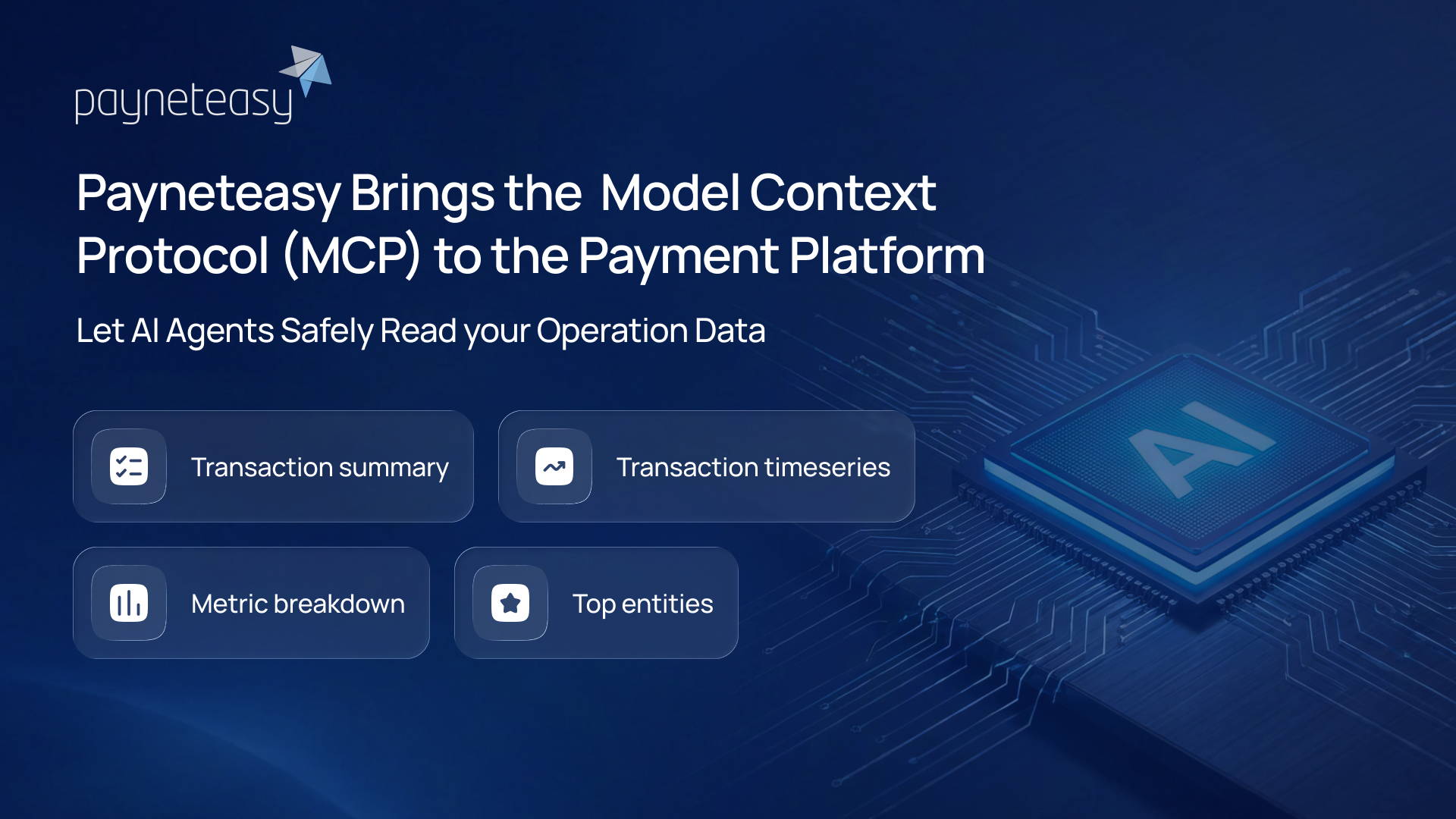
Payneteasy Brings the Model Context Protocol (MCP) to the Payment Platform — Let AI Agents Safely Read Your Operational Data
How MCP layer lets AI assistants query your Payneteasy backoffice without ever moving money or touching PCI cardholder data.
Most teams today have the same experience with AI assistants: useful in a browser tab, helpful for drafting, but still separate from real operational work. That changes when an assistant can answer concrete business questions about payment performance, approval trends, routing, and chargeback ratios instead of staying at the level of generic text generation.
On Payneteasy, that shift happens through the Model Context Protocol, or MCP.
What MCP is — in plain words
The Model Context Protocol (MCP) is an open standard for connecting AI agents to external systems.
Instead of every assistant needing a custom plugin for every tool, an MCP server advertises the questions it can answer, and any MCP-capable client — Claude, Cursor, a coding agent — discovers and asks those questions over one common protocol.
Applied to the Payneteasy platform, the MCP server exposes the read side of your backoffice: the statistics your analysts already pull, and the merchant, project, endpoint, gate and processor records they already look up.
It is a window for reading, not a lever for moving money.
What MCP actually does on Payneteasy today
MCP lets AI agents read your platform’s operational data.
Over one common protocol, an assistant can answer questions about transaction statistics and the merchant/project/endpoint/gate/processor configuration behind them — read-only, with no card (PCI) data in scope.
Today, the read layer already covers three main areas:
Transaction analytics: counts, amounts and ratios over time, by card type, by country and by decline/fraud reason, plus top-entity rankings.
Order-level lookup: a single transaction and its step-by-step processing trail.
Fast navigation of reference data: finding the right merchant, project, endpoint, gate or processor and reading its configuration without clicking through the backoffice.
MCP in action: you connect once, then ask
The interaction model is intentionally simple. An MCP-capable assistant connects to the Payneteasy MCP server with a scoped token, and then a user asks questions in plain language.
For example:
“Compare approved vs declined transaction volume for merchant ACME this month, broken down by week.”
The assistant can return a read-only answer such as:
“ACME, June 2026, weekly: approved turnover trending up week over week; declined count flat; filtered (fraud-blocked) share around 3% of attempts.”
Nothing is changed, and nothing is charged.
How MCP works in practice: three steps
Behind the scenes, the pattern stays deliberately simple:
Connect the agent
An MCP-capable assistant connects to the Payneteasy MCP server with a scoped token.It discovers the questions
The server advertises its read-only tools — transaction statistics, order lookup, and merchant / project / endpoint / gate / processor lookups.Plain-language answers
The agent asks in plain words and gets clear, read-only answers about your payments.
The shift is from people clicking through the backoffice to assistants querying it directly.
As agentic workflows move from concept to everyday operations, platform and operations teams will increasingly ask an assistant — not open six dashboards — “how did this processor’s approval rate move this month?”, “what’s the chargeback ratio for this merchant by card type?”, “which gate is this endpoint routed through?”.
Why adopt MCP now, not “later”
Agentic workflows are moving from concept to daily operations.
Teams are beginning to expect that they can ask an assistant about platform behaviour instead of clicking through dashboards.
A clean, safe MCP lets your team query the platform through an assistant instead of clicking dashboards — establishing the agent-native workflow before it becomes a baseline expectation.
Platforms that wire it in now own that agent-native workflow before it becomes table stakes.
To explore all the details, examples, and technical specifics of MCP on the Payneteasy platform, read the full launch article on the website: https://payneteasy.com/blog/model-context-protocol-for-payments
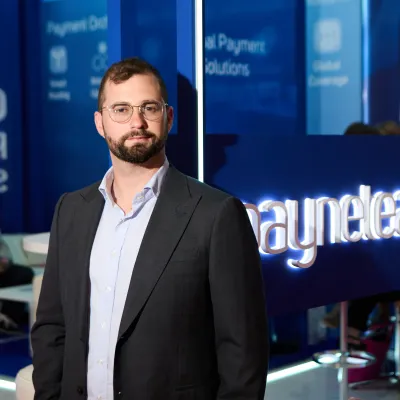
Join Payneteasy at iGB L!VE London on July 1–2 to see MCP in action. Boaz Gam, Anna Verhman, and Daniel Karpilovsky will show how Model Context Protocol gives AI agents secure, read-only access to payment operations data — helping teams analyze transactions, explain performance, and get faster answers in real time.
Join Daniel on Peerlist!
Join amazing folks like Daniel and thousands of other builders on Peerlist.
0
0
0