

How AI Is Changing the Way We Read Manga
Manga is one of the most global forms of storytelling on the internet.
Japanese manga, Korean manhwa, and Chinese manhua reach millions of readers worldwide every day. But despite its popularity, one problem still exists:
Language barriers.
A huge number of manga chapters never receive official translations, and fans often have to wait weeks (or months) before translated versions appear.
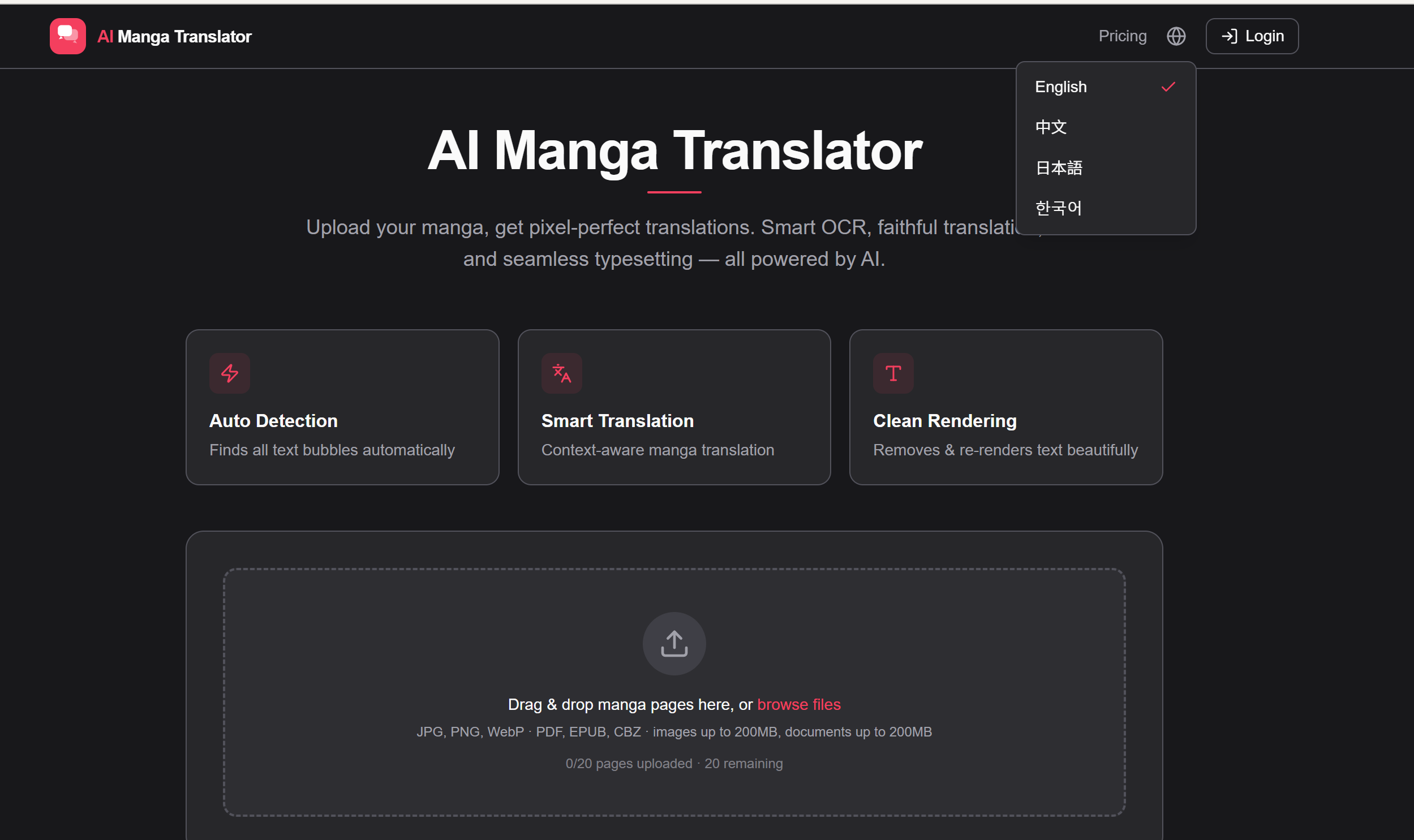
That’s where tools like AI Manga Translator come in.
The Problem With Traditional Manga Translation
For years, translating manga required a surprisingly complex workflow.
A typical fan translation process looked something like this:
Extract text from speech bubbles
Translate the dialogue manually
Remove the original text
Re-typeset the translated text into the page
This process is extremely time-consuming.
Even small manga chapters can take hours to translate and edit.
AI tools are starting to automate most of this process.
What AI Manga Translator Actually Does
AI manga translation tools combine several technologies into one workflow:
OCR (Optical Character Recognition) to detect text inside speech bubbles
AI translation models to translate dialogue into another language
Image processing to remove original text and replace it with translated text
The result is a translated manga page that still preserves the original artwork and layout.
Modern tools can even detect:
speech bubbles
narration boxes
sound effects
vertical Japanese text
This means readers can upload a manga page and get a translated version in seconds.
Why This Tool Is Interesting
Tools like AI Manga Translator are not just another translation tool.
They represent a shift in how visual content is processed by AI.
Instead of translating plain text, these tools understand:
visual structure
speech bubble locations
reading order
comic layouts
Some platforms can translate manga into dozens or even hundreds of languages, while keeping the artwork intact. ()
That’s a completely different challenge compared to translating documents.
Who Uses Tools Like This?
The audience is surprisingly diverse.
1. Manga readers
Fans who want to read Japanese or Korean comics before official translations appear.
2. Scanlation groups
Fan translation teams that publish translated manga online.
AI dramatically speeds up their workflow.
3. Content creators
YouTubers, bloggers, and reviewers who need quick translations when discussing manga.
4. Language learners
Many people use manga as a fun way to learn Japanese or Korean.
Why This Matters for Builders
From a product perspective, AI Manga Translator is interesting because it sits at the intersection of three trends:
AI vision models
translation models
creator tools
Instead of building generic AI utilities, tools like this focus on very specific workflows.
And that’s often where the most interesting AI products emerge.
A niche problem.
A focused audience.
A clear workflow improvement.
The Bigger Idea
The bigger idea here isn’t just manga.
It’s AI understanding visual storytelling.
Comics, memes, infographics, and visual narratives are full of text embedded inside images.
Traditional translation tools can’t handle that well.
But AI models that combine vision + language are starting to change that.
And manga translation is one of the clearest examples of this shift.
Final Thought
The internet is full of visual content locked behind language barriers.
Tools like AI Manga Translator show how AI can unlock that content for a global audience.
Not by replacing creators.
But by helping stories travel further.
Supporting Global Niche Communities
We believe every manga fan deserves a seamless reading experience. That's why we've localized our AI engine for:
Give our localized tools a try and let us know what you think!

Join Peter on Peerlist!
Join amazing folks like Peter and thousands of other builders on Peerlist.