

Why Design Matters More Than Ever in the Agentic Era
Traditional SaaS succeeded through clean dashboards and intuitive flows; agentic SaaS demands interfaces that feel like working with a capable teammate
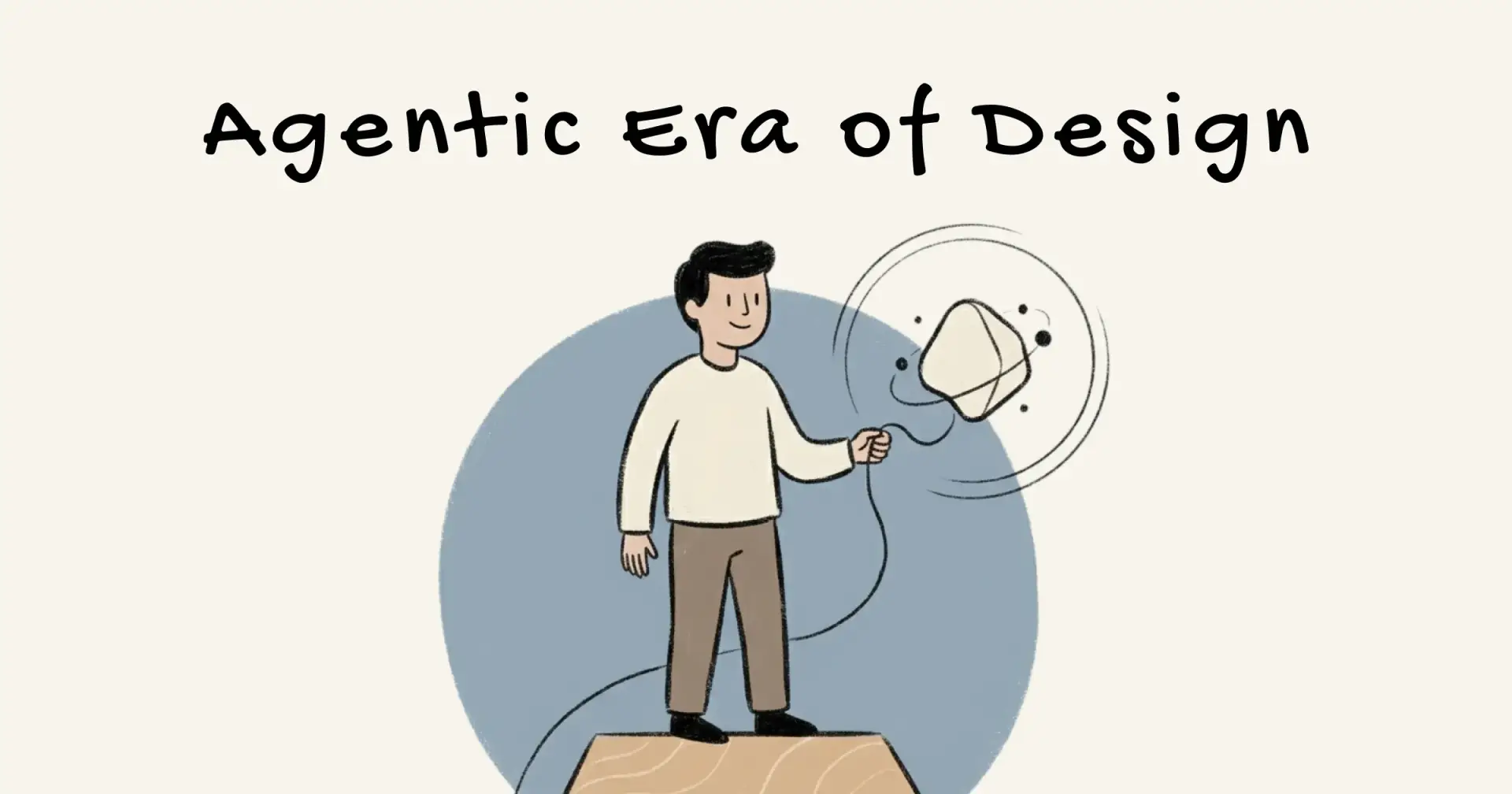
In 2026, SaaS isn’t just software—it’s an intelligent teammate powered by agentic AI. Poor design risks frustrating users who expect seamless human-AI collaboration, while thoughtful design builds trust and accelerates adoption. Data shows experience influences 74% of buying decisions, and 83% of leaders link weak UX to revenue loss. For founders racing to launch MVPs, investing early in design pays off through faster onboarding, lower support costs, and stronger retention.
As a SaaS product designer leading Panze.co (with roots in Khulna and operations in Albuquerque), I focus on turning complex agentic ideas into delightful, outcome-driven experiences. We handle branding, UI/UX for MVPs, full SaaS products, and visual identity—always user-first. Our clients report smoother launches and happier users, positioning their startups for growth. Schedule a free consultation at panze.co to explore how we can support your next build.
The rise of agentic AI—autonomous systems that reason, plan, and execute multi-step tasks—fundamentally transforms SaaS from static tools into collaborative partners.
Yet many founders underestimate the design layer that makes these systems usable, trustworthy, and commercially viable.
Drawing on 2025-2026 industry data, design patterns, and practical case studies from Panze.co’s work with early-stage SaaS builders, this paper examines why UI/UX and branding are now make-or-break factors.
It presents evidence-based best practices, a comparison of traditional versus agentic design, and actionable recommendations.
Founders who integrate professional design early report faster time-to-value, higher conversion, and sustainable retention—outcomes that directly support scaling and investor appeal.
At Panze.co, we specialize in crafting these experiences for MVPs, full products, and brands, helping startups navigate the agentic shift with confidence.
As a SaaS product designer and co-founder at Panze.co, I have witnessed firsthand how the agentic AI wave (systems that don’t just suggest but autonomously act) compresses development timelines while raising the bar for user experience.
Traditional SaaS succeeded through clean dashboards and intuitive flows; agentic SaaS demands interfaces that feel like working with a capable teammate—anticipating needs, explaining decisions, and gracefully handing off control.
Industry analyses confirm the stakes: McKinsey and Deloitte reports from late 2025 highlight that organizations scaling agentic AI see 2.5 hours saved per employee daily and 91% revenue uplift potential when operations are redesigned around autonomous agents.
However, without thoughtful design, these gains evaporate due to low adoption, trust erosion, or high support overhead.
This paper synthesizes recent research on agentic design patterns, quantifies UX impact on SaaS metrics, and offers a founder-oriented framework.
Our goal at Panze.co is simple: equip you with knowledge that turns ideas into products users love—and prompt consideration of specialized design support for your MVP or next iteration.
The Agentic Shift: From Static SaaS to Collaborative Systems
Agentic AI introduces new complexities: multi-agent orchestration, dynamic decision-making, and variable autonomy levels. Traditional SaaS design focused on predictability (buttons, menus, fixed workflows). Agentic design prioritizes partnership—fluid modalities, proactive nudges, and transparency.
Key differences include:
Interface Philosophy: Static GUIs vs. minimal, adaptive scaffolding that fades into the background.
User Role: Passive operator vs. collaborator who oversees, corrects, and teaches agents.
Success Metrics: Feature usage vs. task completion rate, trust scores, and human-AI handoff efficiency.
Data underscores the urgency. Arounda’s 2026 UX benchmarks show UX-optimized SaaS products achieve +31% average conversion growth post-redesign and up to +50% engagement uplift.
Forrester-linked studies indicate 351% ROI from design tools over three years, while poor UX can cost 10-15% of annual digital revenue through churn.
The agentic AI age rewards products that feel intelligent and trustworthy from day one. Data consistently shows that superior design correlates with superior outcomes: higher conversions, retention, and ROI. As founders, the choice is clear—treat design as core infrastructure, not a late-stage polish.
At Panze.co, we’re passionate about helping visionary builders create experiences that users not only adopt but champion. Whether you’re validating an MVP, scaling an existing SaaS, or refreshing your brand for the AI era, our team brings deep expertise in SaaS-specific, agent-ready design.
Let’s discuss your project.
or schedule a complimentary virtual coffee at tidycal.com/panze/meeting.
Together, we can design the intuitive, high-performing product that propels your startup forward in 2026 and beyond.

Join Rakibul on Peerlist!
Join amazing folks like Rakibul and thousands of other builders on Peerlist.
1
7
0