

You're Wasting Your Anger on the Wrong Target
Why redirecting your anger from the people who doubted you — toward the failures that actually cost you — is the only revenge worth taking.
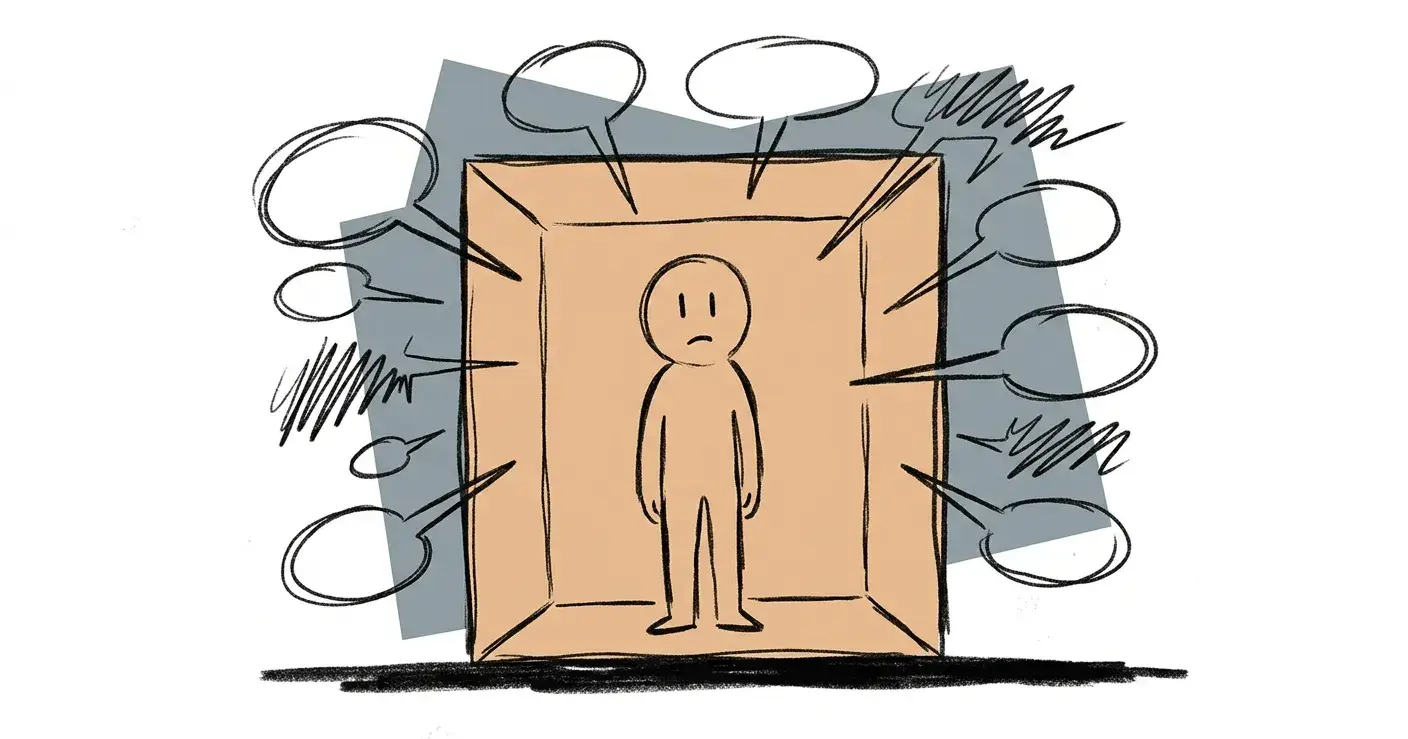
Someone blamed you.
Maybe it was a client who said your work wasn't good enough. A partner who said you weren't ready. A person from your past who counted you out. Maybe it was public. Maybe it was quiet and it still rings in your head at 2am.
The instinct is immediate: prove them wrong.
You want them to see it happen. You want them to watch you win. You want the revenge to be pointed — aimed right at the person who doubted you, with a receipt.
I understand that instinct. I've felt it.
But I've also learned it's the most expensive distraction you'll ever indulge.
Revenge on a person is borrowed energy
When you make someone's doubt your fuel, you're handing them the controls.
Every decision you make becomes about them. Every milestone gets filtered through what will they think now? You're not building anymore — you're performing. And the worst part? The audience you're performing for rarely notices. They've moved on. They're not watching. You're the only one keeping score.
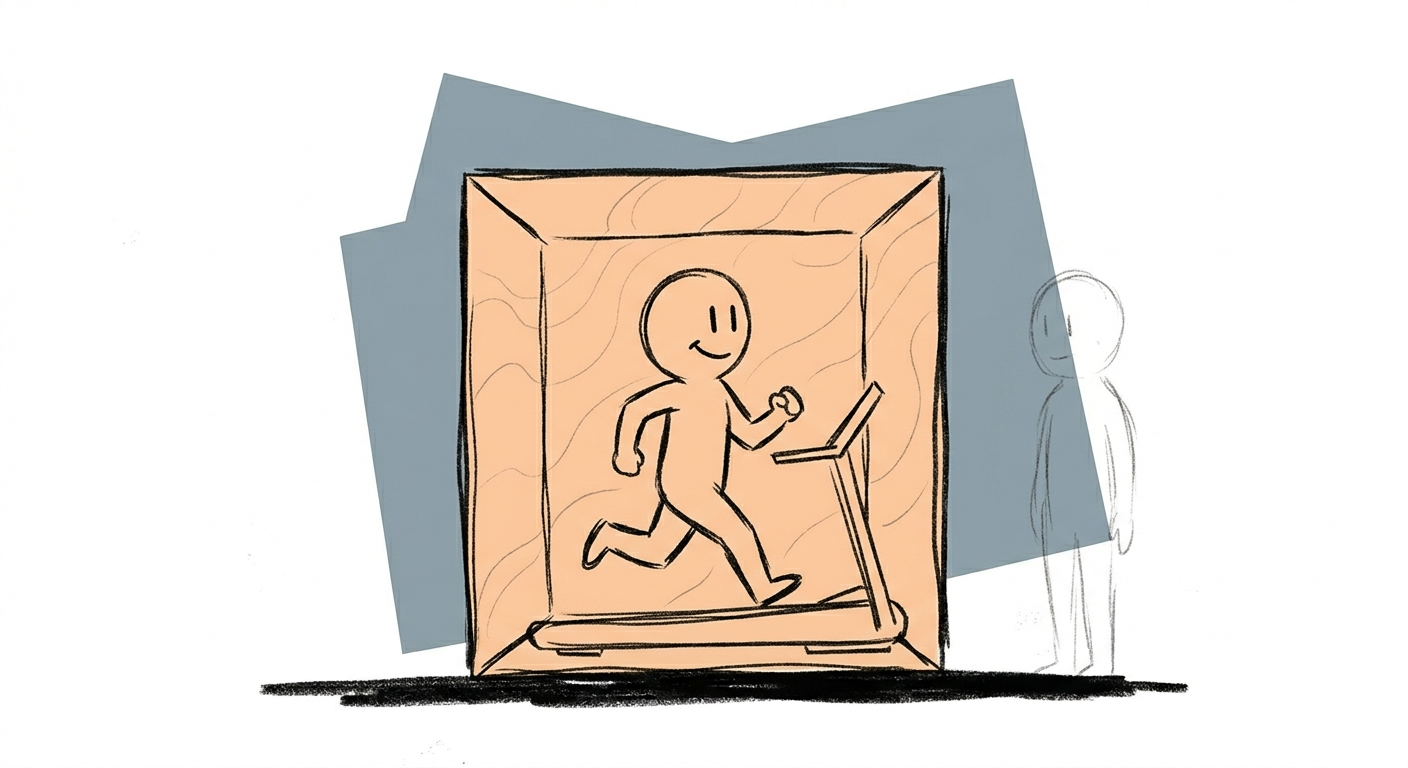
This is what people don't tell you about people-directed revenge: it's exhausting, and it doesn't end. Even when you win, you don't win — because the win only matters if they see it, acknowledge it, feel it. And they usually don't. So you raise the bar. You need a bigger win. A louder proof. You stay stuck in their orbit for years.
That's not revenge. That's dependency with a different name.
There's a different target
Your failures are sitting right there. Quiet. Patient. Not taunting you — just waiting.
The pitch you fumbled. The client you lost. The product you shipped too early or too late. The conversation you avoided. The skill you said you'd build and didn't. The year that passed faster than you planned.
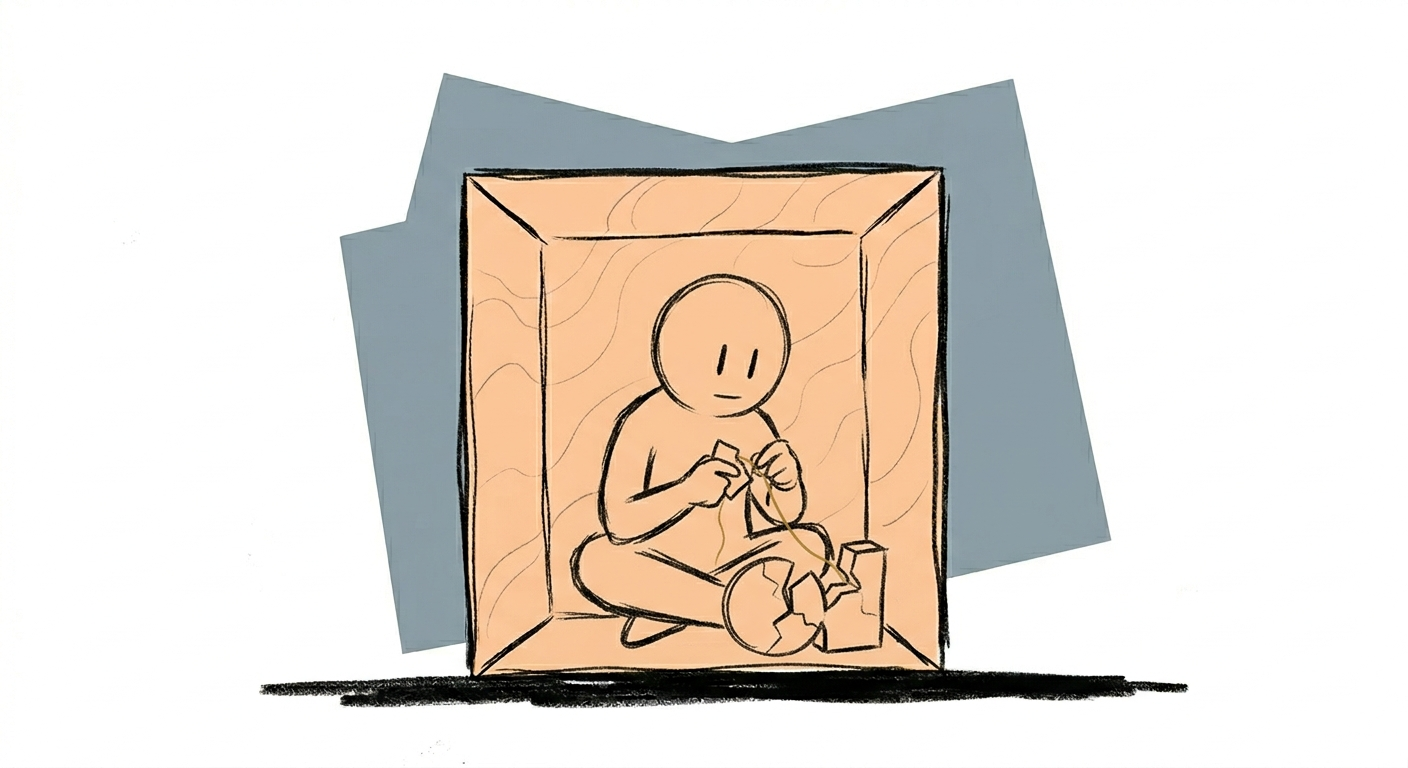
These don't have faces. You can't post a screenshot of beating them. There's no social proof moment. Nobody claps when you fix a broken process at 11pm. Nobody notices when you finally stop repeating the same mistake.
But that is the work that defines the future. Not because it's noble. Because it's directional.
Revenge on a person keeps you looking backward. Revenge on a failure points you forward.
What this actually looks like
It's not motivation-poster energy. It's quieter than that.
It looks like going back into a project you got wrong and understanding exactly where it broke. Not to feel bad — to never let it break the same way again.
It looks like a brutally honest retro after a lost deal. Not "the client didn't understand the value" — that's ego protecting itself. The real question: where did I lose the room? What did I miss? What did I assume that I shouldn't have?
It looks like building the capability you wished you'd had when things went sideways. Not because someone told you to. Because the failure showed you the gap, and now you know where to dig.
I've worked on projects where the scope exceeded what I was ready for. The lazy response is to blame the timeline, the client brief, the budget. The useful response is: what would I need to be different to handle that well next time? Then go build that version of yourself.
That's revenge on the failure. And that is compound interest.
The people who blamed you will do one of two things
They'll watch you grow and come around — or they won't.
Neither matters as much as you think it does right now.
If they come around, it's a footnote. If they don't, they're not your audience and never were. Either way, your results aren't built for them. They're built for the version of you that had to stand in that room and take that blame, and decided to get better instead of bitter.
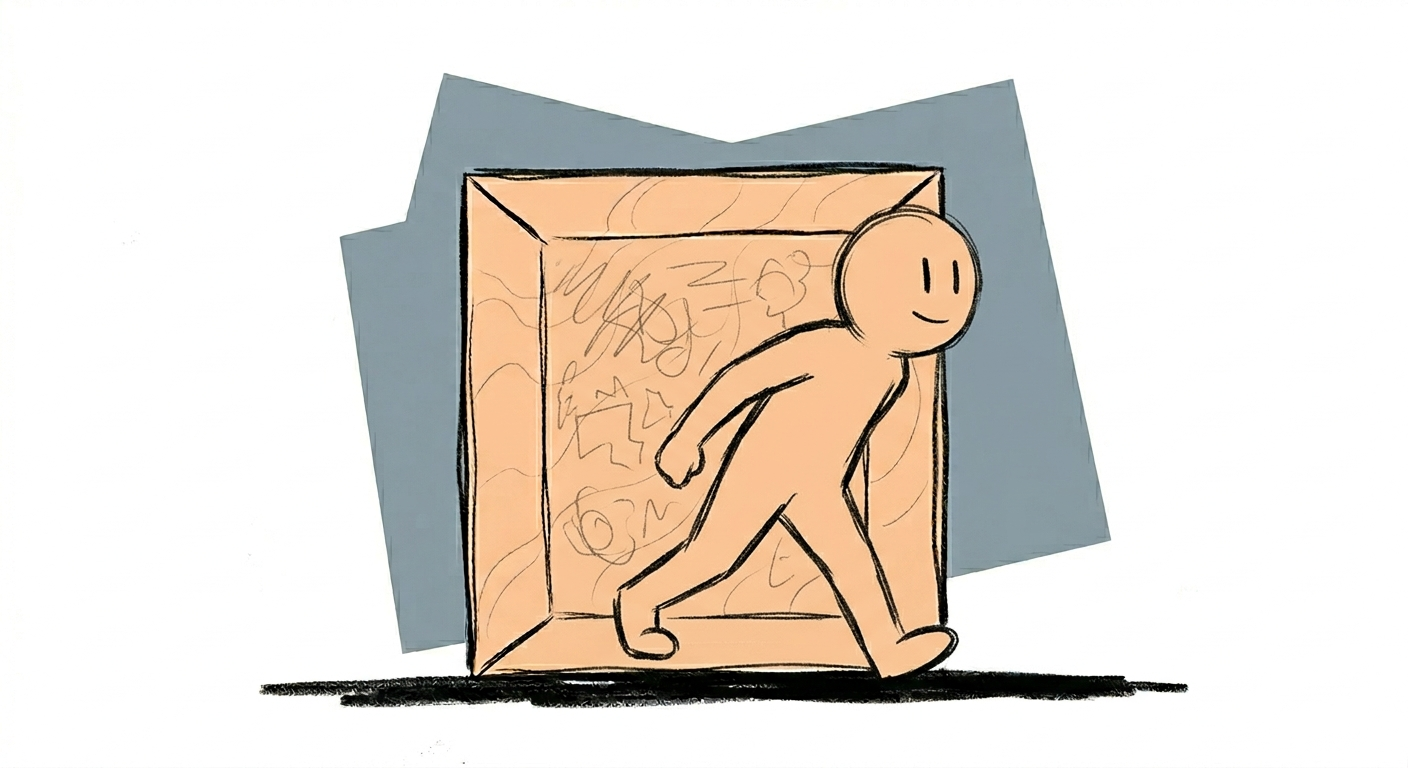
This is the thing I want to say clearly: it's not about forgiveness. You don't have to forgive anyone. You don't have to be at peace with what was said or done. You're allowed to be angry.
Just be angry at the right target.
The person who doubted you can't give you back the time you lost. The failure can.
One rule I try to live by
Don't let what someone said about you become the shape of what you build.
Because if your work is a reaction to someone's criticism, it will always carry that weight. It will be built defensively. You'll over-explain and over-prove. You'll optimize for looking right instead of being useful.
But when you build to correct a real failure — a process that broke, a skill that wasn't there, a decision that cost you — the work is clean. It's for a real reason. It doesn't need an audience to validate it. It just needs to work.
That's what the quote means to me:
Don't take revenge on people who are blaming you. Revenge on the failures. That will define the future.
Not theirs. Yours.
I'm Rakibul — building Panze, writing about design and building, and trying to think clearly about the things that actually matter in the work.

Join Rakibul on Peerlist!
Join amazing folks like Rakibul and thousands of other builders on Peerlist.
0
7
1