

From Post-its to Profit: Why Designers Need a Business Mindset
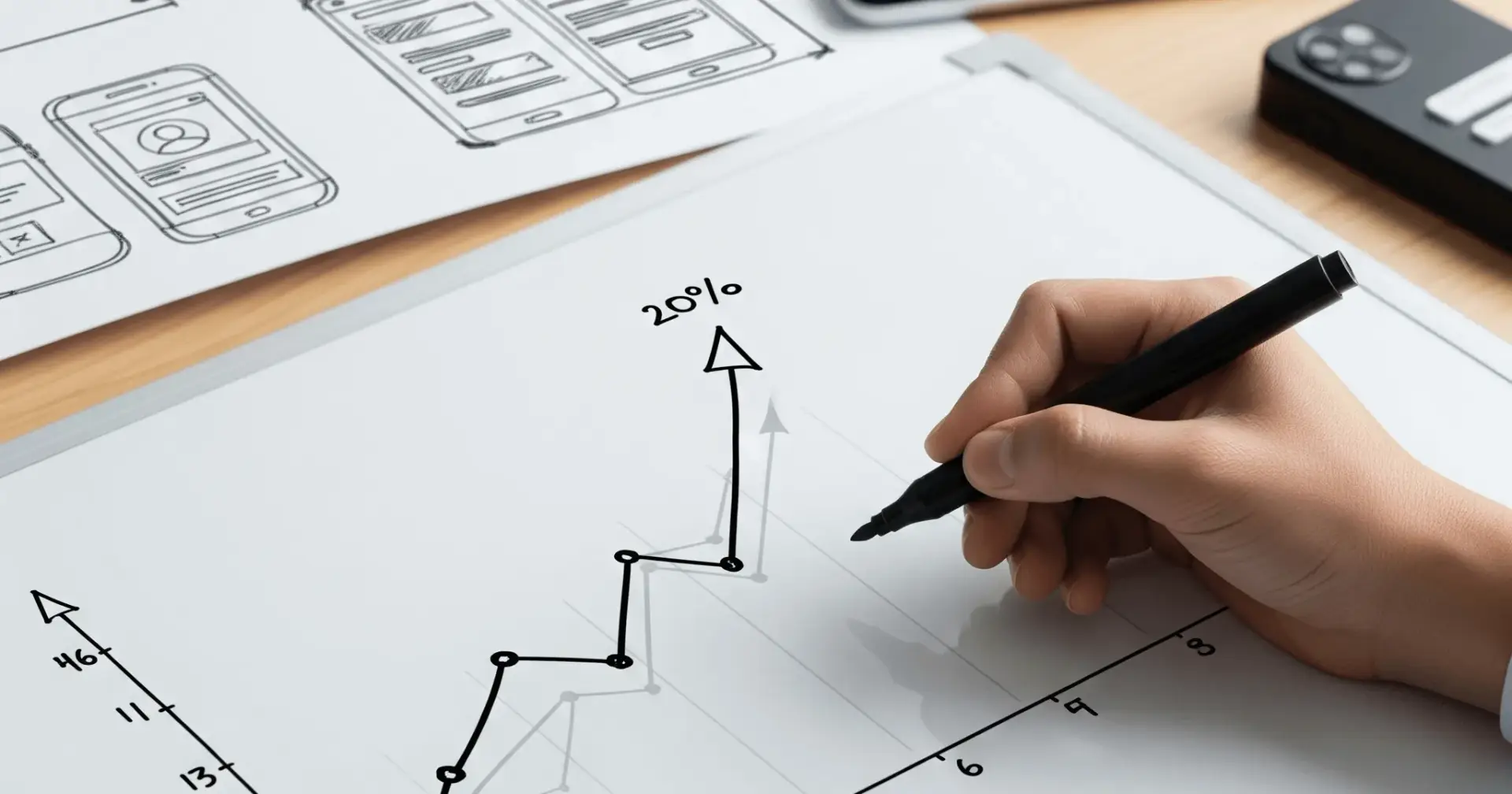
In most companies, design feels like it's on the sidelines. It’s often misunderstood and overlooked in decision-making.
To earn more respect, designers should start using terms familiar to business folks—think ROI, customer acquisition, and churn rate—while still talking about things like personas and wireframes.
Instead of saying “this looks nice,” try “this new information architecture can reduce drop-offs by 15%.”
When presenting your UX work, relate your decisions directly to KPIs, like conversion rates or net promoter scores.
For example, reworking the onboarding flow should be about boosting engagement, not just making screens pretty.
Bring up usability testing results when stakeholders ask “why this design?” Show them data—like how a redesigned checkout flow improved completion rates.
You can mention user journeys and prototypes, but always tie these tools to business outcomes.
When you run stakeholder interviews, make sure you know what metrics matter to them—maybe it’s retention, not just satisfaction.
Sometimes just framing your design pitch in terms of cost savings or growth will shift the conversation.
Use simple storytelling: “We redesigned this Mumbai fintech app’s dashboard. As a result, helpdesk calls dropped, saving operational costs for the company.”
Collaborate with product managers—seek feedback on how your visual hierarchy connects to their goals.
Share case studies from familiar contexts, like a Mumbai retail app, to help leaders see how design impacts their world.
Designers don’t need to abandon their craft, just show how design is a strategic business lever.
When you start speaking the language of the boardroom, doors open for more design influence.
To conclude:
"Start speaking the language of business today, and watch how your design ideas transform from sketches on a screen to powerful drivers of growth and success—because when design and business speak the same language, everyone wins."

Join Vijay on Peerlist!
Join amazing folks like Vijay and thousands of other builders on Peerlist.
0
9
1