

Human-Centered Design: Putting users first
Human-Centered Design (HCD) is not a process—it’s a mindset. It means designing products around real people, not assumptions.
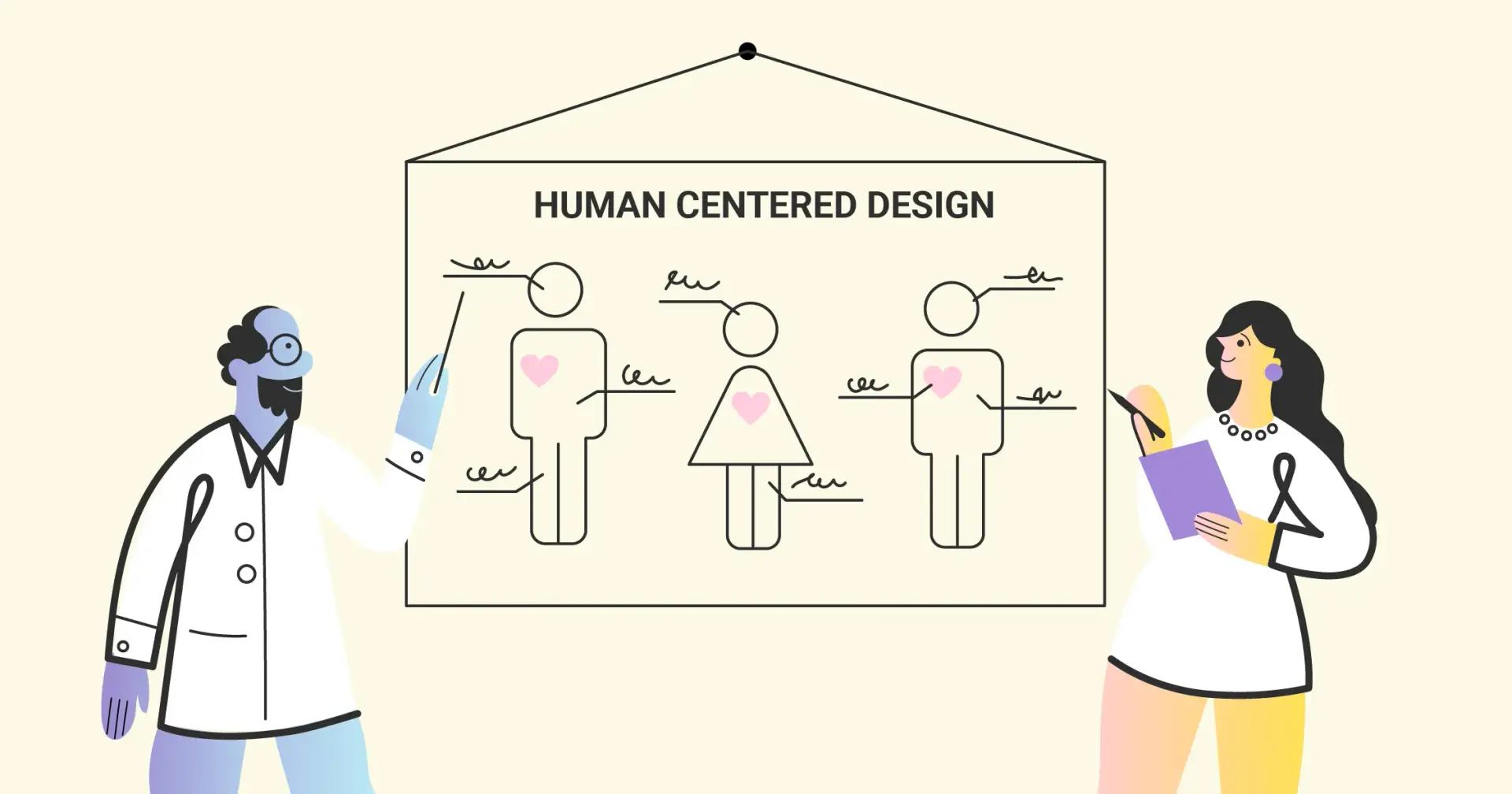
When people hear the term Human-Centered Design, they sometimes imagine a complicated framework.
But at its core, HCD is based on one simple belief:
Design works best when it understands and respects the people who use it.
It sounds obvious, yet many products fail because they forget the “human” behind the interface.
What Is Human-Centered Design?
Human-Centered Design (HCD) is an approach that starts with people’s needs, emotions, and behaviours—and designs solutions around them.
Instead of asking:
❌ “What features should we build?”
You ask:
✅ “What problem do people face, and how can we help them solve it?”
HCD ensures that products feel natural, intuitive, and meaningful.
Why Human-Centered Design Matters
In a world full of digital noise, people gravitate toward products that:
understand them
reduce effort
save time
feel delightful to use
The difference between two competing products often comes down to:
Which one makes life easier for the user?
That’s the power of HCD.
⭐ The 3 Pillars of Human-Centered Design
1. Empathy: Understand People Before Designing
This is the heart of HCD.
You observe, listen, and learn—not to validate your assumptions, but to challenge them.
Ask users:
What frustrates them?
What motivates them?
What makes them feel confident?
What stops them from completing a task?
Empathy gives depth to your design decisions.
2. Ideation: Create Many Possible Solutions
Once you know the users’ pain points, you brainstorm solutions.
There is no “perfect” idea at the start.
In HCD, you explore widely:
sketches
rough flows
wild ideas
experimental concepts
Quantity first. Quality later.
3. Iteration: Test, Learn, Improve
Human-centered design is never “done.”
You create prototypes → show them to users → observe reactions → fix what doesn’t work.
This cycle repeats until the design becomes simple, usable, and human-friendly.
Iteration builds confidence—because every change is backed by real behavior, not guesses.
🌱 A Simple Real-Life Example
Think of a metro ticket machine.
A non–human-centered design might:
show too many options
expect users to know station codes
hide instructions
overwhelm tourists
A human-centered design would:
simplify choices
show visual maps
guide step by step
offer a “quick buy” option
The difference between frustration and clarity is the difference between designing for systems vs. designing for humans.
🧠 The Biggest Myth About Human-Centered Design
Many beginners think:
“Human-centered design means doing everything the user wants.”
Not true.
HCD balances:
user needs
business goals
technical realities
The designer’s role is to find the sweet spot where all three align.
Final Thought
Human-Centered Design isn’t a process you follow once—
it’s a lens through which you look at every product decision.
When you design with humans in mind, your product stops being just a tool…
and starts becoming a companion that truly helps.

Join Vijay on Peerlist!
Join amazing folks like Vijay and thousands of other builders on Peerlist.
0
3
0