

Principles of Good UX Design
Good UX is not created by tools or trends — it is created by principles that guide how people interact with what you design.
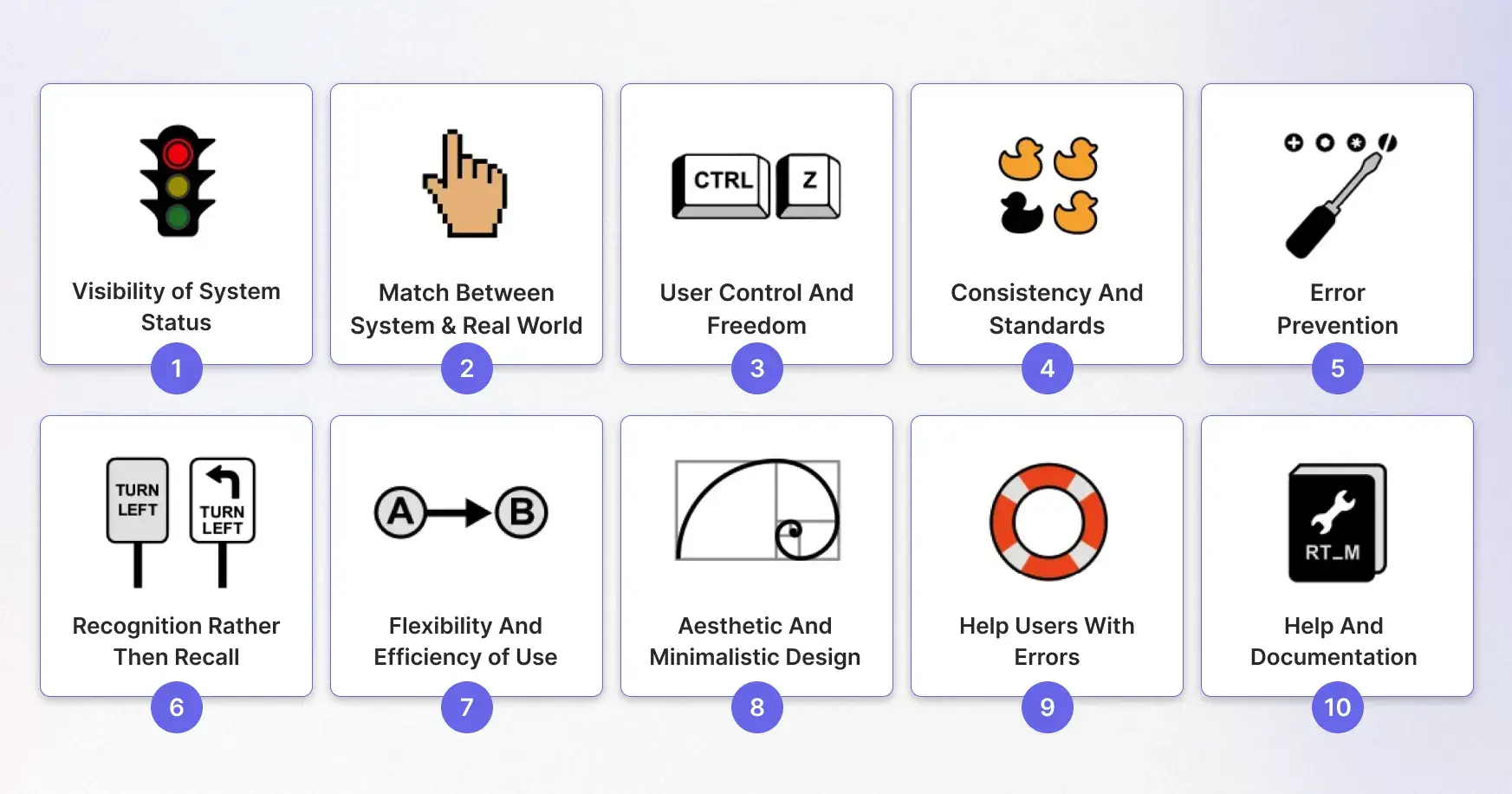
Every successful product — whether it’s a banking app, a food delivery service, or a smartwatch — is built on a foundation of timeless UX principles.
These principles aren’t rules to memorize.
They’re mindsets that help you design experiences that feel natural, intuitive, and human.
If you're a beginner, mastering these concepts will elevate every design decision you make.
Let’s explore the core principles of good UX design in a simple, approachable way.
⭐ 1. Clarity Over Cleverness
Users should never have to guess what to do next.
Good UX removes confusion before it appears.
Ask yourself:
Is this button’s purpose obvious?
Can the user understand this screen in 3 seconds?
Is anything here unnecessary?
Clarity builds confidence — and confidence leads to action.
⭐ 2. Consistency Creates Comfort
When patterns repeat, users learn faster.
Consistency reduces cognitive load and helps people predict what will happen.
Examples:
Same button styles for same actions
Same terminology across the product
Familiar layouts and navigation structures
A consistent interface feels trustworthy and effortless.
⭐ 3. Feedback Reassures the User
Imagine tapping “Pay Now” and nothing happens.
Instant anxiety.
Good UX acknowledges every action:
a loading spinner
a sound
a small animation
a “Success!” message
Feedback tells users:
“We heard you, something is happening.”
⭐ 4. Simplicity Wins (Always)
Simplicity isn’t removing features.
It’s removing friction.
Good UX asks:
What can we remove?
What can we automate?
What can we hide until needed?
If something doesn’t help the user, it hurts the experience.
⭐ 5. Make It Accessible to Everyone
Design should work for:
people with visual differences
people with motor challenges
people using screen readers
people on slow networks
people on small screens
Accessibility is not optional.
It is respect.
⭐ 6. Be Empathetic, Not Assumptive
Design begins with understanding the user — not assuming what they want.
Empathy means:
listening
observing real behaviour
asking better questions
understanding context
When you design with empathy, your product becomes genuinely useful.
⭐ 7. Prioritise the User’s Goal, Not the Company’s Convenience
The user comes to your product to get something done:
order food, read news, book a cab, pay a bill, find information.
Your job is to support that goal with minimal friction.
A good UX designer asks:
“Is this helping the user succeed — or slowing them down?”
⭐ 8. Guide, Don’t Overwhelm
Users don’t need the entire universe at once.
They need the next best step.
Good UX guides users gradually, using:
progressive disclosure
smart defaults
helpful hints
intuitive flows
Show information when it matters, not all the time.
🌿 Final Thought for Day 4
Principles are the designer’s compass.
Tools will change. Trends will change.
But these principles will guide you throughout your entire UX journey.
Good UX feels simple.
But it takes intention, empathy, and thoughtful decision-making to create that simplicity.

Join Vijay on Peerlist!
Join amazing folks like Vijay and thousands of other builders on Peerlist.
0
5
2