

The Psychology Behind User Behaviour
To design great experiences, you must understand how people think, feel, and make decisions — not just how they click.
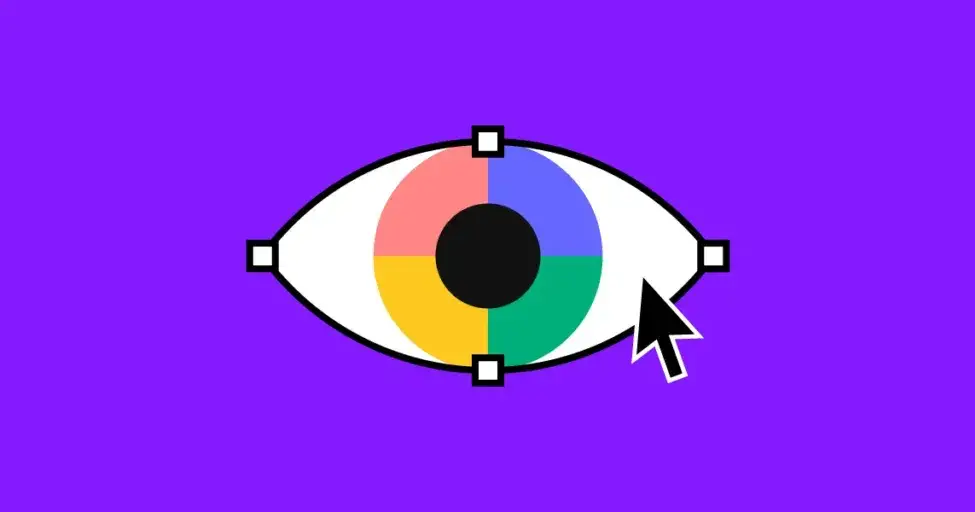
Every digital interaction is shaped by human psychology.
Users don’t behave randomly; they behave predictably.
They scan, not read.
They choose the quickest path.
They avoid effort.
They trust clarity.
They abandon confusion.
When you understand psychology, you start designing with human nature instead of fighting against it.
Let’s explore the psychological foundations every UX beginner should understand.
🧠 1. Users Seek the Path of Least Effort
People naturally choose the easiest, shortest way to complete a task.
This is known as the Law of Least Effort.
If your product makes users:
think too much
search too hard
fill too many fields
tap too many times
…they will leave.
Good UX reduces effort at every step.
👀 2. Users Don’t Read — They Scan
This is a fundamental behaviour.
Users scan for:
keywords
shapes
icons
familiar patterns
visual clues
That’s why clean layouts, strong hierarchy, and clear labels matter more than decorative visuals.
Design for scanning, not reading.
⚡ 3. Users Rely on Shortcuts (Heuristics)
The brain uses mental shortcuts to make faster decisions.
Examples:
A familiar icon reduces hesitation
A bold button signals importance
A green colour implies success
Items at the top feel more relevant
Design that supports these shortcuts feels “intuitive.”
😕 4. Too Many Options = Decision Paralysis
More choices don’t make users happier.
They make them anxious.
When users feel overwhelmed, they freeze.
Your job as a designer is to:
reduce choices
group options
guide with defaults
highlight recommendations
Clarity increases confidence.
🔄 5. Users Build Habits Based on Repetition
When design patterns are consistent, users learn them quickly.
But if buttons move, labels change, or layout patterns break, users feel lost—even if the design is prettier.
Consistency creates trust.
🧩 6. Emotions Shape User Behaviour More Than Logic
People remember how a product made them feel, not just what it did.
Emotions influence:
trust
satisfaction
loyalty
frustration
abandonment
Delightful micro-interactions, friendly empty states, and reassuring messages go a long way.
Design is emotional, not just functional.
🚫 7. Users Blame Themselves — Even When the Design Is Bad
When people struggle, they think:
“I must be doing something wrong.”
“I’m not good with technology.”
They don't say: “This product is poorly designed.”
This is why simplicity is not optional — it’s empathetic.
🌿 Final Thought
Understanding psychology makes you a better designer because it shifts your focus from:
“How do I make this look good?” to ->
“How do humans naturally behave, and how can I design around that?”

Join Vijay on Peerlist!
Join amazing folks like Vijay and thousands of other builders on Peerlist.
0
10
0