

Explain Tokenization to fresher
Breaking Down Tokenization: How Large Language Models Understand Human Language, Tokenization Explained Simply: A Beginner’s Guide
Imagine reading a message on your phone. You see words, maybe a smiley, and everything flows together. But for a computer, that whole message is just a long string of characters. Before any app or system can “understand” what you wrote, it needs to chop that string into meaningful chunks. This is where tokenization steps in.
Tokenization is the first step that turns text into pieces a computer can work with. Like cutting up Lego bricks before building something new, tokenization breaks down language for analysis, learning, and processing. This post explains what tokenization is, why it matters, and which tools you can try right away—even if you’re just starting out.
What Is Tokenization?
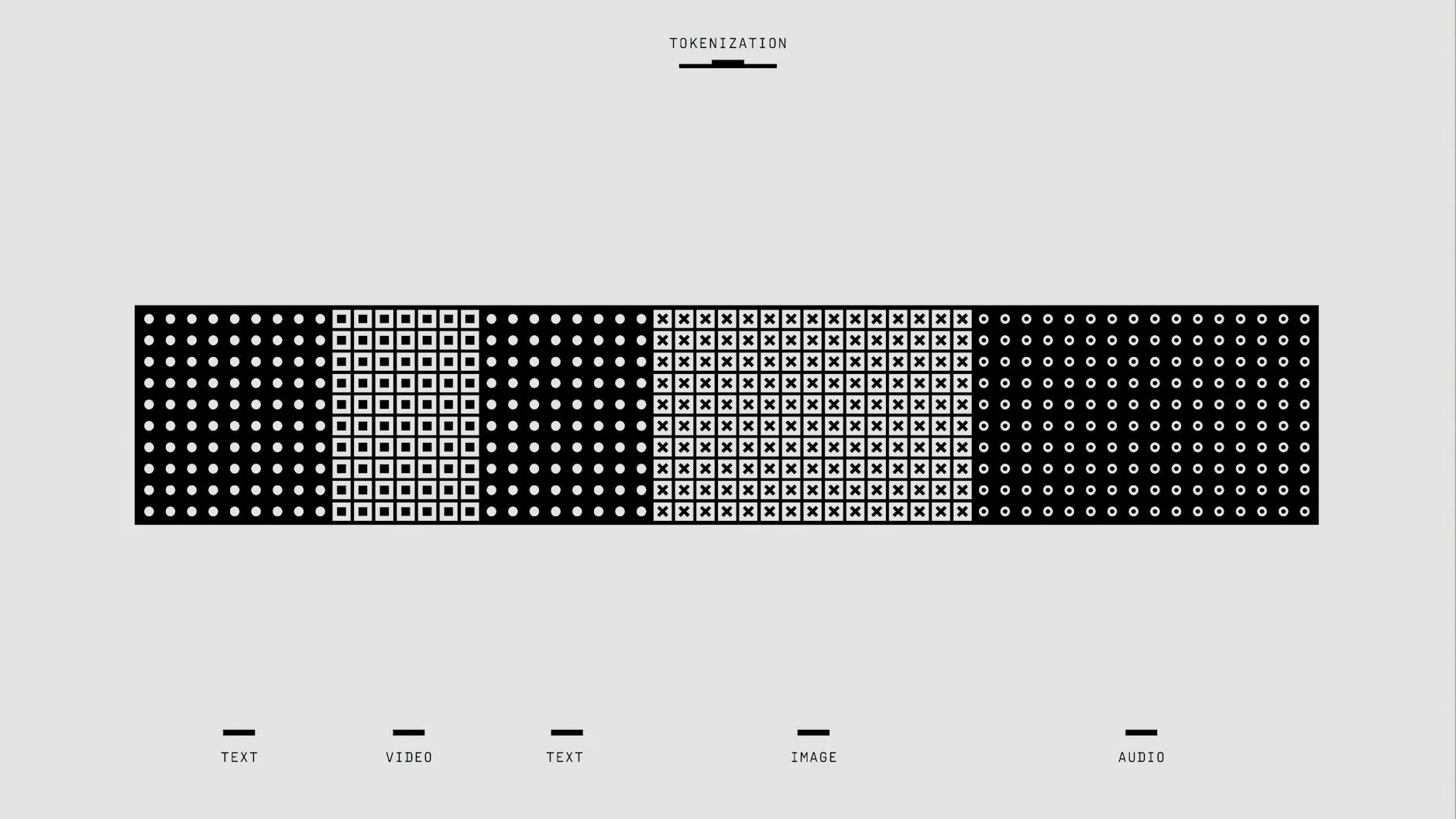
Photo by Google DeepMind
Tokenization means splitting a long string of text into smaller bits called tokens. Think of it like taking a sentence and snipping it up, word by word, so each piece can be looked at closely. These smaller parts, or “tokens,” act as the basic building blocks for anything you want a computer to do with language.
It’s like breaking a chocolate bar into squares or slicing a loaf of bread. Each token can be a word, a chunk of a word, or even a single character. Every big language task, from translating a paragraph to summarizing a news story, starts here.
For a deep dive, Datacamp’s guide offers a practical look at tokenization and its uses.
Words as Tokens
The simplest form of tokenization splits text using spaces and punctuation. Let’s look at a quick example:
Sentence:
I love NLP!
Word tokens:
I
love
NLP
!
Notice how the exclamation mark becomes its own token. Sometimes punctuation sticks to words (“NLP!” instead of “NLP” and “!”), which can cause trouble for simple methods.
Characters and Subwords
Another approach breaks down sentences even further:
Character tokenization: Every letter or character is a token:
I, l, o, v, e, N, L, P, !
Subword tokenization: Chops up words into smaller pieces, especially useful for rare or new words.
Example: "unhappiness" → "un", "happi", "ness"
With subwords, models can handle misspelled words, slang, and languages with long compound words, while also keeping the total list of tokens (vocabulary) manageable.
If you want more background, this breakdown explains tokenization for beginners.
Why Tokenization Matters for Freshers
If you want to train a model to spot emotion in tweets, write chatbots, or filter spam, the kinds of tokens you use will shape your results. Picking the right kind of tokenization helps models “understand” text faster and better.
Preparing Data for Machine Learning
Once text is split into tokens, you need to turn those tokens into numbers. Models don’t “read” words or letters directly—they read lists of numbers. Most programming libraries do this mapping for you automatically, so you just feed in text and get back a sequence of token IDs.
Reducing Complexity and Cost
A long list of unique tokens (vocabulary) can slow down training and take up more memory. Imagine teaching a computer every word in a huge dictionary. Instead, with subword tokenization, you teach it just a few pieces and let it build up words as needed. This also helps you save money if you use commercial large language models, since providers often charge by token count.
Here’s a quick comparison:
Method Example: "unhappiness" Approx. Vocabulary Size Word "unhappiness" 100,000+ Subword "un", "happi", "ness" 10,000–30,000 Character "u", "n", "h", "a"... Fewer than 300
When every token costs real money at scale, a smaller vocabulary saves both time and cash.
For a deeper look, check out this useful article explaining tokenization in NLP.
Common Tokenization Methods and Tools
Now that you know what tokens are and why they matter, which tools or methods should a beginner use? Here are the most common options, with a quick summary to guide your first project.
Rule-Based Word Tokenizers
The easiest way to split up text is by using spaces and punctuation marks. Many open-source libraries handle this for you. For example, Python’s NLTK library has a function called word_tokenize that tries to keep punctuation separate from words. This is great for simple projects or exploring how to get started.
Drawback: It can get tripped up by edge cases, like “don’t” or email addresses.
Subword Algorithms: BPE, WordPiece, and SentencePiece
BPE (Byte-Pair Encoding): Replaces the most common groups of characters with a single symbol, until every word can be built from a small set of subwords. Popular for neural networks.
WordPiece: Similar to BPE, but with a few tweaks. Used in Google’s BERT model for smoother performance.
SentencePiece: Handles entire chunks of text without worrying about spaces or language rules. Works well for languages that don’t use spaces like Chinese or Japanese.
Hugging Face’s Tokenizers library offers all three and is easy to install for modern NLP projects.
Choosing a Library for a Project
Here are some quick tips to pick a tool that fits:
Installation: Can you set it up easily? Look for tools that work on Windows, Mac, or Linux.
Language Support: If you’re working on English, most libraries will do. For other languages, check their docs.
Documentation: Good docs make learning easier. Look for plenty of examples and guides.
Recommendations:
Try spaCy for simple projects or fast experiments.
Use Hugging Face Tokenizers when you need deep learning or want to use pre-trained models.
For a high-level overview, Ixopay covers NLP tokenization use cases in more detail.
Conclusion
Tokenization is the first and easiest step toward making text understandable for computers. By breaking down sentences into tokens, you give machines the pieces they need to learn, predict, and generate language. The right choices in tokenization save time, improve accuracy, and keep costs low.
If you’re curious, write a small script to try out tokenizing your favorite quote. Many tools mentioned above have free tutorials and sample code. The next step? Test a pre-trained tokenizer on your own text and see what happens.
Begin exploring, and soon the building blocks of language will feel as familiar as your phone’s keyboard.
For more details and hands-on examples, the WandB introduction to tokenization has step-by-step guides to get you started.

Join Ranvijay on Peerlist!
Join amazing folks like Ranvijay and thousands of other builders on Peerlist.
0
1
0