

What Is Agentic AI? and How it Works??
Let's Understand the Agentic AI and how it Works under the Hood!
Agentic AI Explained: How Smart Agents Take Action for You
Picture this: You tell your digital assistant, “Book me a flight to New York this Friday.” Instead of just showing you a list of flights, it actually picks the best option, reserves your seat, pays, and sends you a confirmation email. No back-and-forth. No more waiting. That’s agentic AI in action.
Agentic AI refers to smart, autonomous systems that can break down tasks, make decisions, and use digital tools—so they can do much more than just answer your questions. Everyday users benefit from this, as work and chores become faster and less stressful. In this article, you’ll find:
What agentic AI really is and how it differs from regular AI assistants.
Key mechanisms that let these agents act independently—like memory, feedback, and tool use.
Real-world examples of agentic AI, from scheduling meetings to helping with research.
The big benefits these smart agents offer.
What Is Agentic AI?
Agentic AI describes artificial intelligence that goes well beyond simple instruction-following. Instead of waiting for every command, it can understand goals, make plans, and act autonomously in digital spaces. It handles many little decisions for you, aiming for the final goal with less direction from the user.
To put it simply, agentic AI is like having a digital helper with initiative. These systems use planning, memory, and tool access to complete complex tasks—even when you step away.
Learn more about agentic AI at IBM’s overview.
Defining AI Agents
An AI agent is a software entity that notices what’s happening (inputs), decides what to do next, and takes action—often in a loop. Think of it as a friendly robot reading your to-do list, making choices, then checking off each item as it’s done.
For example:
Perceive: Reads calendar events and recognizes a meeting request.
Decide: Picks the best time to schedule it.
Act: Sends invites and follows up with reminders.
Google’s own description says that AI agents are digital systems that use AI to pursue goals and finish user tasks.
How Agentic AI Differs from Traditional AI Assistants
Traditional chat-based assistants (like the basic version of Siri or Alexa) wait for your input. You say, “What’s the weather?” and it looks up the answer. But if you want the assistant to check the weather, then email a colleague if rain is predicted, you’d need to give each step—one at a time.
Agentic AI, in contrast, can take your broad request and do all the steps itself. It can also react on the fly if it runs into problems—like suggesting another meeting time if someone is busy—all without being told again.
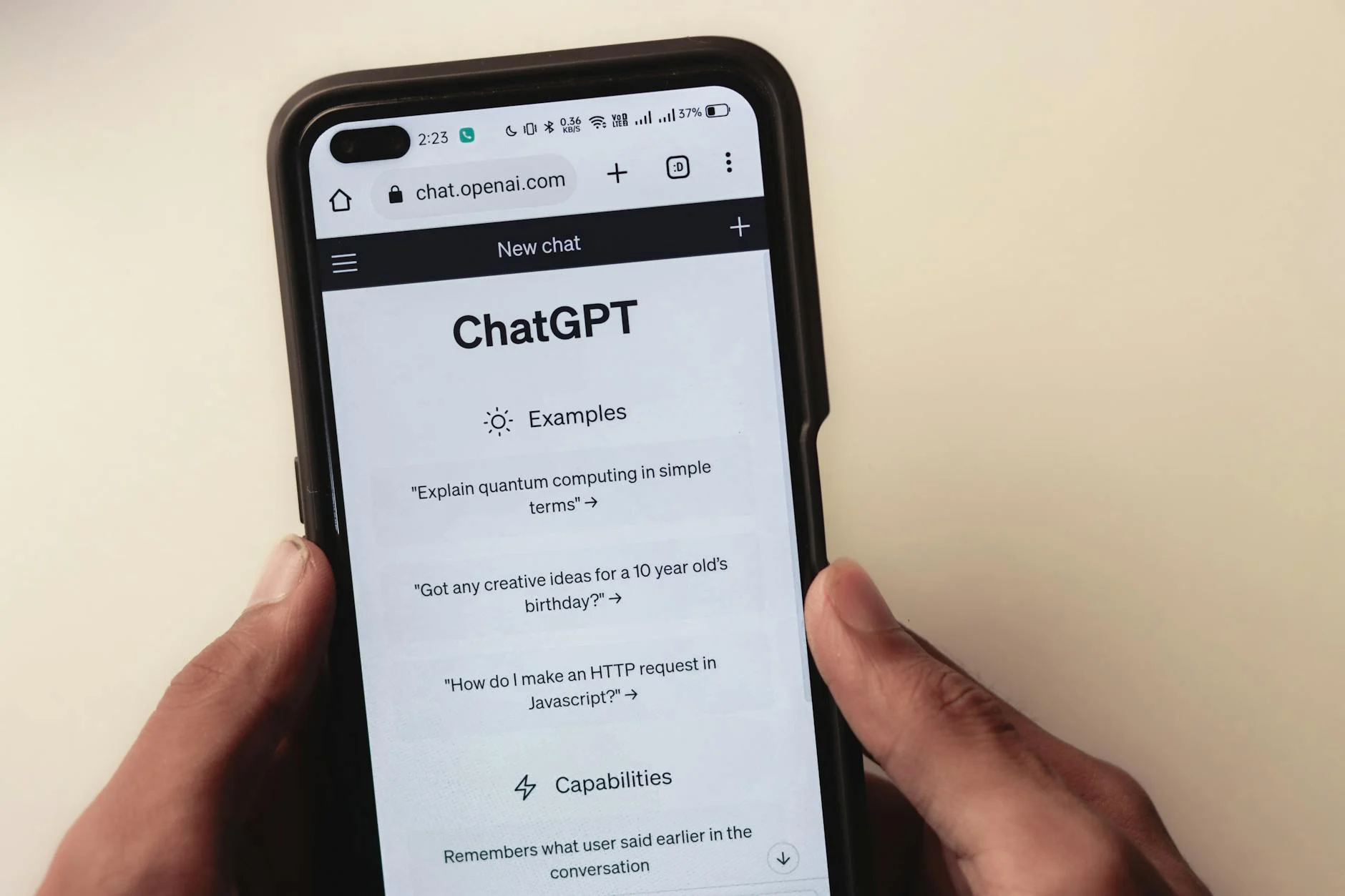
Photo by Google_Mind
How Agentic AI Works
Agentic AI looks simple on the surface, but it runs on a sophisticated blend of planning, feedback, and tool use. Here’s how it all fits together.
Task Decomposition and Planning
Imagine you ask an agentic AI to “plan my weekend trip.” The agent doesn’t just hand you a list. Instead, it splits your request into several smaller jobs:
Checks weather conditions for your destination.
Finds available hotels and compares prices.
Suggests tourist spots or restaurants nearby.
Books transport.
Organizes these into a single, easy-to-read itinerary.
Just like a personal assistant would, agentic AI handles each step in order, relying on clear logic and priorities.
Memory and Feedback Loops
To keep track, agents need memory. They use short-term memory (like remembering what’s already been checked) and long-term memory (like knowing your travel preferences or allergies). If a step fails—for example, a hotel is full—the agent quickly adapts, looks for other hotels, and updates the plan.
These feedback loops mean the AI isn’t just following orders. It’s learning from each action and reshaping its next move. This flexibility unlocks more reliable and useful results.
Read about the importance of memory and planning at Cloud Google’s resource on AI agents.
Using External Tools and APIs
Agentic AI is powerful because it can tap into external services. Using APIs (application programming interfaces), it interacts with:
Calendars and contacts.
Online search engines and knowledge bases.
Code interpreters and calculators.
Email clients or chat apps.
For example, if you need to find the next open doctor’s appointment, the AI can log into your online portal, search for availability, book the best time, and send you a reminder.
Combining tool use with planning allows agents to work across different domains—making them practical digital helpers.
See more examples of agentic tools in action on this guide from Matillion.
Real-World Examples and Benefits
Agentic AI is already changing the way people handle digital tasks. Here are a few easy-to-follow scenarios.
Personal Assistant That Schedules Meetings
You ask, “Find a good time for my team meeting this week.”
The agent checks everyone’s calendars.
It proposes two possible slots.
If someone declines one, the agent quickly finds another and keeps the others in the loop.
Once confirmed, it sends out calendar invites and updates each participant.
This minimizes annoying email threads and frees up your day.
Research and Coding Helpers
Suppose you’re writing a report and need recent research on climate change.
The agent searches top journals.
It pulls out key points and organizes them.
You ask for a summary, and it writes one.
Next, you need numbers analyzed. The agent writes a code snippet, runs it, and displays the results.
This sequence means you don’t need to copy-paste between search, summaries, and code tools.
Why Tool Integration Boosts Effectiveness
Agentic AI systems that mix memory, step-by-step planning, and tool use solve more problems with fewer commands. Instead of “babysitting” your assistant, you get smooth, reliable results, which is what people really want.
A strong agent doesn’t just take notes or answer questions. It solves, adapts, and delivers—giving you time to focus on deeper thinking.
Conclusion
Agentic AI marks a step forward for digital assistants. It’s not just about quick answers—it’s about real action, initiative, and follow-through. With built-in planning, memory, and tool use, agentic systems can tackle tasks from meetings to research, making life easier and more productive.
Want to see this technology in action? Try out an agentic AI demo when you spot one, or keep an eye on popular digital tools as smart assistants become more proactive and helpful. The future of AI means getting things done, not just answered. For more in-depth reading, check out IBM’s guide on agentic AI or Google’s resource on AI agents.

Join Ranvijay on Peerlist!
Join amazing folks like Ranvijay and thousands of other builders on Peerlist.
0
1
0