

Uber vs Lyft: Early Competitive Analysis Approaches
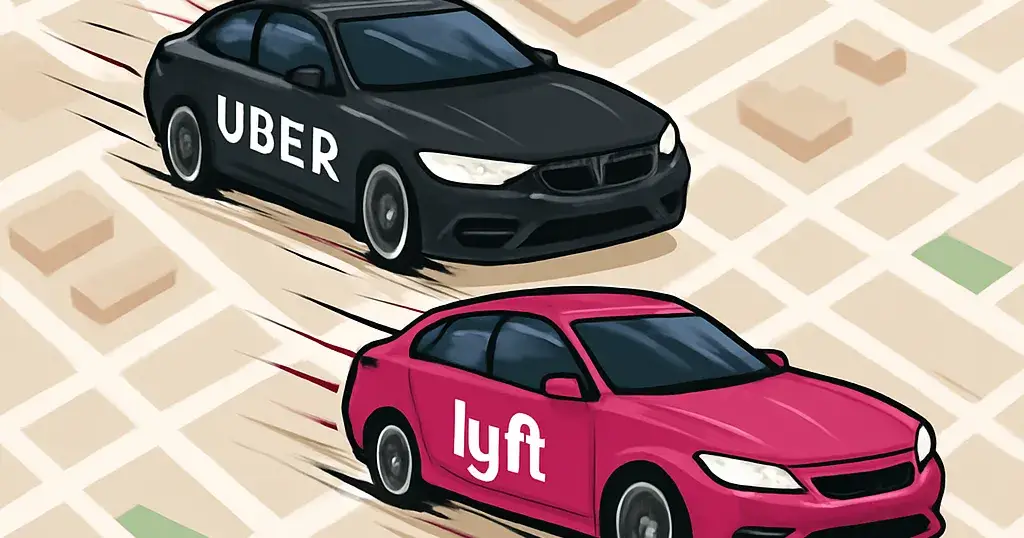
Both Uber and Lyft revolutionized urban mobility, but their early approaches to competition and market analysis were strikingly different. Understanding their strategies gives deep insight into how startups can build – or fend off – category-defining rivals.
Uber’s Early Approach: Aggression, Speed, and Market Engineering
Uber entered the market with an aggressive, data-driven focus on dominating as many cities as quickly as possible.
Playbook: Uber analyzed competitors and taxi industry weaknesses, then moved fast to exploit regulatory loopholes and consumer frustration.
Tactics: Tactics like “surge pricing” were shaped by continuous market research and iteration, ensuring Uber’s service remained available and competitive even during peak demand.
Competitive Intel: Uber went so far as to analyze driver loyalties with tech like the ‘Hell’ program, targeting dual-platform drivers and poaching them from Lyft.
Dark Methods: In some cities, Uber was accused of interfering with Lyft operations by booking and cancelling rides en masse, directly disrupting competitor service delivery.
Global Perspective: Uber analyzed international competitors, adapted strategies per region, and wasn’t afraid of controversial local battles to become the first mover.
Lyft’s Early Approach: Community, Culture, and Focused Targeting
Lyft took a more targeted and community-centric approach compared to Uber’s blitzkrieg expansion.
Playbook: Lyft focused on building a friendlier brand and analyzing how to differentiate on culture and rider experience.
Regional Focus: Lyft’s competitive analysis zeroed in on U.S. urban cores, avoiding Uber’s high-risk, expensive international expansions early on.
Brand Positioning: Lyft’s market research found opportunity in customer loyalty—positioning itself as more community-driven and driver-friendly than Uber.
Product Localization: Lyft was less aggressive in international markets, investing minimally in local competitor analysis, which ultimately constrained its opportunity to scale overseas.
Operational Efficiency: Lyft’s strategy analysis highlighted profitability and operational focus over blitz-scaling at any cost.
Lessons for Product Builders
Deep, objective competitive analysis (not just benchmarking, but true stakeholder, product, and regulatory research) drives both defensive and offensive strategy.
Aggressive expansion (Uber) can drive short-term dominance but entails high risk and operational complexity.
Focused, differentiated experience (Lyft) enables loyalty and efficiency, but can limit global growth if not paired with deep competitor insights.
Conclusion
Uber and Lyft won market share with different early competitive analysis approaches: Uber prioritized speed, scale, and ruthless execution on insights, while Lyft doubled down on brand, local focus, and cultivating loyalty. Both show that early competitive analysis isn’t a one-time task—it’s an ongoing weapon for product companies facing evolving rivals.

Join Satyansh on Peerlist!
Join amazing folks like Satyansh and thousands of other builders on Peerlist.
0
7
0