

𝘽𝙪𝙞𝙡𝙙𝙞𝙣𝙜 𝘼𝙄 𝙖𝙜𝙚𝙣𝙩𝙨 𝙞𝙨 𝙖 𝙡𝙤𝙩 𝙡𝙞𝙠𝙚 𝙧𝙚𝙥𝙡𝙖𝙘𝙞𝙣𝙜 𝙖 𝙙𝙤𝙤𝙧𝙢𝙖𝙣 𝙬𝙞𝙩𝙝 𝙖𝙪𝙩𝙤𝙢𝙖𝙩𝙚𝙙 𝙙𝙤𝙤𝙧𝙨 - 𝙖𝙣𝙙 𝙬𝙝𝙮 𝙩𝙝𝙖𝙩 𝙘𝙖𝙣 𝙗𝙚 𝙖 𝙥𝙧𝙤𝙗𝙡𝙚𝙢 ?
The Doorman Fallacy and its impact on the AI Native world.
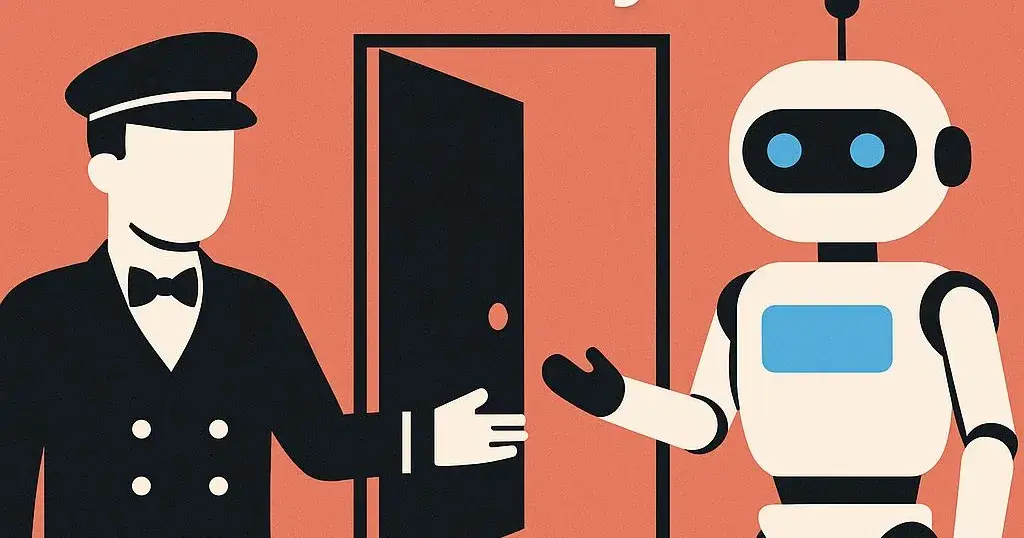
𝘽𝙪𝙞𝙡𝙙𝙞𝙣𝙜 𝘼𝙄 𝙖𝙜𝙚𝙣𝙩𝙨 𝙞𝙨 𝙖 𝙡𝙤𝙩 𝙡𝙞𝙠𝙚 𝙧𝙚𝙥𝙡𝙖𝙘𝙞𝙣𝙜 𝙖 𝙙𝙤𝙤𝙧𝙢𝙖𝙣 𝙬𝙞𝙩𝙝 𝙖𝙪𝙩𝙤𝙢𝙖𝙩𝙚𝙙 𝙙𝙤𝙤𝙧𝙨 - 𝙖𝙣𝙙 𝙬𝙝𝙮 𝙩𝙝𝙖𝙩 𝙘𝙖𝙣 𝙗𝙚 𝙖 𝙥𝙧𝙤𝙗𝙡𝙚𝙢 ?
I was reading about hotel innovations from the early 2000s and came across something fascinating.
Back then, consulting firms pitched hotel chains on a seemingly obvious cost-saving measure: replace all those doormen working shifts with a one-time investment in automatic doors.
Sounds logical, right? Install the door, cut the recurring salary costs.
But they completely missed what is now known as 𝙏𝙝𝙚 𝘿𝙤𝙤𝙧𝙢𝙖𝙣 𝙁𝙖𝙡𝙡𝙖𝙘𝙮.
A doorman doesn't just open doors. They're the first line of security, they greet guests by name, handle luggage, give directions, flag down taxis, and read subtle social cues about who belongs and who doesn't.
If you build a robot that just opens the door, you've missed the point.
I see this same mistake happening as we rush into building AI agents with dreams of full automation. We're oversimplifying complex roles.
The problem? We confuse "𝙣𝙖𝙧𝙧𝙤𝙬 𝙩𝙖𝙨𝙠𝙨" with "𝙣𝙖𝙧𝙧𝙤𝙬 𝙥𝙧𝙤𝙗𝙡𝙚𝙢𝙨".
But real world is messy, contextual, and filled with exceptions. This requires us to move with caution.
Here's how I think, we can avoid the Doorman Fallacy in AI :
1️⃣ Map the invisible work, not just the obvious tasks. What are all the things that happen around the core function?
2️⃣ Remember that humans and jobs aren't APIs. They adapt constantly and handle exceptions intuitively.
3️⃣ Start with augmentation before automation. Let AI tools learn alongside humans before trying to replace them.

Join Shikhar on Peerlist!
Join amazing folks like Shikhar and thousands of other builders on Peerlist.
0
3
0