

Virtual interviews and its costs
Trust is the baseline behavior to protect an orgs reputation
A person in linkedin wrote this:
I rarely lose my composure and over the years I have trained myself a lot to not be impulsive but today, I had to draw a line.I was interviewing with XXXXX company for an AI role over Microsoft Teams. My camera was on throughout. The interviewer kept his camera off I didn’t question it.The conversation was going fine, until mid-discussion he abruptly asked:“What are you reading from the left of your screen?” Before I could even respond, he added: “You’ve kept a virtual background so you can read something while answering, right?”I was stunned. I instantly removed the Teams background, tilted my camera to the left, and showed what was actually there: just a watch and charger.That moment felt deeply insulting. So I chose to end the interview right there. May be I over reacted but at that point of time I just felt utterly dis-respectedWhat hurt more than the accusation was the disregard for the years of work, credibility, and self-discipline I’ve built. Yes, I could’ve handled it more calmly and I usually do. But sometimes, when your integrity is questioned in such a careless way, walking away feels like the only respectful thing to do.On a lighter note maybe he assumed I’m such an AI person that I’ve built a secret chip answering questions from the left side of my screen
Interview cheating ranges from hidden notes. 2 computers to AI assistance(new phenomena). Verifying authenticity is needed, but how to do it without destroying the TRUST /BRAND value.
your choice might be false
Many hiring managers fall into a false dichotomy:
1. be naive and get exploited
2. be suspicious and catch cheaters.
It leads them to a paradox. the more aggressively you tune to find deception, the more genuine talent you repel.
The aggressive methods might alienate more honest candidates for every cheater caught. When losing a quality senior hire costs ₹5-15lakhs in recruitment and in addition the opportunity costs, preventing one bad hire might saves atleast 3-10 lakhs, the economics favor measured approaches.
its a spectrum
Destructive Suspicion operates from guilt-first assumptions:
"What are you reading from?" (accusatory) - which happened in the above case
Surprise confrontations mid-interview - (I have made this mistake in 2016 with a candidate)
Character assassination over behavior observation
Smart Vigilance maintains dignity while ensuring integrity:
For fairness, I'll need to see your workspace briefly - All online cloud certifications do this as a SOP
Pre-announced, standardized environment checks
Curious inquiry: "Help me understand your setup"
compound effect
Non smart detection methods create a damage that has cascading effects
Quality candidates avoid companies known for hostile interviews
Word-of-mouth reduces applicant pool quality - watch glassdoor and other online platforms
Only desperate candidates tolerate aggressive screening
This reinforces beliefs that "everyone cheats"
Detection becomes even more hostile and lead to getting reported like the above in linkedin.
respectful vigilance:
Prevents actual cheaters through systematic processes
Preserves candidate experience and company reputation because they are clearly told about the process
Maintains the psychological safety needed for accurate assessment
Builds long-term talent pipeline trust
practical approach
Before the interview: Set clear expectations about verification processes
During assessment: Use curious language ("Can you show me...") rather than accusations
If concerns arise: address the behavior systematically, not the character
The intent is not to eliminate all risk. There will alway be exceptions. :) it is to minimize false positives while preventing/spotting genuine issues. Companies that master this balance gain competitive advantage in talent acquisition. You can get good candidates and protect the brand
examples:
Its better to risk one questionable hire than guarantee losing multiple excellent candidates through paranoid processes.
The best verification is invisible to honest candidates and obvious to those who want to game. It is systematic, respectful, and focused on process integrity rather than judgment on the person on the spot.
Give them the belief they are being trusted. One wrong accustation can get your reputation damaged. use curious language.
The COIN Method:
Context: Acknowledge the situation
Observation: State what you see
Inquiry: Ask for clarification
Next steps: Explain what you need
suspected note-reading: "I want to ensure fairness for all candidates. I've noticed your gaze moving off-camera several times. Could you help me understand your workspace setup? I'd like to see your environment briefly if that's okay."
unusual pauses: "I notice you're taking some time to think, which is completely fine. To maintain consistency across interviews, could you walk me through your thought process as you work through this?"
technical setup concerns: "For our assessment to be accurate, I need to understand your technical environment. Could you show me your screen setup and any applications you have open?"
focus on Process, not Integrity
the process requires... (not I suspect you...)
help me understand... (not explain why you...)
positive intent
always assume the candidate has a good will explanation first.
common innocent cases
many monitors for work setup
anxious habits of looking around
Example : I notice some movement on your side. Is everything ok? is there any technical issues or distractions I should be aware of?
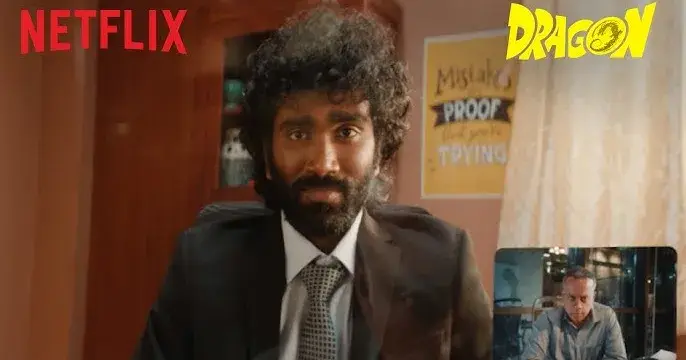
Imager reference: tamil movie DRAGON where the hero uses a friend to answer all the interview questions and clear the interviews.
Join Radhakrishnan on Peerlist!
Join amazing folks like Radhakrishnan and thousands of other builders on Peerlist.
0
8
1