

How ChatGPT Killed n8n and Zapier Overnight
OpenAI’s Agent Builder just changed automation forever. Your old workflows are already dead, and here is what you need to know right now.
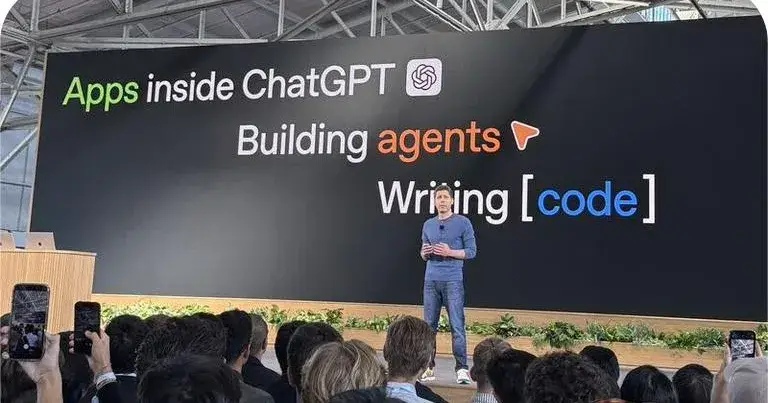
Workflow automation has always fascinated me.
I have spent a lot of time exploring how people automate their work and boost productivity.
Recently, OpenAI’s ChatGPT Agent Builder caught my attention, and honestly, it feels like a major shift is happening in the world of automation.
Let’s break down what’s changing and why it matters.
The Old Way: n8n and Zapier
If you have ever tried to automate tasks, you probably know about n8n and Zapier. These platforms let you connect apps and set up workflows to handle things like posting on social media, updating spreadsheets, or sending reminders.
The appeal is clear: you do not need to be a programmer to get started.
But there are some real challenges.
The interfaces can get complicated, especially as your workflows grow.
Customizing things beyond the basics often means reading through documentation or paying for extra features.
Sometimes, it feels like you spend more time setting up the automation than actually saving time.
ChatGPT’s Agent Builder: A New Approach
When I watched the launch video for ChatGPT’s Agent Builder, a few things stood out.
OpenAI says, “This new AI agent builder enables users to create and publish custom AI agents and workflows on their own websites or tools.”
That means you can build, test, and optimize your agents right away. No waiting, no complicated setup.
You can define what kind of data your agent needs, like text or numbers, and connect it to over 8,000 apps through Zapier.
The integration is deep, and OpenAI highlights that “this integration allows for advanced functionalities and workflows that are otherwise limited.”
It is not just about connecting apps; it is about making the AI do the heavy lifting.
One thing I found interesting is how easy it is to create agents for specific tasks.
For example, you can build a YouTube title generator or a research bot for your website. The AI learns from your instructions and can be fine-tuned for accuracy. There are also built-in guardrails to keep things safe and reliable.
Why This Changes Everything
The biggest difference is how you interact with automation. Instead of dragging and dropping blocks or setting up triggers, you just talk to ChatGPT. You describe what you want, and the agent figures out the steps. It feels more natural and less technical.
ChatGPT agents can classify what you are asking, route queries to the right place, and even improve over time based on how they are used.
You can monitor and manage everything from a single dashboard.
If you want to put your agent behind a paywall or track its performance, it is all built in.
OpenAI also makes it easy to embed these agents on your website or app. You do not need to be a developer to get started.
Compared to the usual setup in n8n or Zapier, it is much more accessible.
Real-World Examples
Here are a few ways people are already using ChatGPT agents:
Content Creation: Tell the agent to generate titles, outlines, or social media posts. You can test and tweak the results instantly.
Customer Support: Set up an agent to answer common questions or route support tickets. It connects directly to your CRM tools.
Data Research: Ask the agent to pull and summarize data from different sources. The results are fast and accurate.
These tasks used to take hours to set up with traditional tools. Now, it is just a conversation and a few clicks.
Looking Ahead
OpenAI is not stopping here.
They are planning more integrations with platforms like Spotify, Canva, and Figma.
In their words, the agent kit “offers a visual workflow builder for developing multi-agent systems.”
This means even more flexibility and teamwork between your favorite tools and AI agents.
The shift is clear. Instead of thinking in terms of triggers and actions, you focus on what you want to achieve.
The AI handles the details.
This is a big step forward for anyone who cares about productivity and automation.
Final Thoughts
ChatGPT’s Agent Builder is not just another tool.
It is a new way to think about automation.
The ability to create smart, customizable agents that connect with thousands of apps, all without complex setup, is a game-changer.
If you are interested in automation, now is the time to pay attention.
The future belongs to AI agents that can learn, adapt, and help you get more done with less effort.
The next question is what happens if Google can call apps.
If you found this article helpful, please like and follow Tanay Vasishtha for more insights on AI, automation, and the future of technology.
Thanks for reading, and stay curious!

Join Tanay on Peerlist!
Join amazing folks like Tanay and thousands of other builders on Peerlist.
4
8
1