

Why ISTQB Still Matters in 2026 (And Why QA Professionals Take It Seriously)
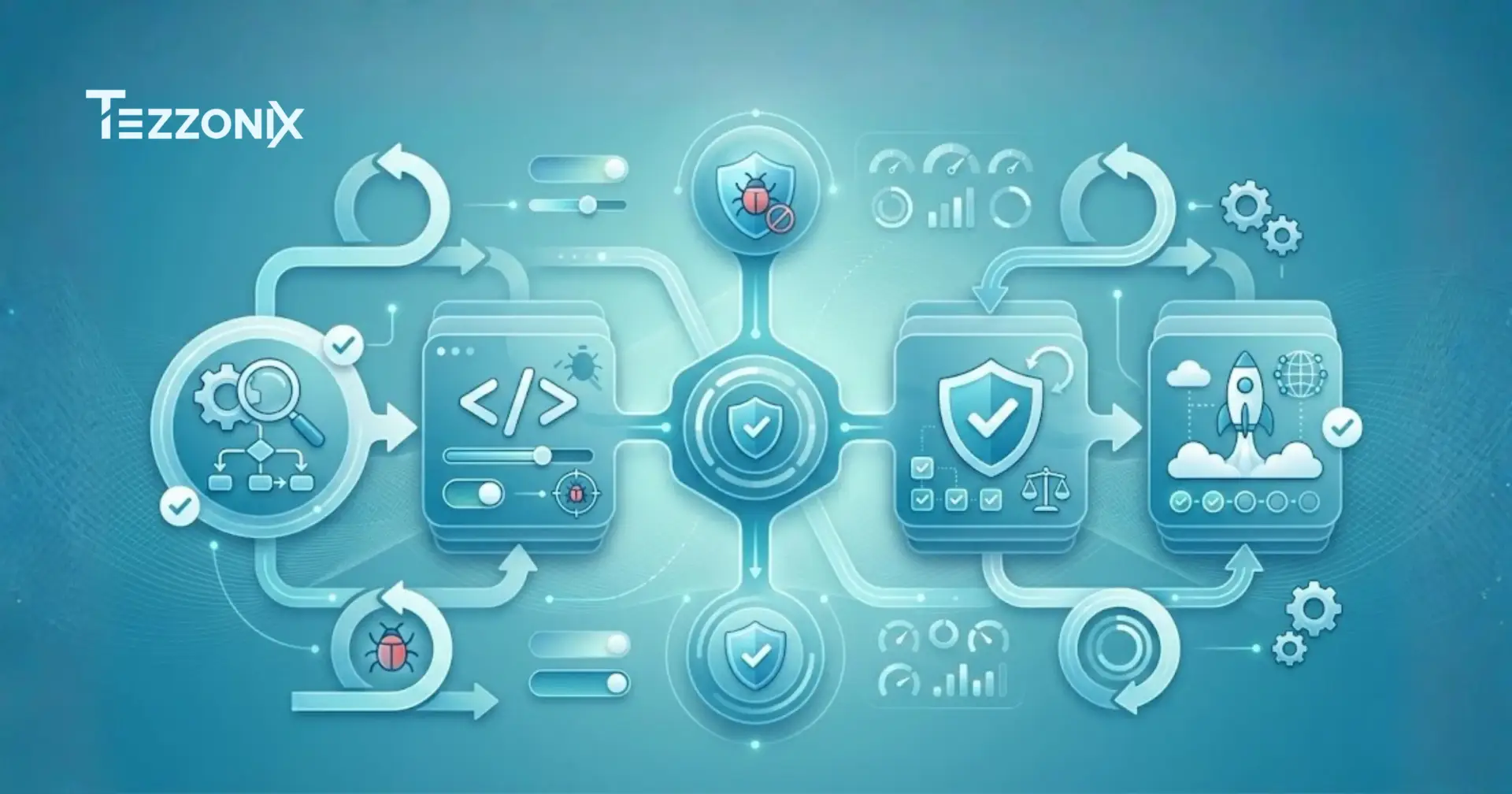
In a world where new tools, frameworks, and AI-driven testing methods appear every year, one certification has quietly remained relevant for decades: ISTQB.
Whether you’re a beginner entering QA or an experienced tester looking to formalize your knowledge, ISTQB continues to be a strong career signal in 2026.
What Is ISTQB?
ISTQB (International Software Testing Qualifications Board) is a global, non-profit organization that defines standardized certifications for software testing professionals. Its goal is simple but powerful: create a common language, structure, and benchmark for quality assurance across the industry.
Unlike tool-specific certifications, ISTQB focuses on testing principles, test design techniques, test lifecycle understanding, and quality thinking — skills that remain relevant regardless of technology stack.
Why ISTQB Is Still Important
The biggest misconception about ISTQB is that it’s “just theory.” In reality, it builds the mental framework that good testers rely on every day.
ISTQB helps professionals:
Understand why testing is done, not just how
Design better test cases using structured techniques
Communicate effectively with developers, product managers, and stakeholders
Apply consistent testing practices across Agile, DevOps, and hybrid environments
This foundation becomes especially valuable as testing expands into areas like AI systems, automation strategy, and continuous delivery.
Global Recognition Still Matters
One of ISTQB’s strongest advantages is global acceptance. It’s recognized across countries, companies, and industries, making it useful for:
Job transitions
International roles
Consulting and freelance work
Career credibility when switching domains
For recruiters and hiring managers, ISTQB often acts as a baseline filter, especially for junior and mid-level QA roles.
Where Structured Training Makes a Difference
Passing the ISTQB exam isn’t about memorization alone. It requires clarity around concepts like test levels, test types, defect management, and risk-based testing.
This is where structured learning platforms like Tezzonix come in, offering ISTQB-aligned training that focuses on:
Syllabus-based learning
Real-world testing scenarios
Practical understanding beyond exam questions
The goal isn’t just to pass the certification, but to think like a tester.
Final Thought
Tools will change. Frameworks will evolve. AI will reshape testing workflows.
But the core principles of quality, critical thinking, risk analysis, and structured validation, remain constant. That’s why ISTQB continues to matter, and why professionals who understand its value stay relevant longer in the QA industry.
Visit: www.tezzonix.com for more information.
Join Anoop on Peerlist!
Join amazing folks like Anoop and thousands of other builders on Peerlist.
0
2
0