

Why are user-flows necessary? Lessons learned from a startup journey!
Ever felt lost designing without a user flow? Me too. Here's why user flows matter and what I learned from designing in a fast-paced…

After two months of job searching, I joined an early-stage startup as a founding designer. I had actively posted on LinkedIn throughout my search, which ultimately led to the founder reaching out to me — proof that networking can truly open doors! Now, a month into this role, I’ve faced some new challenges, especially since my previous experience didn’t involve real-world products.
The most significant hurdle? User flows.
The app I’m working on was already launched and had a user base of over 5,000. Screens and flows were already set, designed by another designer who’d left before I joined. However, there was no structured user flow document to guide me. This lack of structure made it hard to fully understand the app’s workings and made it difficult to contribute effectively.
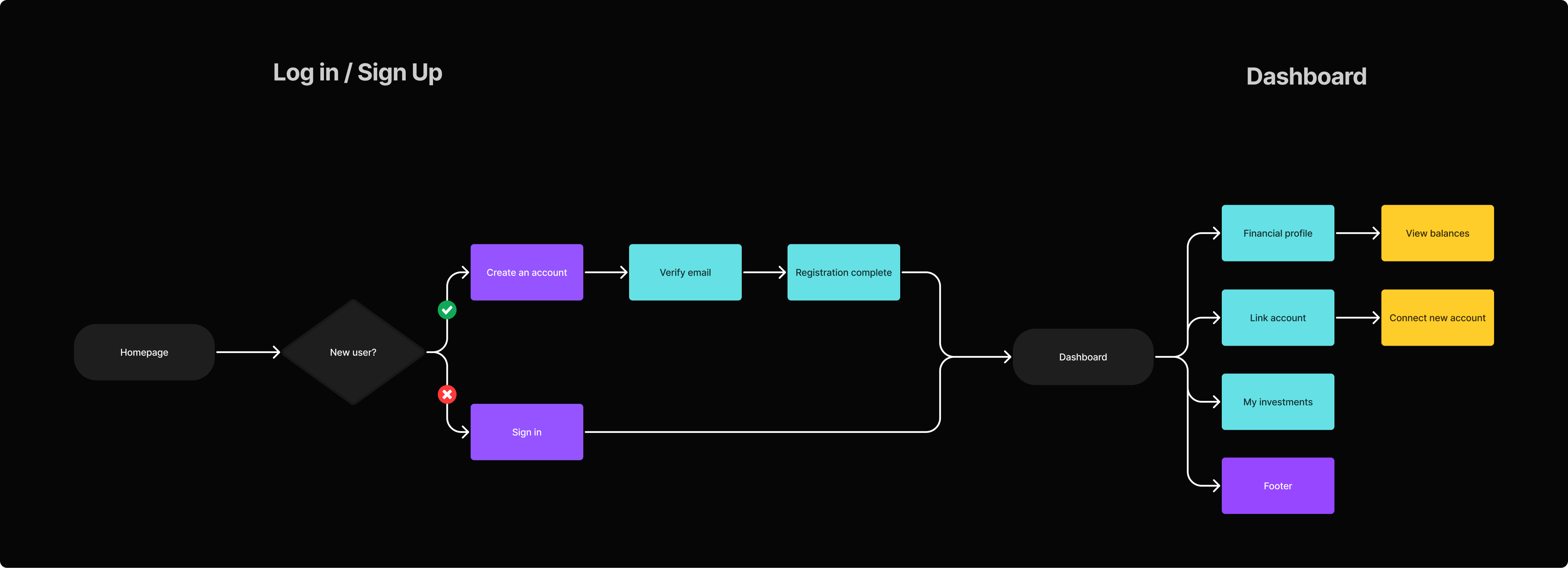
What are user flows and why they matter?
Defining user flows: Think of user flows as a blueprint for the app. The overall journey of the user from onboarding to successfully completing his/her tasks.
Why they’re important: Without a clear user flow, design becomes a guessing game. User flows ensure that the experience is seamless, helping designers and developers avoid gaps or inconsistencies that could confuse users or disrupt their journey. They serve as a foundational guide, bringing clarity to the entire product team.
Article on user flow by Interaction design foundation.
The problem with designing without a user flow
The scenario: During a brainstorming session with the founder, we discussed improvements to a particular screen. I quickly realized that I was working without a solid understanding of the app’s existing flow (which, admittedly, I could have researched more thoroughly on my end). I had only been following verbal guidance from the founder, and without a structured flow, I struggled to envision what should come next.
Confusion and frustration: The absence of a documented user flow made it challenging to align on the design. I felt lost and was unsure what I needed to create to maintain the app’s cohesion. This experience showed me how user flows could have clarified my task, reduced miscommunication, and provided a much-needed structure.
How a user flow could have helped?
Clarity for the team: User flows offer a shared understanding of how users move through an app. This clarity would have given both me and the founder a common ground, enabling more focused discussions and smoother decision-making.
Consistency: User flows keep screen transitions logical and user-centric. A well-defined flow minimizes the risk of creating screens that feel out of place or disconnected from the rest of the app.
Reduced rework: Without a user flow, we had to backtrack often, which led to redoing designs and adjusting screens. Having a flow from the start could have streamlined the process, reducing unnecessary rework.
I won’t dive into creating effective user flows, as there are ample articles and tutorials on that topic everywhere on the internet. But I’ll say this: putting time into mapping user flows is well worth the investment. Without one, you’re designing blindly, which can lead to challenges and confusion — as I experienced firsthand.
My learnings on how to work with stakeholder without initial user flows
Communicate with stakeholders: Communication is the key when it comes to working directly with founder and stakeholders without user flows. Ask questions early and often. Regularly sync with stakeholders to understand the app’s objectives and the rationale behind existing screens.
Create mini-flows: In the absence of a full flow, try mapping out mini-flows or wireframes for each feature. These mini-flows can help you understand individual components and how they fit into the larger design (I haven’t even done this too :P)
Stay flexible: In startups, you’ll often create multiple iterations, only to see a lot discarded. Priorities can shift rapidly, and things move fast. By keeping a flexible approach to user flows, you’ll be better equipped to adapt as the product evolves.
Conclusion
Working without a user flow taught me a valuable lesson in the importance of planning. User flows are more than just diagrams — they’re the blueprint that helps designers build intuitive, effective app experiences.
To other designers, especially those stepping into a startup role: prioritize user flows from the start. By taking the time to map out the journey, you’ll save time, reduce confusion, and help create a seamless experience that users will appreciate.

Join Madhav on Peerlist!
Join amazing folks like Madhav and thousands of other builders on Peerlist.
0
3
0