

I Launched My First Book: Digital Footprint for Software Engineers
The thinking behind Digital Footprint for Software Engineers
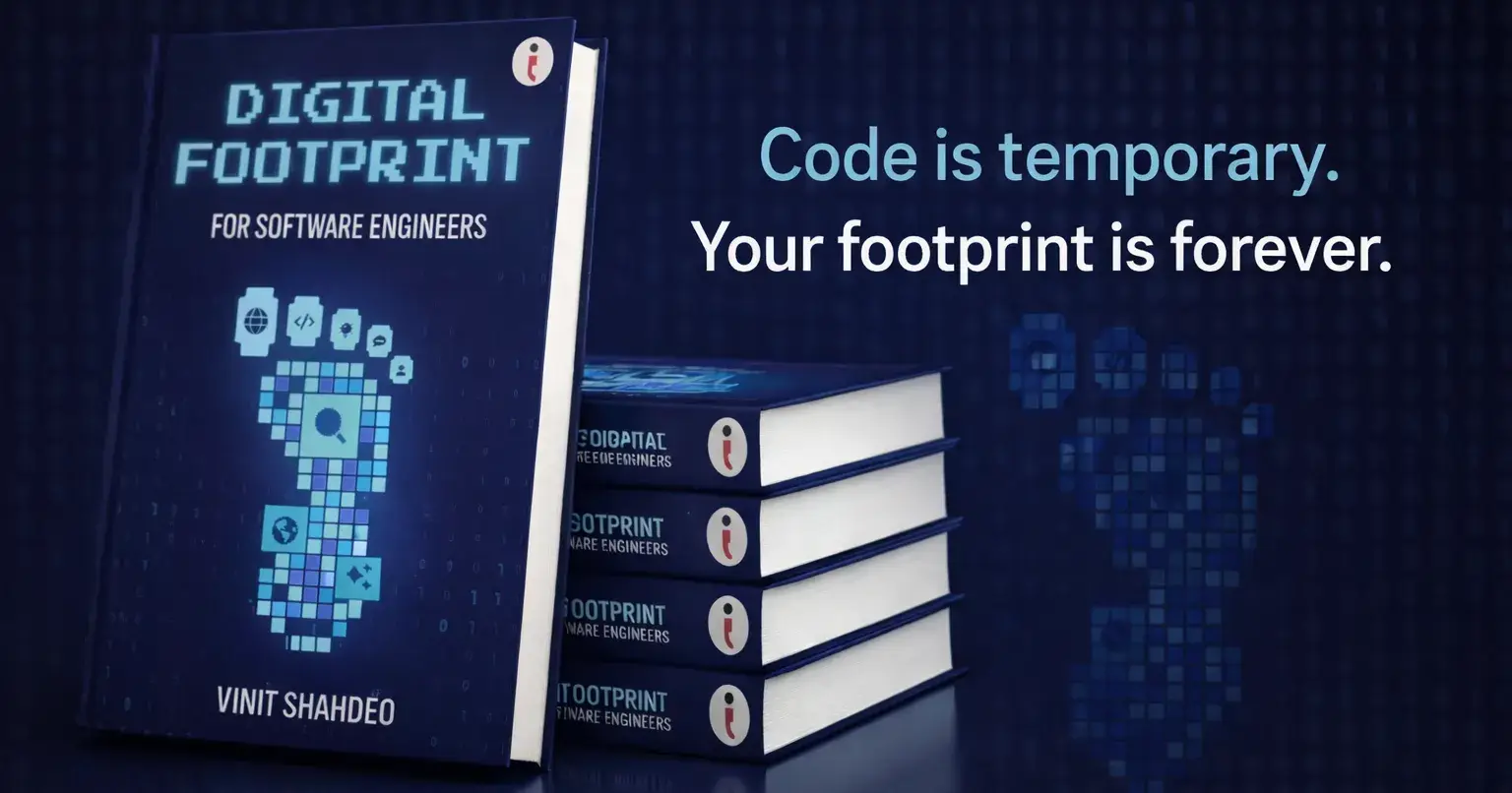
A few years ago, if you Googled my name, you wouldn’t have found much.
I was writing code, shipping features, fixing bugs, learning the hard way—like most engineers do. My work lived inside repositories, internal docs, and team chats. It mattered, but only within a small circle.
Over time, something changed.
As my career progressed, I noticed that opportunities increasingly began before conversations—through search results, profiles, links, and public work. People formed an opinion about me even before we spoke.
That realization stayed with me.
Today, I’m excited (and a little nervous) to share that I’ve launched my first book: Digital Footprint for Software Engineers.
Why this book
This book didn’t come from a desire to “build a personal brand.” It came from observing a pattern.
I’ve worked with incredibly skilled engineers who:
ship solid systems,
mentor others,
solve complex problems,
yet remain largely invisible outside their immediate teams.
At the same time, I saw how a thoughtful digital footprint—GitHub activity, writing, documentation, public problem-solving—quietly opened doors: better conversations, trust, and opportunities.
This book is my attempt to put words, structure, and practical guidance around that idea.
What it’s not about
This isn’t a book about:
becoming an influencer
posting every day
chasing likes or vanity metrics
Instead, it focuses on something simpler and more sustainable: making your work and thinking discoverable—without changing who you are as an engineer.
What the book covers
The book walks through:
what “digital footprint” actually means for engineers
how hiring and trust increasingly start with a Google search
practical ways to leave public signals through GitHub, writing, and profiles
how to document work instead of promoting yourself
common mistakes and misconceptions around visibility
Everything is grounded in real engineering contexts, not marketing advice.
Why I wrote it now
As I moved from individual contributor roles into more senior and leadership positions, I realized that clarity, communication, and context matter as much as code.
This book is also a reflection of my own journey—from being just another GitHub user to becoming more intentional about how my work shows up in the world.
I wish I had this perspective earlier in my career. So I wrote the book I would’ve wanted to read.
Who this book is for
This book is for:
engineering students starting their careers and wondering how to stand out beyond grades,
early- and mid-level engineers who are growing fast but feel invisible outside their teams,
senior engineers and tech leads who want their thinking, experience, and impact to be understood beyond their current role.
Wherever you are in your journey, the goal remains the same: leave behind clear, honest signals of how you build and think.
A quiet launch
This launch isn’t about noise. It’s about starting a conversation.
If you’re an engineer who believes your work should speak for itself—but also wonders why it sometimes doesn’t—this book is for you.
Thank you to everyone who encouraged me to turn my scattered notes into something concrete.
Learn more: digitalfootprintbook.com
A small giveaway 🎁
To mark the launch, I’ll be sharing a few copies of the book as a small thank-you to the community.
If this piece resonated with you, a like or comment will help me identify participants. I’ll randomly select a few to receive a copy.
Before you close this tab
If this book helps even one engineer feel seen for the work they’ve already been doing quietly, it will have done its job. And if you’re still building in silence, consider this a gentle reminder: your work deserves to be discoverable.
— Vinit Shahdeo, another engineer, learning to build in public.

Join Vinit on Peerlist!
Join amazing folks like Vinit and thousands of other builders on Peerlist.
0
3
0