

The Rise of Tangible Creativity in the Age of AI
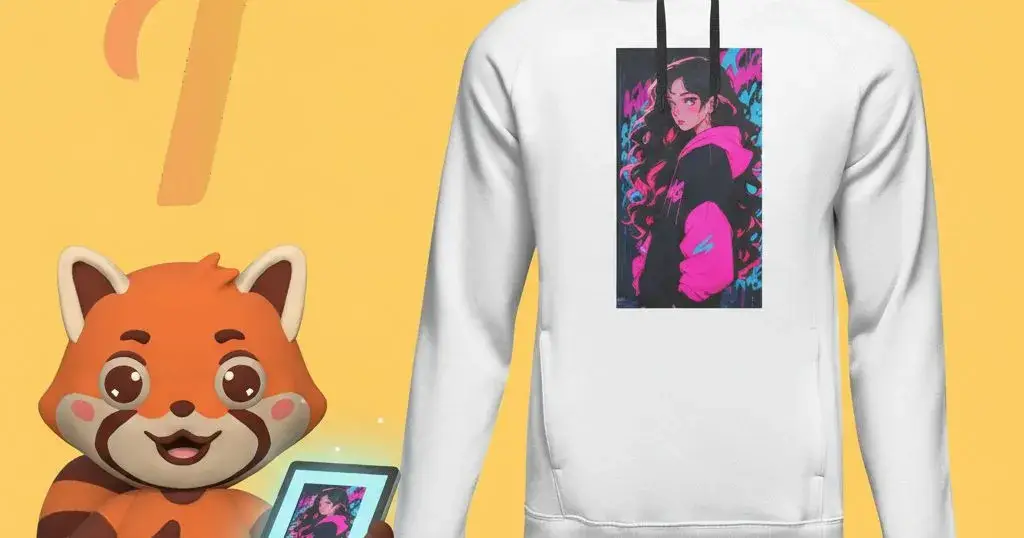
AI has dramatically lowered the barrier to creating digital content. Images, designs, and concepts can now be generated in seconds. But as digital output becomes abundant, a new shift is emerging—creators are looking for ways to make their work feel real again.
This is where tangible creativity comes in.
For builders and creators, ideas no longer end at the screen. There’s growing value in turning digital imagination into physical artifacts—things you can wear, display, gift, or keep. It’s not just about novelty; it’s about ownership and connection.
Platforms like Selftale reflect this shift. By combining AI image generation with print-on-demand and a social creative layer, Selftale enables people to move from a simple prompt to a real-world product without complex workflows. The emphasis isn’t on being a professional designer, but on making creation accessible and expressive.
What’s interesting is how this trend changes the role of tools. Instead of optimizing for maximum output or viral reach, modern creative platforms are starting to optimize for personal meaning. The best tools don’t just help you create more—they help you create something that lasts.
For the Peerlist community—builders, designers, and indie creators—this shift matters. Side projects are becoming more experiential. Personal brands are being shaped by artifacts, not just posts. And creativity is no longer confined to pixels.
As AI continues to evolve, the next wave of innovation won’t be about generating more content. It will be about helping people turn ideas into objects, stories, and experiences they can actually live with. Tools like Selftale are early signals of that future—where imagination doesn’t stop at the prompt, but finds its way into the real world.

Join michalis on Peerlist!
Join amazing folks like michalis and thousands of other builders on Peerlist.
1
4
0