

Why Face Swap Became Visro’s Core: the Story of a Free, Low-Barrier Tool
AI face swap · online face swap tool · deepfake · TikTok face swap trends · AI content creation · generative AI face swap · viral short video · social media tools
Intro — Visro’s positioning
Visro AI has staked out a simple promise: a free, no-barrier online face swap tool that anyone can use. Its site repeatedly touts “no registration required — start swapping faces for free” and says uploaded photos and videos are automatically deleted within 24 hours. The founders remain largely anonymous, but their product focus is clear: serve the huge demand for personalized, entertaining content on social platforms by removing technical friction.
How Visro works — one-click face swapping for everyone
Under the hood, Visro combines modern computer-vision building blocks — face detection, landmark/feature extraction, and style-transfer algorithms — to deliver one-click face swaps. Unlike early deepfake pipelines that needed vast training datasets and technical know-how, Visro emphasizes instant, user-friendly workflows. Upload a source image and a target face, press start, and in seconds you get a realistic composite. That simplicity turns complex generative AI face swap tech into an everyday creator tool.
User experience & creator buzz — “realistic and instant”
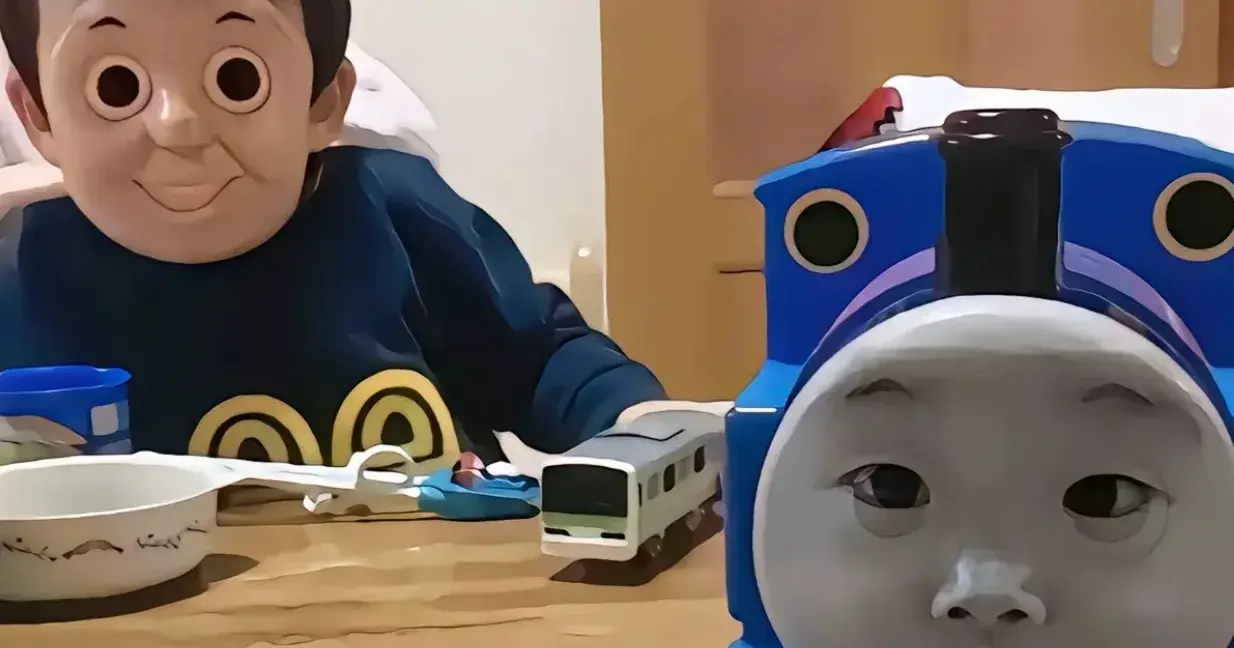
Real users praise Visro for speed and output quality: results arrive in seconds and look surprisingly lifelike, often outpacing older manual editing tools. That accessibility has drawn short-form video creators fast: creators are using face swaps to produce memes, spoof clips, and attention-grabbing promos for TikTok and other platforms. Examples from creator communities show face-swap videos racking up shares and thousands of likes — proof that viral short videos powered by AI face swap can dramatically boost engagement.
Community & ecosystem — where Visro fits in the market
Though Visro’s official channels may still be modest, discussions about face swap workflows thrive across Reddit, WeChat, TikTok and other short-video networks. Unlike integrated filters in apps (e.g., Meitu or Tencent’s in-app features), Visro positions itself as a standalone online face swap tool with greater flexibility and broader template options — a playground for creators who want more freedom to experiment.
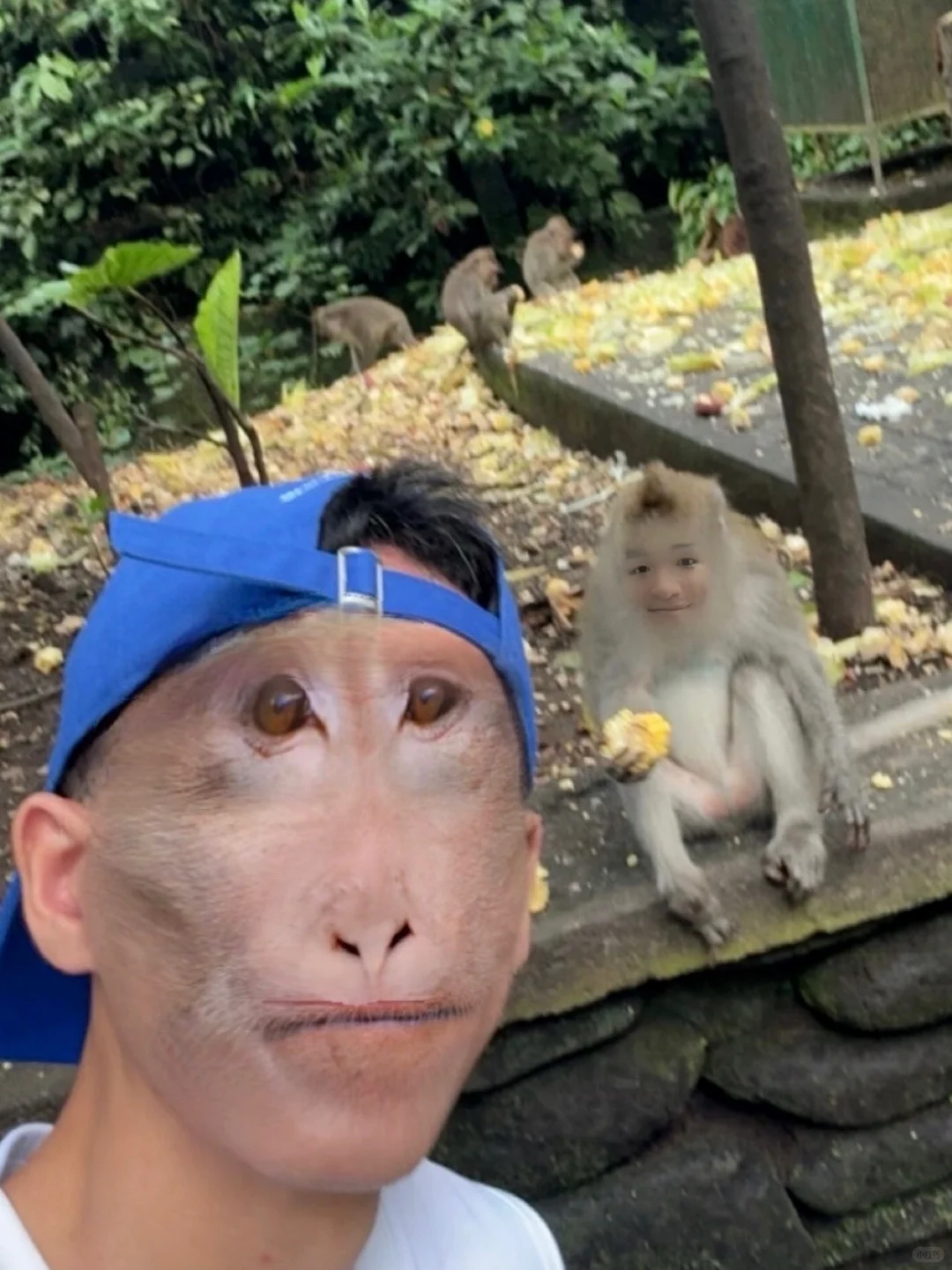
Chinese netizens used Visro AI to swap their faces onto monkeys.
Tech timeline — how face swap went mainstream
Face swap tools evolved quickly over the last decade:
2016: Snapchat popularized real-time face filters.
2017: “Deepfake” entered public discourse via early celebrity swaps.
2018–2019: Open-source toolkits (like DeepFaceLab) improved realism.
2020: Major platforms tightened policies on malicious deepfakes.
2022–2025: Generative AI models slashed technical barriers, enabling instant face swap features for mainstream users — and short-video platforms supercharged trend cycles.
Market research (Lucintel) forecasts the global AI face swap software market to grow at roughly 32.4% CAGR from 2024–2030, driven by social media proliferation and continual demand for AI content creation tools.
Risks, regulation and the road ahead
Making face swap widely available brings opportunity — and responsibility. As the technology improves, regulatory and ethical frameworks are catching up: content platforms and governments are experimenting with rules to limit harmful misuse while allowing creative applications. Expect face swap tools to diversify into more legitimate scenarios (entertainment, AR/VR, advertising) as governance and safeguards mature.
Why Visro matters now
Visro’s timing is strategic: with generative AI mature and market demand peaking (2023–2025), a free + social approach is a fast way to seize attention. By lowering cost and complexity, Visro turns a once-specialized deepfake process into a mainstream creative tool — fueling AI content creation and new short-video virality while occupying a niche between rigid corporate filters and raw developer toolkits.
Visro AI is an accessible gateway to generative face swap creativity. For creators chasing trends like TikTok face swap challenges or anyone curious about AI face editing, Visro demonstrates how far online face swap tools have come — and how quickly they can reshape social media storytelling.

Join Kiara on Peerlist!
Join amazing folks like Kiara and thousands of other builders on Peerlist.
0
4
1