

I Wrote a 30-Second Text, and AI Turned It into a Full Story Video
A hands-on test showing how simple text can generate multi-scene, emotion-driven narrative videos without prompts or editing.
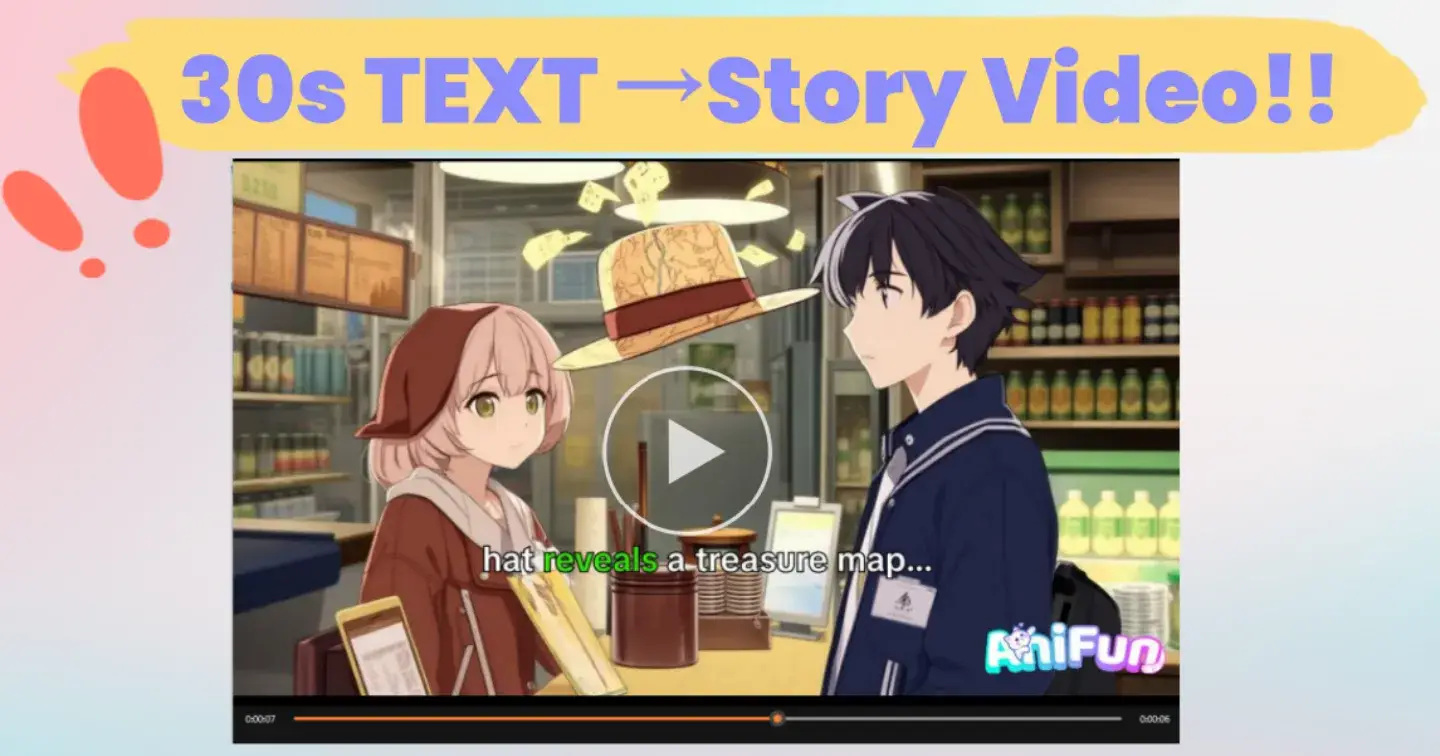
A few days ago, I tried something that felt a bit ridiculous:
I pasted a short paragraph—literally something I typed half-asleep—into a “ai anime video generator” feature just to see if it would break.
Spoiler: it didn’t.
It actually made a pretty decent video.
I didn’t plan to write an article about it, but the result was weirdly impressive enough that here we are.
Why I Tried This in the First Place
I make content pretty often, but I’m honestly terrible at sticking to a consistent production routine.
Especially when it comes to story videos—those things eat time like crazy.
Normally, making a story video means:
Write a script
Think about shots
Maybe draw something
Maybe animate
Definitely edit
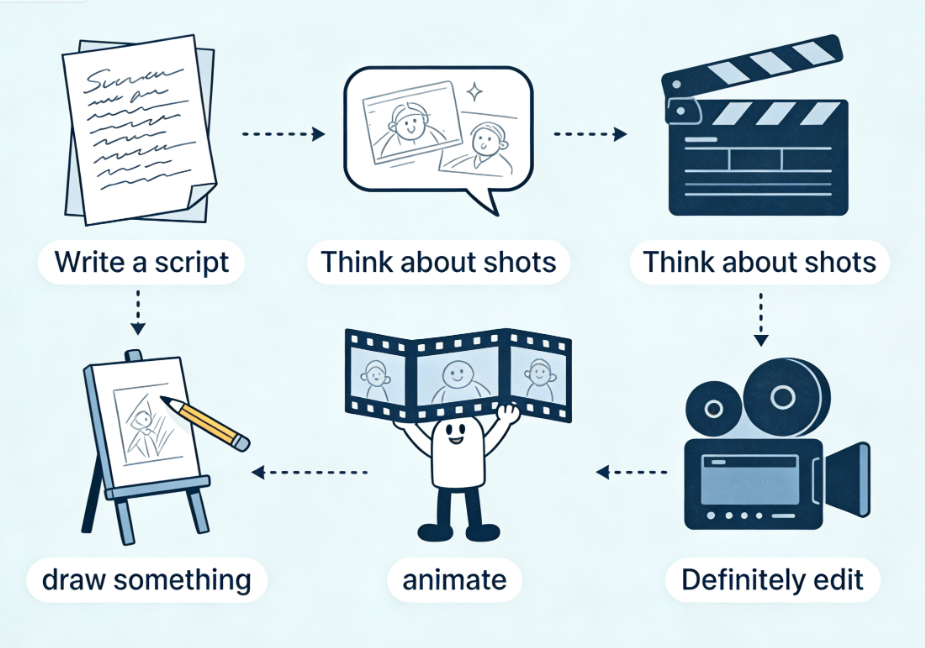
And by the time you're halfway through, the original “inspiration” is already on vacation in another dimension.
So the idea of “just paste text and get a video” sounded like a gimmick…
but a tempting one.
The Extremely Simple Text I Used
To keep things fair, I didn’t try to help the AI at all.
Here’s exactly what I wrote:
“A glowing orb hit night-shift clerk Aaron, giving him the power to see objects’ past lives. But when a customer’s hat reveals a treasure map, Arin learns the map isn’t hiding—it's hunting him.”
No prompts.
No style tags.
No “camera angle: top-down 4K anamorphic wide shot.”
Just a tiny story fragment.
The Process (If You Can Even Call It That)
It went like this:
Paste text
Pick a style
Click generate
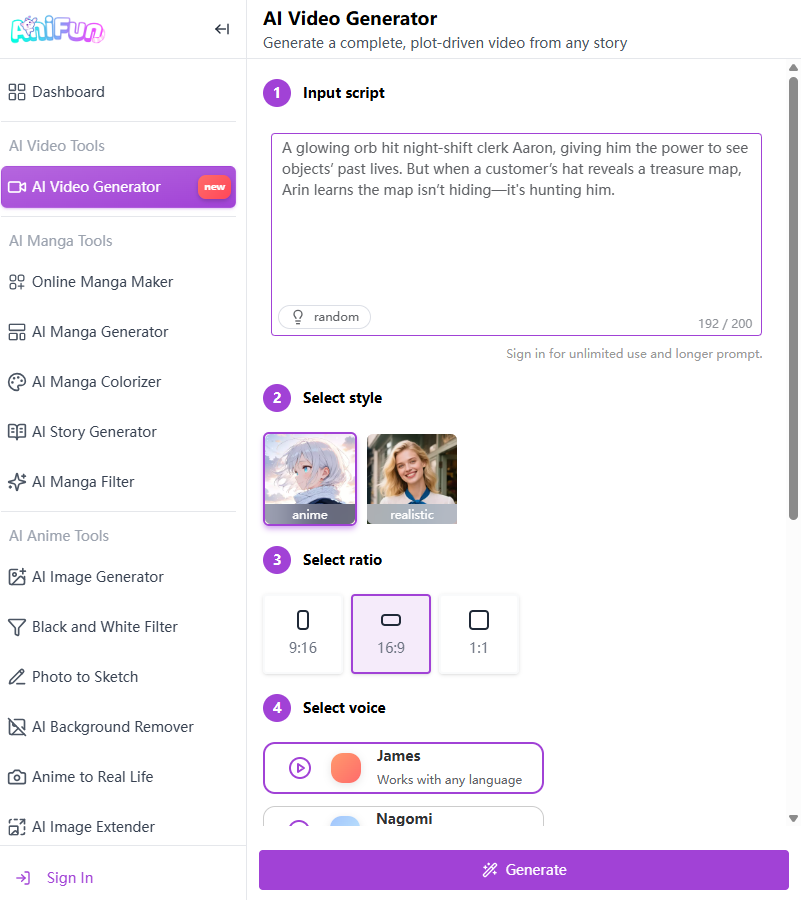
And about half a minute later, it said “done.”
I honestly expected it to fall apart completely.
Like Arin suddenly turning into a different guy halfway through.
Or the “glowing orb” becoming a floating toaster.
Or the treasure map looking like random scribbles.
But none of that happened—it was surprisingly coherent.
The Results That Made Me Raise an Eyebrow
A few things genuinely surprised me:
• It created multiple shots… even though I never described any.
Somehow, the model understood:
when to push in on Aaron after the orb hits him
when to cut to his reaction as he touches an object
when to reveal the hat’s “past life”
when to widen the shot to show something watching him from the aisle
I didn’t describe the camera work, the pacing, or even the transitions.
But it still pieced together a sequence that felt intentional—almost like a mini trailer.
• The character stayed consistent
Same Aaron.
Same night-shift uniform.
Same tired, slightly-over-it expression.
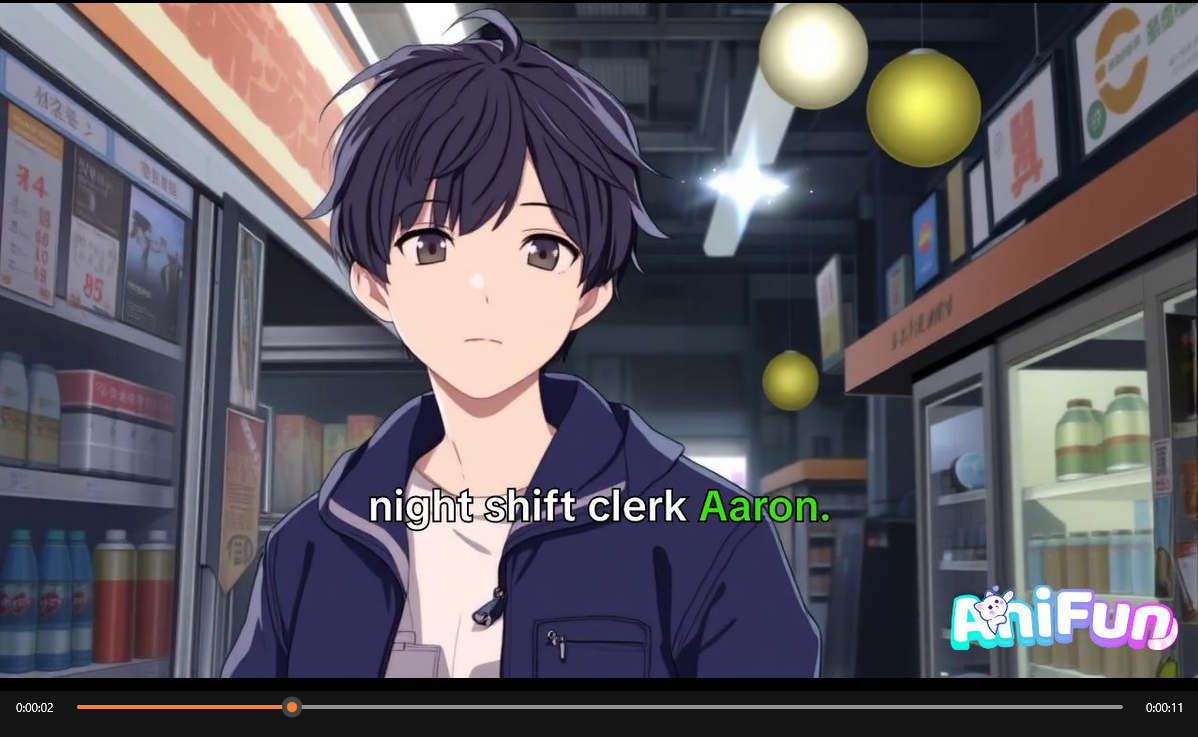
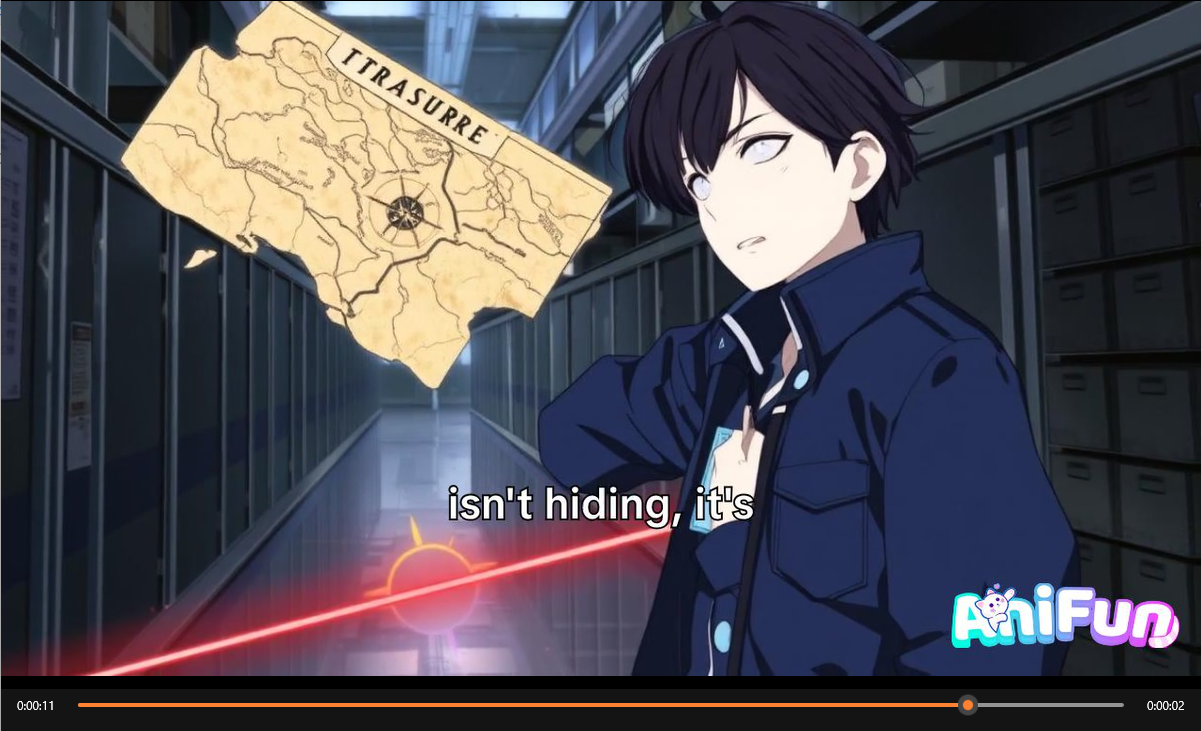
Honestly, this is the part I expected to fall apart, because consistency is usually where AI starts drifting—new face, new outfit, suddenly a different person.
But it held the character through every scene.
• It got the emotional tone right
I never wrote anything like “mysterious,” “uneasy,” or “supernatural,”
but the video leaned right into that vibe.
Dim aisles.
Neon reflections.
A sense that something is lurking just outside the frame.
A lot of AI tools miss emotional cues completely,
but this one somehow picked up the tension in the story and amplified it.
Who This Would Actually Help
After testing it, I can clearly see a few groups who’ll love this:
Short video creators who want quick storytelling
Writers who want a visual teaser for a chapter
Comic/manga artists who need rough storyboards
Indie game devs who want mood pieces
Anyone who has ideas faster than they can produce videos
Basically, if your brain moves faster than your hands, this helps.
A Quick (Non-Technical) Guess at Why It Works
I’m not going to pretend I know the architecture behind this thing,
but it feels like it does a few smart things:
breaks text into scenes
builds a mental model of the character
guesses the vibe
generates shots that support that vibe
Not magic, but close enough for someone like me who can’t draw.
Final Thoughts
This wasn’t supposed to be a serious test.
I just wanted to see what would happen.
But now I’m kind of convinced that an AI anime video generator is going to become a normal part of the creative workflow, especially for solo creators.
You give it the idea.
It handles the heavy lifting.
And that feels… surprisingly liberating.

Join yukie on Peerlist!
Join amazing folks like yukie and thousands of other builders on Peerlist.
0
1
0