

Launching a Product Is Like Being an Insect in a Glass Bottle
There’s a popular idea on social media that if you launch a polished product, you’ve already failed. That shipping fast almost recklessly is the only way to do things right.
From my experience, that idea is partly true.
Before you ship, most of what you’re building lives in your head. It’s a model of the world you assume is correct. Once the product goes live, reality pushes back. Patterns emerge. Some confirm your assumptions. Many don’t. That tension having your assumptions challenged is where real progress happens.
But there’s a counterpoint people gloss over: if you ship too early, the feedback itself can be misleading. You may not be hearing what’s wrong with your idea you may just be hearing what’s missing. That’s how teams end up chasing noise instead of signal.
So the question becomes: how do you decide what needs to exist before you ship? This is usually answered with “build an MVP.” But that doesn’t really solve the problem. It just renames it.
Here’s the mental model I use.
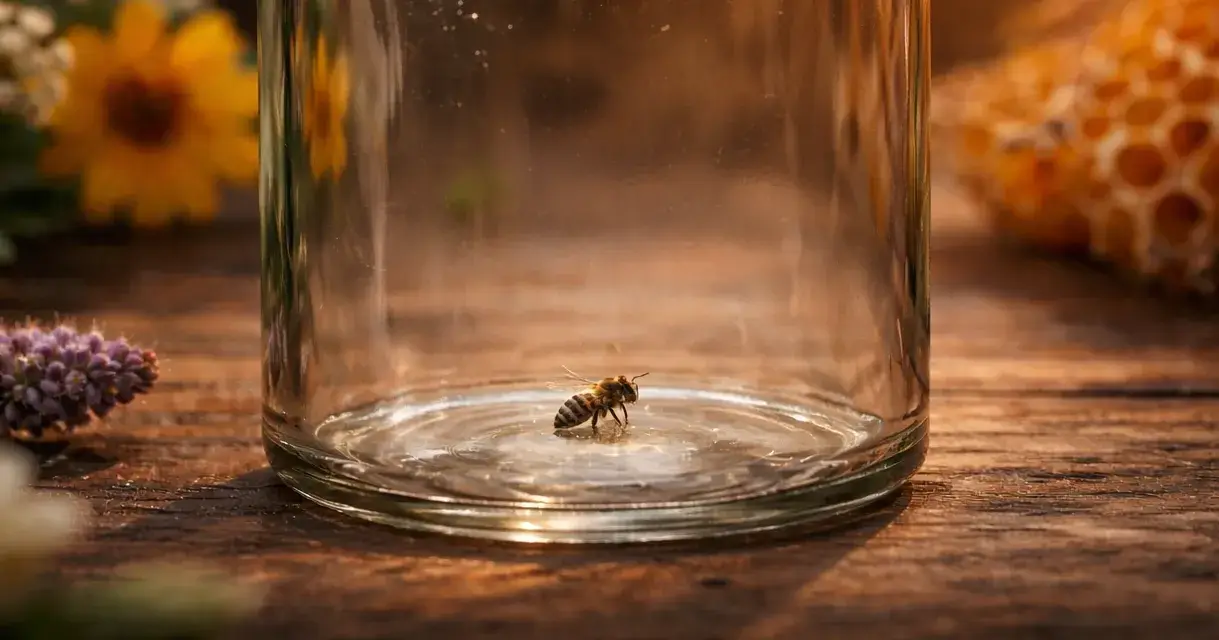
When you start building a product, you’re like an insect trapped inside a glass bottle. You don’t know where the exit is. You don’t even know if there is one. You just keep flying into the walls, learning the shape of the space by impact.
That bottle is the market. The walls are your wrong assumptions.
At the very beginning, you’re not even an insect yet you’re a larva. You’re growing, but you don’t have wings. Launching at this stage doesn’t teach you much. You can’t fly, so every failure looks the same. The feedback you get is less about direction and more about basic survival.
Over time, as you build, the larva develops wings.
Those wings are your MVP.
Not polish. Not scale. Wings.
They’re the minimum capability required to explore the bottle properly. To reach different heights. To test different angles. To learn something new from each collision.
Choosing what goes into the MVP is really about answering one question: What do I need in order to learn meaningfully?
Waiting longer than that waiting for stronger wings feels safer. You tell yourself you’re being disciplined. But without flying, wings don’t get stronger. Coordination doesn’t improve. You don’t learn how the air moves inside the bottle.
Eventually, you have to take flight and accept that you’re going to hit the glass. A lot.
Finding the exit is only the first challenge.
Once you escape the bottle, you still have to survive in the open world. And that’s where the final part of the metaphor matters: not all insects are trying to reach the same destination.
As a founder, one of the few things you truly get to decide is what kind of insect you are.
If you’re a bee, you’re not just escaping you’re looking for flower fields. That means your wings need enough strength to survive the bottle and enough endurance to travel once you’re free. You’ll rely on instinct, on signals from the environment, and on feedback that’s subtler than crashing into glass.
The bottle teaches you how to fly.
The world teaches you where to fly.
Launching isn’t about being reckless or perfect. It’s about launching at the moment you have wings real wings so that every impact teaches you something useful.
Godspeed to anyone brave enough to be a founder. 🐝
P.S. Not all insects are aiming for flower fields. Some fly straight to shit and declare victory.
Which is why deciding what kind of insect you are might be the most important product decision you ever make. 🪰

Join Zack on Peerlist!
Join amazing folks like Zack and thousands of other builders on Peerlist.