

Daily "Paper Cuts" Are Draining Your Team's Focus.

What's one small thing that would make your workday easier?
A faster computer? A better-organized shared drive? A simpler expense report process?
We often dismiss these as minor annoyances. But a growing body of research suggests these small, daily frictions are far from trivial. They are "paper cuts." Individually, they are insignificant. Cumulatively, they can drain the lifeblood of an organization.
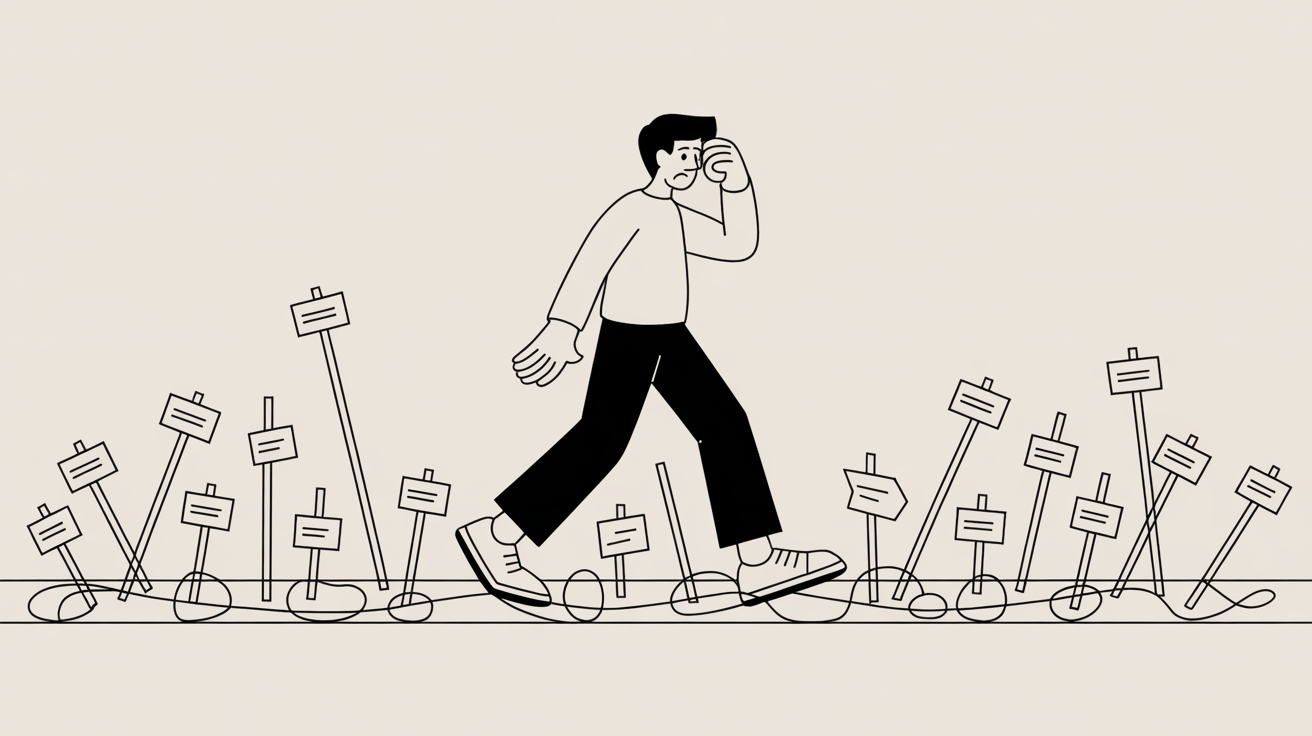
The High Cost of Small Hurdles
Modern work is a minefield of these tiny frustrations. We are constantly navigating confusing processes, searching for siloed information, and dealing with clunky, poorly integrated software. Each of these moments is a small tax on our most valuable professional asset: our cognitive energy.
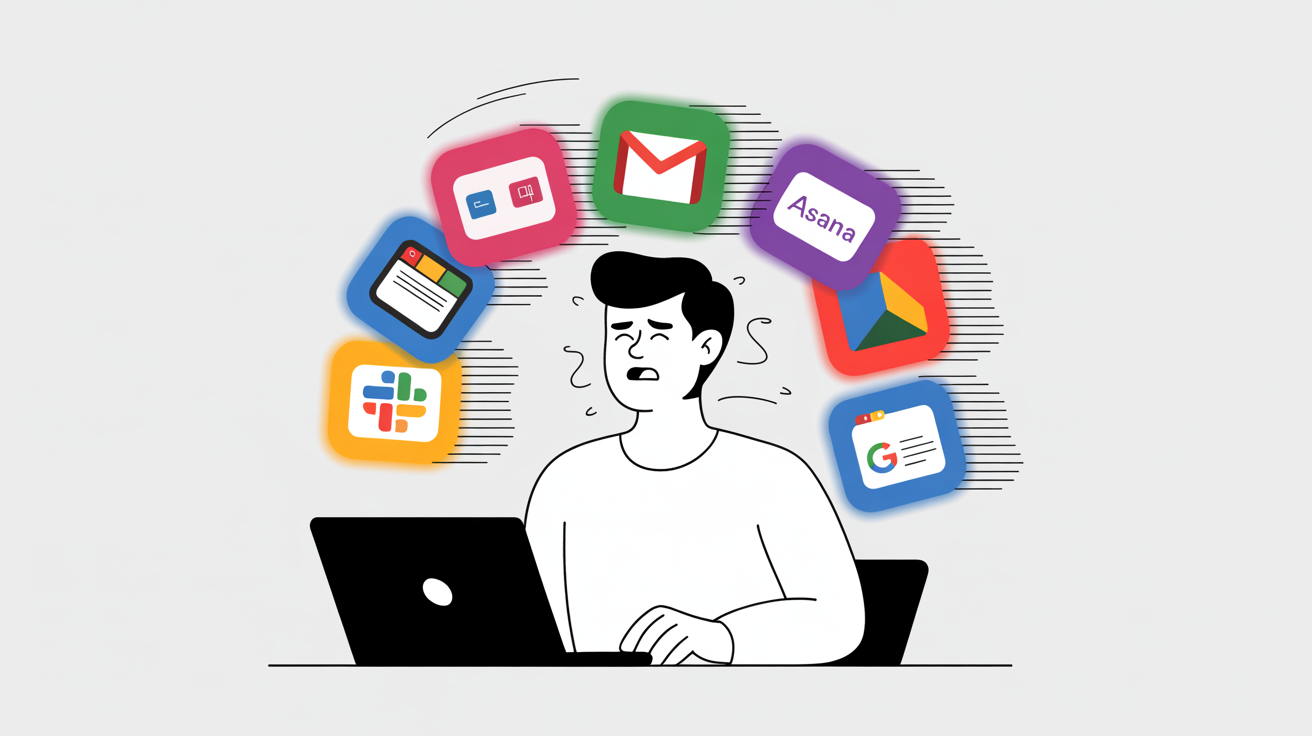
The cost is staggering. Research shows that a typical knowledge worker switches between apps and websites nearly 1,200 times a day. After each single interruption, it can take over 23 minutes to fully regain focus.
This isn't just lost time. It's a state of permanent "attention residue," where our brain is still thinking about the last task, preventing us from engaging in the deep, focused work that creates real value.
Introducing "Cognitive Capital"
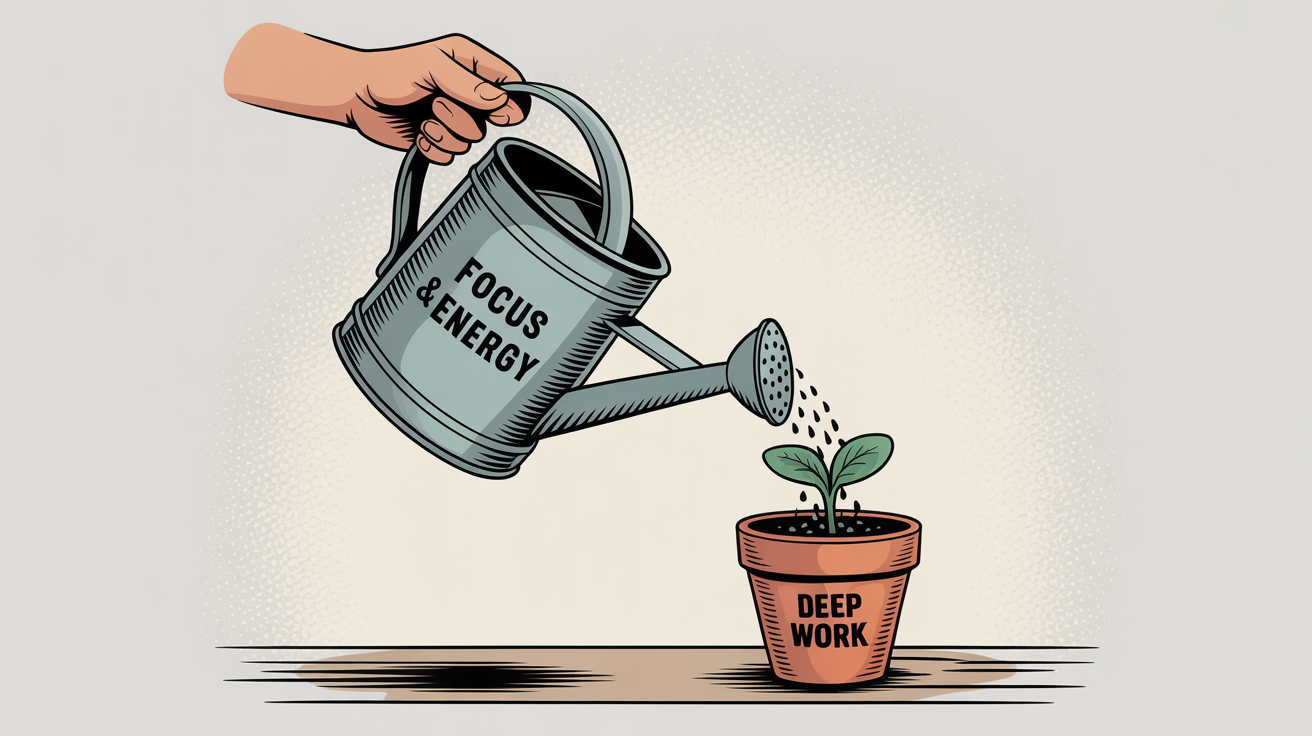
It's time for leaders to reframe this problem. We need to think about our team's collective focus and willpower as a form of Cognitive Capital.
Like financial capital, it's a finite resource. It can be invested, or it can be squandered.

Every time a team member has to search for a password, navigate a confusing UI, or manually copy-paste data between two apps, your team is spending its precious cognitive capital on "work about work." This is the administrative drag that exhausts your team long before they even get to their most important tasks.
The result is decision fatigue, lower quality work, and ultimately, burnout. The "laziness" or "procrastination" we sometimes see in the workplace is often not a character flaw. It is a symptom of a poorly designed environment that has bankrupted its team member's cognitive capital.
Designing a Low-Friction Workplace
The most successful teams of the future won't be the ones that simply demand more from their people. They will be the ones that obsess over reducing cognitive friction. They will treat their team member's attention as the most valuable asset on the balance sheet.
This means investing in truly integrated tools. It means ruthlessly simplifying internal processes. It means creating a work environment where the path of least resistance naturally leads to deep, meaningful work.
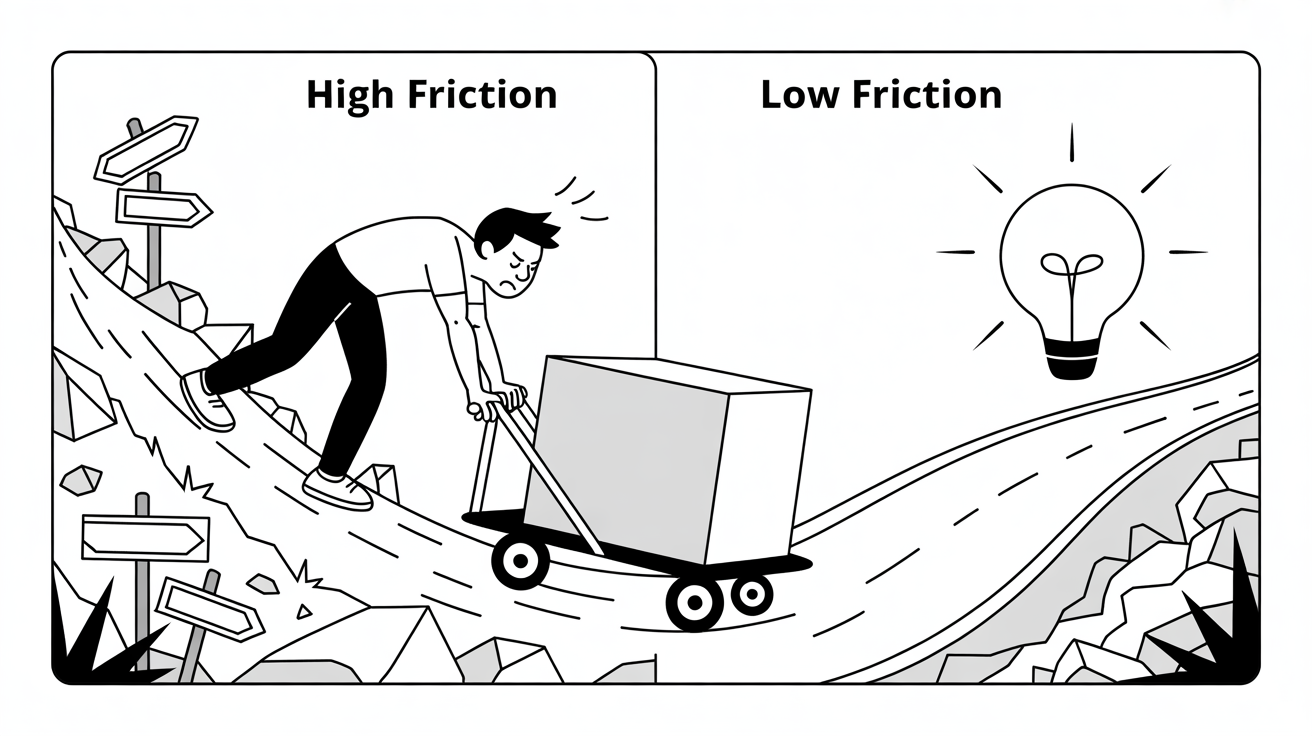
The ultimate productivity hack isn't a new app or a better to-do list. It's a shift in mindset. When we stop seeing small frustrations as mere annoyances and start seeing them as strategic threats to our cognitive capital, we can begin to build a workplace that doesn't just demand focus, but actively designs for it.

Join Zac on Peerlist!
Join amazing folks like Zac and thousands of other builders on Peerlist.
4
14
0