

Great Products Don’t Fail Because of Code
Most developers think building the product is the hard part. In reality, it often isn’t.
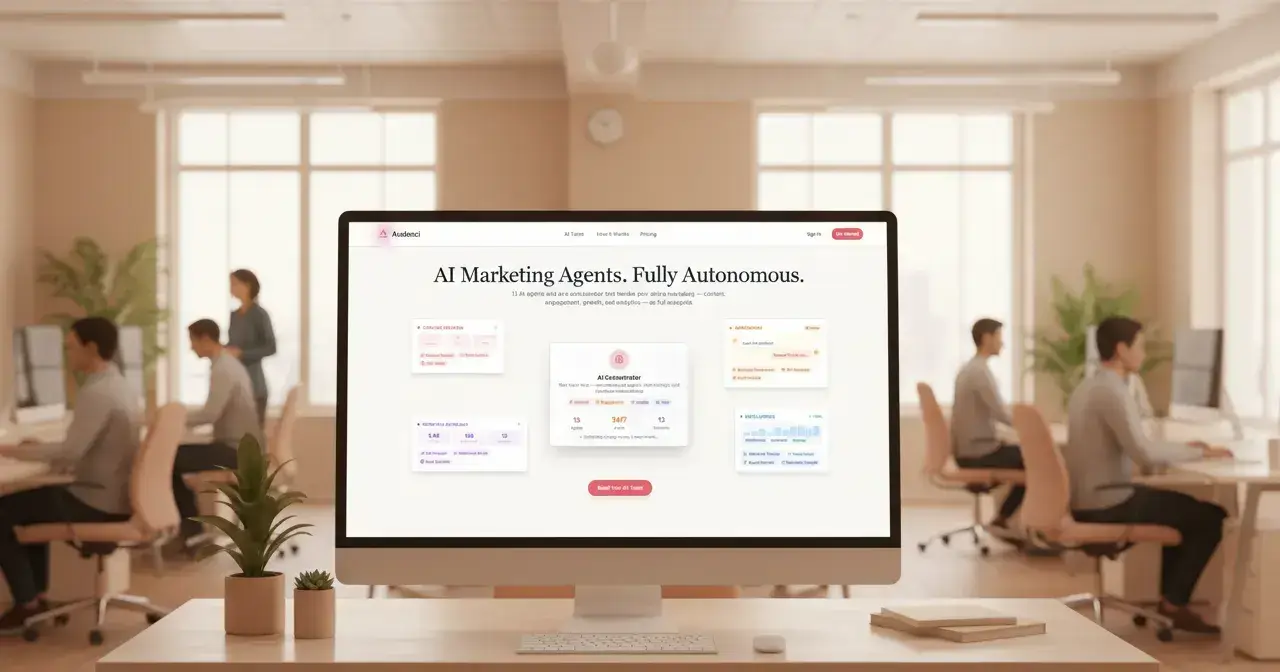
Most developers think building the product is the hard part.
In reality, it often isn’t.
I’ve seen many developers ship products that are technically excellent. The code is clean, the features are thoughtful, and the product genuinely solves a real problem. From an engineering perspective, everything works exactly as it should.
And yet many of these products end up with the same outcome: almost no users.
It’s a strange situation. The product works, people who see it like it, and the problem it solves is real. But very few people ever discover it in the first place.
The uncomfortable truth is that for many indie products, the real challenge isn’t building, it’s distribution.
The Developer–Marketing Gap
Most developers already know marketing is important. The issue is rarely awareness. The problem is that marketing requires a completely different set of habits.
Developers tend to think in terms of systems, logic, and clear outcomes. Marketing often feels much less predictable. It requires storytelling, repetition, experimentation, and most importantly is consistency.
This is where things usually break down.
A typical pattern looks like this: a developer spends weeks or months building a product, launches it, writes a few posts on Twitter or LinkedIn, maybe shares it once on Product Hunt, and then… stops.
Not because they don’t care about marketing, but because it quickly becomes exhausting.
Writing content regularly is difficult. Thinking of new ideas every day is difficult. Posting consistently across platforms is difficult. And when you’re already busy fixing bugs, shipping features, and talking to users, marketing often becomes the first thing that gets dropped.
The Real Problem: Consistency
The interesting thing is that marketing rarely works instantly.
One post does almost nothing.
Five posts might still do almost nothing.
But consistent visibility over time changes everything. When people repeatedly see what you’re building, they begin to remember it, talk about it, and eventually try it.
The challenge is that consistency is hard when marketing is treated as a daily manual task.
Most indie developers don’t fail at marketing because they lack creativity. They fail because maintaining the process every single day becomes unsustainable.
Developers Usually Solve This Differently
When developers encounter repetitive work in engineering, they rarely keep doing it manually forever. Instead, they build systems.
We automate testing.
We automate deployments.
We automate monitoring.
The goal is always the same: reduce the amount of manual work required to maintain something consistently.
But strangely, many developers still approach marketing in the most manual way possible. Every post requires starting from scratch: thinking of ideas, writing content, creating variations, scheduling it, and remembering to do it again tomorrow.
That’s not really a system, it’s a task list.
What If Marketing Worked More Like a System?
That question eventually led me to think about marketing from a slightly different angle.
Instead of treating it as something that needs to be done manually every day, what if it could function more like a workflow?
Imagine a process where ideas can be generated automatically, turned into posts, scheduled across platforms, and published consistently without constant effort. Over time, the system would also learn what kind of content works best and help improve future posts.
In other words, marketing could behave more like infrastructure than a daily chore.
Why I Built Audenci
Because I kept running into this exact problem myself, I decided to build a tool specifically for developers, indie hackers, and solo founders who struggle with marketing consistency.
The tool is called Audenci.
Audenci is designed as an AI-powered marketing assistant that helps manage the social media workflow for builders. Instead of writing every post manually, users can generate posts, captions, and hashtags with AI, schedule them automatically, and publish across multiple platforms from one place.
It also provides insights into what content performs best, making it easier to understand what resonates with your audience over time.
The goal isn’t to replace marketing strategy or creativity. Storytelling and understanding users will always matter. But much of the repetitive work—idea generation, drafting content, scheduling posts can be simplified.
For many builders, the biggest challenge isn’t knowing that marketing matters. The challenge is simply maintaining visibility while still focusing on building the product.
Audenci is built to help close that gap.
For Builders Who Just Want to Keep Building
If you’re a developer who has ever felt like your product is good but nobody knows about it, you’re definitely not alone. The gap between building and distribution is something almost every indie founder eventually encounters.
Tools won’t magically solve marketing overnight, but the right systems can make consistency much easier.
If you’re curious, you can check out Audenci here:
https://audenci.com/
I’d also love to hear how other developers approach this problem. Do you have a workflow that helps you stay consistent with marketing, or do you mostly focus on building and hope users eventually discover your product?

Join Hazel on Peerlist!
Join amazing folks like Hazel and thousands of other builders on Peerlist.
0
6
0