

We’re Moving From “Asking AI” to “Assigning AI Work”
When AI moves from answering questions to actually performing work, the role of humans changes as well.
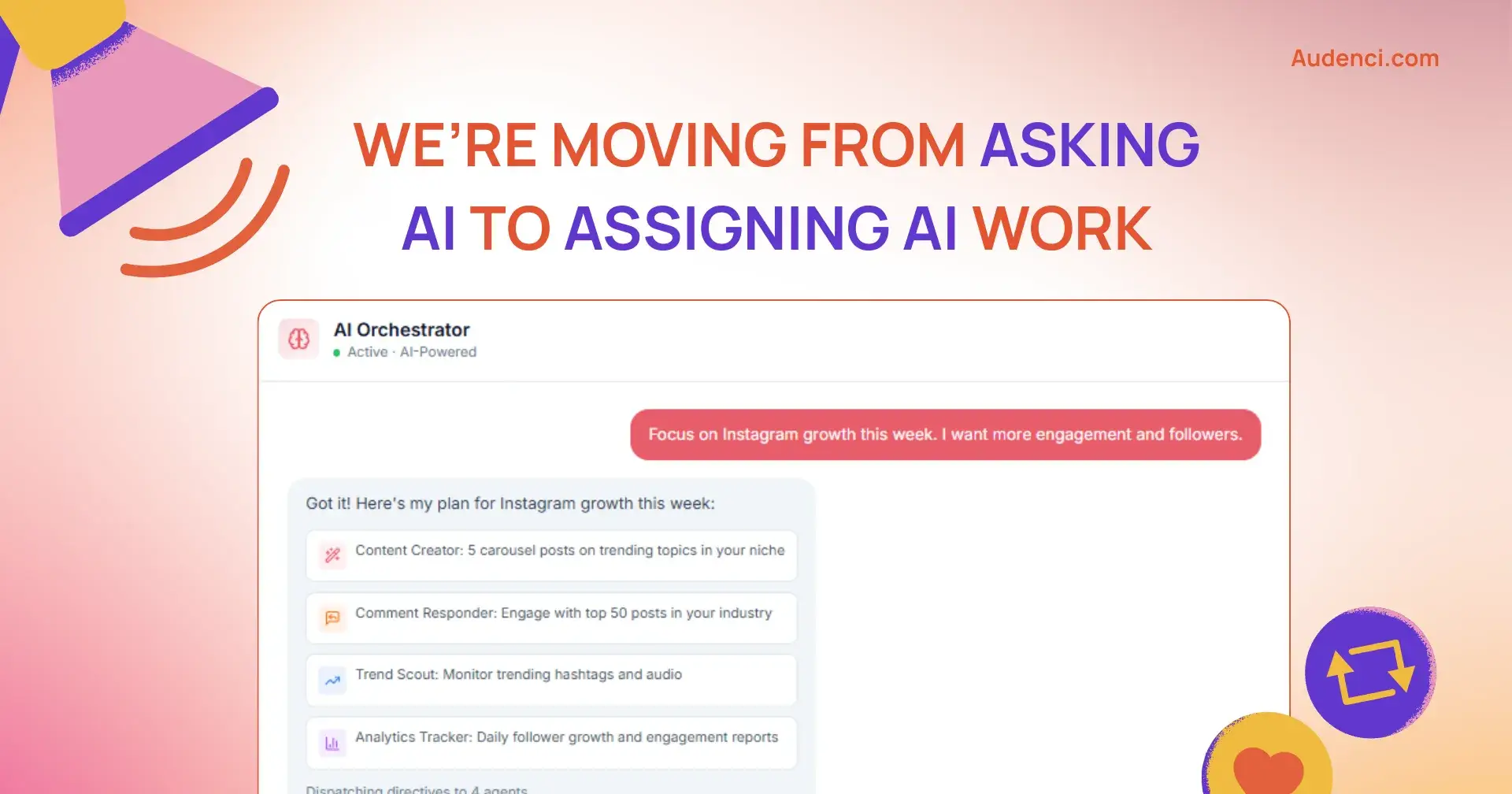
For the past couple of years, most of us have interacted with AI in a similar way.
We ask questions.
We ask AI to write something, summarize something, explain something. AI responds, and then we take that response and continue working ourselves.
In other words, AI has mostly been used as a smarter search engine or a writing assistant.
But recently, something more interesting has started to happen.
We’re slowly shifting from asking AI questions to assigning AI responsibilities.
And that shift might fundamentally change how people work.
1. The difference between an AI tool and an AI agent
Most AI tools today are reactive.
You open the tool.
You ask a question.
You receive an answer.
But an AI agent behaves differently. Instead of simply responding, it can actually perform tasks and manage workflows.
Think about the difference.
Instead of asking:
“Can you summarize these emails?”
You could say:
“Every morning, review my inbox and send me a summary of important conversations.”
Some companies are already experimenting with this idea. Tencent, for example, has explored AI agents that can access emails and generate daily reports so users can quickly understand what matters.
In this model, AI is no longer just answering questions.
It’s doing work on your behalf.
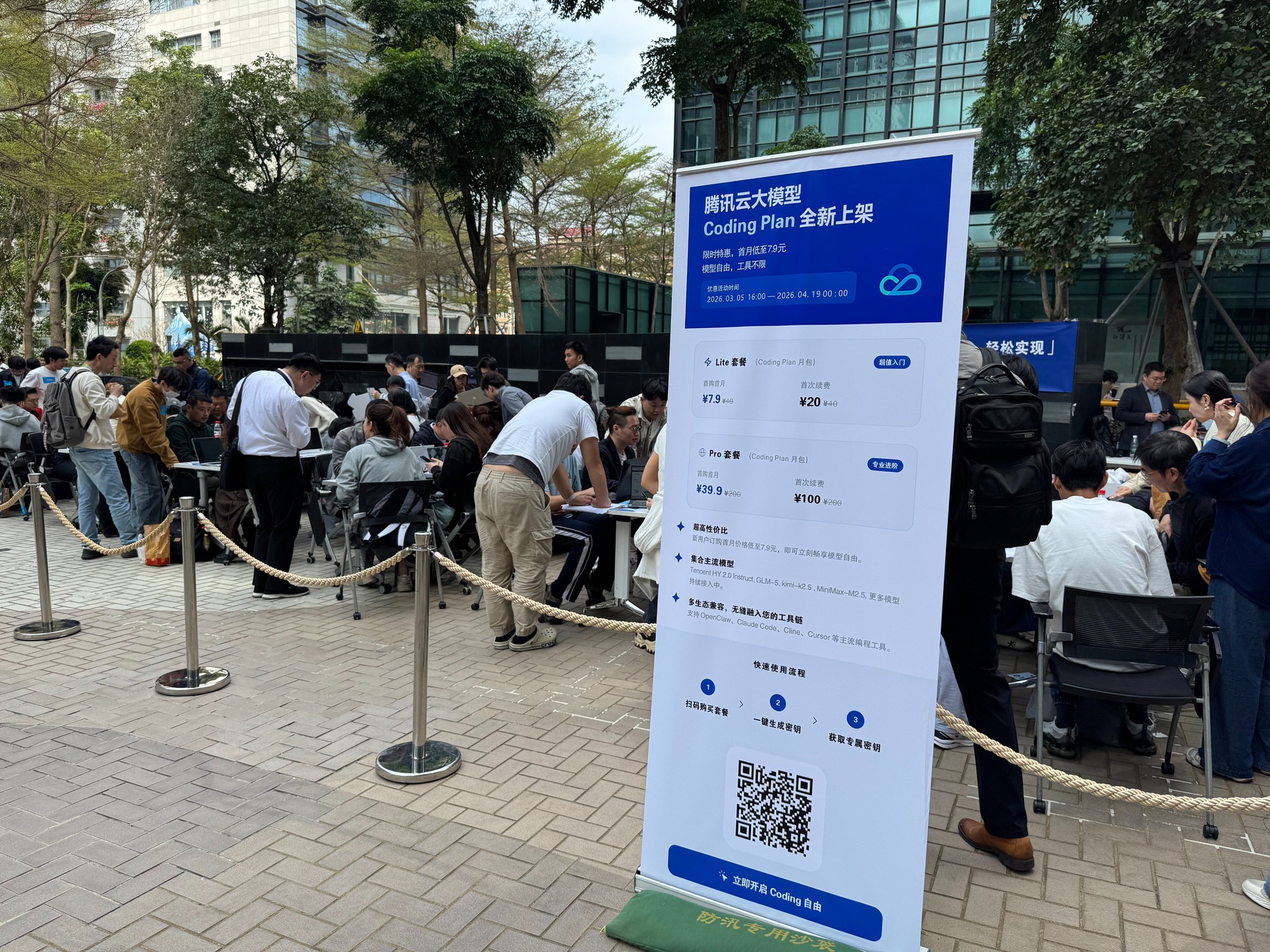
Hundreds of people lining up at Tencent’s headquarters just to install an AI agent on their laptops for free.
2. The real potential of AI: removing operational friction
Most knowledge workers don’t spend all their time thinking.
A surprising amount of time goes into operational tasks:
reviewing messages
gathering data
summarizing reports
monitoring dashboards
compiling updates
These activities are necessary, but they rarely create new ideas or strategies.
They simply support them.
AI agents become interesting because they can absorb much of this operational workload.
Instead of manually collecting information, people can receive structured insights and spend their time interpreting them.
That shift might sound small, but it fundamentally changes how teams operate.
3. From tools to teammates
The moment AI starts managing workflows, the relationship between humans and software changes.
Instead of interacting with tools, you begin interacting with systems that behave more like teammates.
You give instructions.
They execute.
They report back.
Your role becomes less about gathering information and more about making decisions based on that information.
4. What this means for marketing teams
Marketing is a great example of where AI agents could make a real difference.
A large portion of marketing work involves repetitive coordination:
planning content
publishing posts
tracking engagement
analyzing campaign data
Each step requires attention, but most of it doesn’t require deep creativity.
If an AI agent could monitor these workflows and generate structured insights automatically, marketing teams could focus far more on strategy and experimentation.
5. Why we started building Audenci
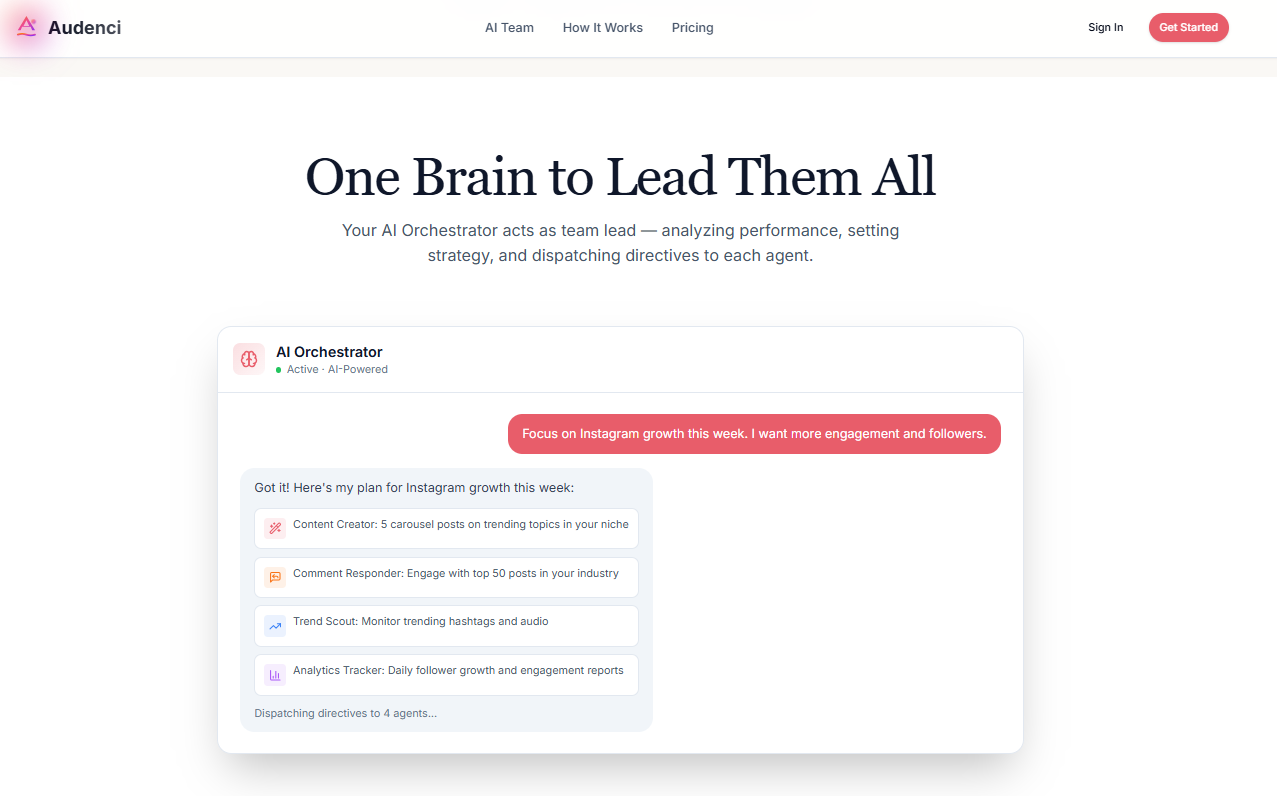
This idea is something my team and I have been exploring with Audenci.
Instead of creating another dashboard for marketers to manage, we wanted to experiment with an AI marketing agent that can actively participate in the workflow.
The idea is simple:
You don’t just ask the system questions.
You assign it responsibilities.
The AI can help plan marketing activities, gather performance data, and report insights back to the team.
That allows marketers to focus more on the strategic side of growth.
Final thoughts
The biggest shift in AI may not be better answers.
It may be better execution.
When AI moves from answering questions to actually performing work, the role of humans changes as well.
We spend less time collecting information and more time interpreting it.
And that’s where creativity and strategy begin to matter even more.
If you're curious about how this concept works in practice, you can explore Audenci, the AI marketing agent we're building to help teams automate marketing workflows and turn AI into an active member of the team.
You can try my AI Agent at: 👉 https://audenci.com

Join Hazel on Peerlist!
Join amazing folks like Hazel and thousands of other builders on Peerlist.
0
6
0