

2,500 Startups. 10 Spots. What Innopreneurs Season 12 Quietly Teaches You About Building
Nagpur wasn’t supposed to be intense. At least, that’s what I thought when we first landed for Innopreneurs Season 12.
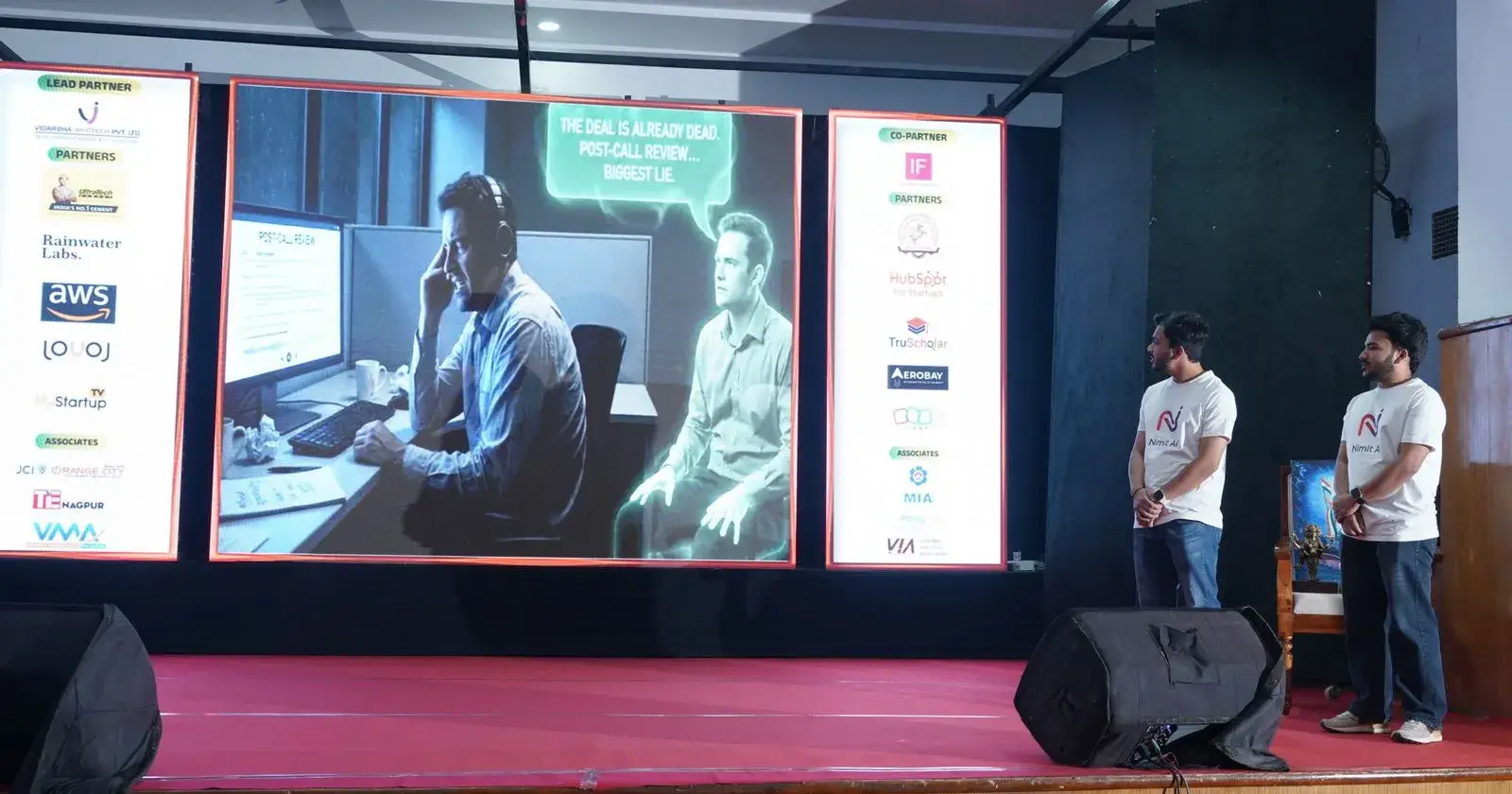
Another startup event.
A few pitches.
Some networking.
That was the expectation.
What we walked into… was something very different.
It Doesn’t Feel Real at First
When you hear that 2,500+ startups are participating, it sounds impressive.
But it doesn’t feel real—until the rounds begin.
2,500 becomes 1,200.
Then 500.
Then 100.
And suddenly, every room feels quieter.
Not because there are fewer people.
But because the noise—the fluff, the over-explanations, the buzzwords—starts disappearing.
By the time you reach the final stages, something changes.
You’re no longer competing with ideas.
You’re surrounded by clarity.
The “AI-Powered” Illusion
There was one pattern you couldn’t ignore.
Almost every second startup described itself the same way:
“We are an AI-powered platform.”
And honestly, at first, it sounded convincing.
Until the judges started asking a very simple question:
“What exactly is your AI doing?”
That’s when things got uncomfortable.
Because saying AI is easy.
Explaining it in plain language? That’s where most people struggle.
And in that moment, you realize something important:
It’s not that people don’t have good ideas.
It’s that they haven’t thought them through enough to explain them simply.
The Stage Changes Everything
There’s a moment every founder imagines—standing on stage, presenting their startup.
But the reality is different from the imagination.
It’s faster.
Sharper.
Less forgiving.
You’re not just presenting.
You’re being interrupted.
Questioned.
Pushed to simplify… instantly.
We had a choice before going up:
Play it safe with slides, like everyone else.
Or take a risk.
We chose to run a live demo.
No rehearsed transitions.
No hiding behind design.
Just the product—working (or not working) in real time.
And something clicked in that moment.
People leaned in.
Not because the demo was perfect.
But because it was real.
The Most Important Conversation Happened Off-Stage
After one of the rounds, we had a short conversation with a mentor.
It didn’t feel like a big moment at the time.
But it stayed.
He asked us:
“Why does this actually matter to your user?”
Not what it does.
Not how it works.
Why it matters.
And we didn’t have a clean answer.
We were explaining features.
Not the actual pain.
The Shift Most Founders Miss
That one question changes how you see your own product.
You stop asking:
“What does our product do?”
And start asking:
“What breaks if this product doesn’t exist?”
That’s a harder question.
But it leads to better answers.
Better positioning.
Better conversations.
Better decisions.
What Investors Are Actually Looking For
We spoke to multiple investors during the event.
Not in formal pitches—just conversations.
And something became very clear.
They’re not impressed by:
fancy terminology
complex explanations
or “cool” ideas
They’re quietly evaluating something else:
Is this solving a real problem?
Is this scalable?
Is there something defensible here?
It’s a much simpler filter than most founders expect.
But also much harder to pass.
What Stays With You
Yes, making it to the Top 10 matters.
But that’s not what stays with you.
What stays is:
the questions you couldn’t answer immediately
the moments where your explanation felt weak
the realization that clarity is harder than building
Because in the end, building a startup isn’t just about creating something.
It’s about understanding something deeply enough to explain it simply.
A Quiet Reminder for Builders
If you’re building something right now, maybe take a step back and ask:
Can I explain this without buzzwords?
Can I show it working instead of just describing it?
Am I solving something real—or just something interesting?
Because when the moment comes—
on a stage, in front of investors, or even in a simple conversation—
You won’t be judged by how complex your idea is.
You’ll be judged by how clearly you understand it.
And clarity… is rare.
Nimit Ai - https://is.gd/Sz4ADf
Join Nilansh on Peerlist!
Join amazing folks like Nilansh and thousands of other builders on Peerlist.
0
0
0