

AI Agents Are Replacing Junior Developers: What Mid-Level Engineers Should Do Now
The survival guide for developers navigating the AI-first workplace
GitHub Copilot can now write entire functions. Cursor IDE completes your thoughts. DeepSeek can debug better than most junior developers.
If you're a mid-level engineer watching AI agents handle tasks that junior developers used to do, you are probably wondering what this means for your career. The numbers are staggering.
AI agent adoption has grown 99x in the past year, with over 70% of development teams now using AI coding assistants daily.
Junior-level tasks are being automated faster than anyone predicted. Basic code generation, simple debugging, and routine documentation are increasingly handled by AI.
But here's the thing: this shift creates massive opportunities for engineers who position themselves correctly.
You are about to learn exactly how to future-proof your career and thrive in this AI-driven landscape. We'll cover which skills are at risk, which ones make you irreplaceable, and the specific strategies that successful mid-level engineers are using right now.
The AI Agent Revolution: What's Actually Happening
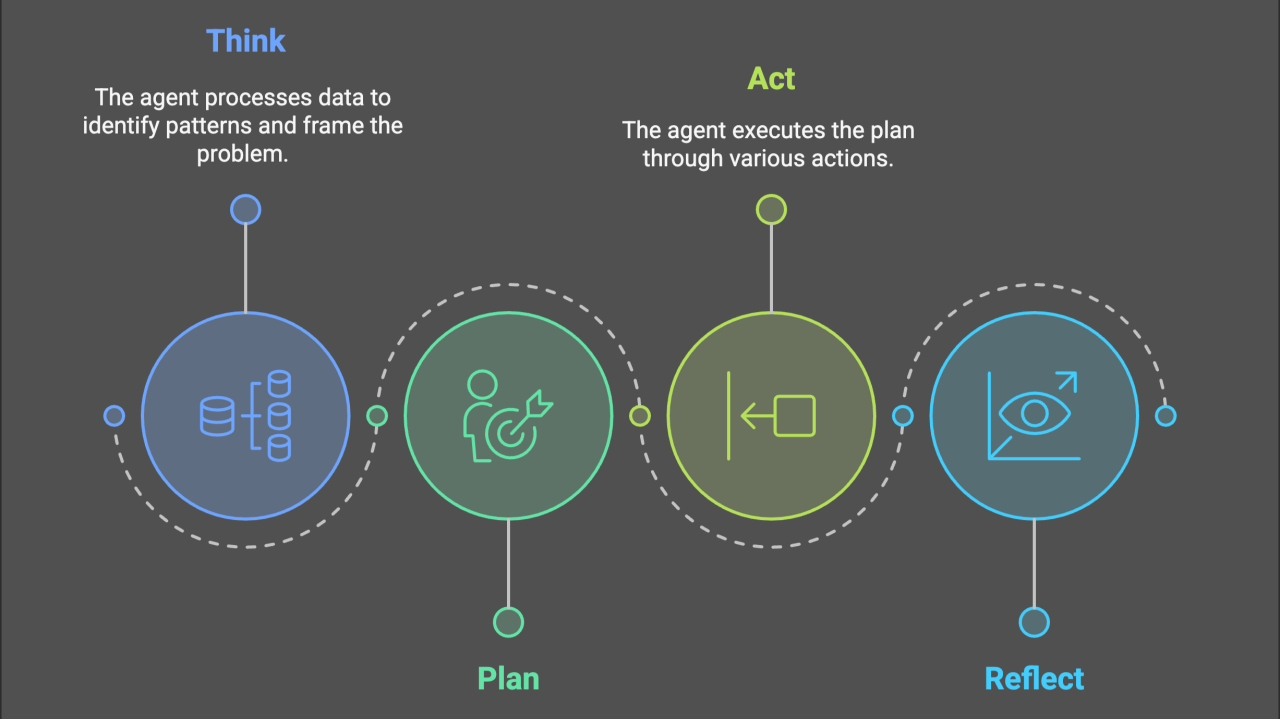
AI agents have moved beyond simple code completion. Today's tools fundamentally change how development work gets done.
Current AI capabilities include:
GitHub Copilot generates 40% of code in repositories where it's enabled
Cursor IDE can refactor entire codebases based on natural language prompts
Claude and ChatGPT debug complex issues faster than most junior developers
Automated testing tools write comprehensive test suites from specifications
Major companies are already seeing dramatic changes. Shopify reports that their developers spend 60% less time on routine coding tasks. Microsoft's internal teams complete features 30% faster when using AI agents effectively.
The shift is happening at the task level. AI excels at:
Writing boilerplate code and standard implementations
Generating unit tests and documentation
Debugging common error patterns
Translating requirements into basic code structures
But here's what's interesting: teams using AI agents most effectively aren't replacing developers. They're amplifying human capabilities and tackling more complex challenges than ever before.
Have you noticed AI taking over tasks you used to do manually? The change is happening whether we acknowledge it or not.
Which Developer Skills Are at Risk (And Which Aren't)
Understanding the AI threat landscape helps you focus your energy on the right areas.
Skills at immediate risk:
Basic CRUD operations and database queries
Standard API integrations and boilerplate code
Simple debugging of common framework issues
Writing basic documentation and comments
Repetitive configuration and setup tasks
Skills that remain human-dominated:
System design and architectural decision-making
Complex problem-solving across multiple services
Stakeholder communication and requirement gathering
Code review and quality assessment
Performance optimization and security considerations
Recent job posting analysis reveals a fascinating trend. Demand for "senior" and "lead" developer roles increased 34% in 2025, while "junior" postings dropped 18%. Companies need engineers who can work with AI tools while handling complex, strategic challenges.
Emerging skill categories you should develop:
AI prompt engineering for development workflows
Quality assurance of AI-generated code
Human-AI collaboration in technical teams
Cross-functional project coordination
The key insight? AI makes routine tasks trivial but increases demand for engineers who can handle complexity, ambiguity, and strategic thinking.
The Mid-Level Engineer Advantage: How to Level Up
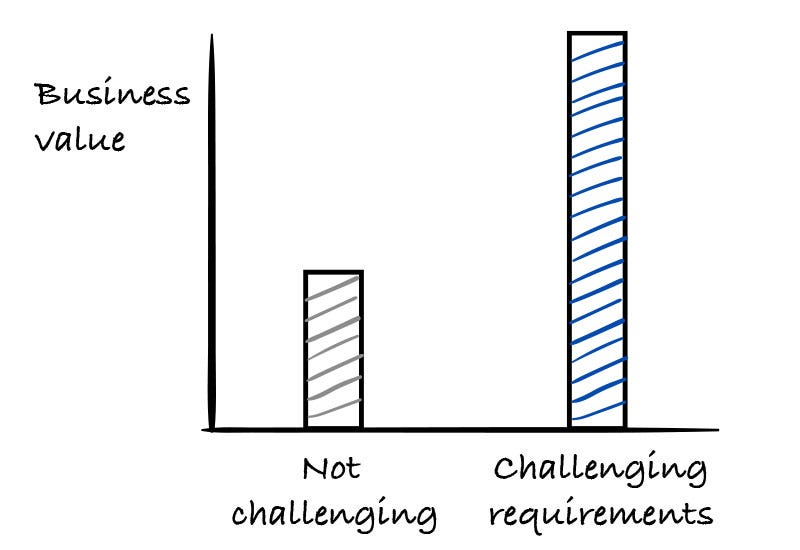
Mid-level engineers are perfectly positioned to capitalize on this shift. You have enough experience to understand complexity but aren't locked into senior-level responsibilities yet.
Focus on architecture and system design. Start thinking beyond individual features. How do different services interact?
What happens when your system scales 10x? Practice designing systems on paper and discussing trade-offs with your team.
Develop cross-functional collaboration skills. The future belongs to engineers who can bridge technical and business concerns. Attend product meetings. Understand user needs. Learn to translate technical constraints into business language.
Become an AI multiplier. Don't just use AI tools; master them. Learn which prompts generate better code. Understand when to trust AI output and when to question it. Develop workflows that combine your expertise with AI capabilities.
Master project complexity management. This is where the real opportunity lies. As AI handles routine tasks, projects become more ambitious and complex. Teams need engineers who can coordinate multiple moving parts, manage dependencies, and ensure nothing falls through the cracks.
Here's a real example: A team I know started using AI agents for their API development. Initially, they thought they'd need fewer developers. Instead, they tackled three additional product features simultaneously.
The challenge became coordinating all the parallel work streams, managing integrations, and ensuring quality across rapid development cycles.
This created demand for engineers who could handle project orchestration and maintain visibility across complex, fast-moving initiatives. Modern project management approaches become essential when teams mix human creativity with AI acceleration.
Future-Proofing Your Developer Career in 2025
The engineers thriving in this new landscape share common characteristics. They're strategic, collaborative, and comfortable with ambiguity.
Skills to develop immediately:
System thinking: Practice designing end-to-end solutions
Communication: Write clear technical documentation and present to non-technical stakeholders
AI collaboration: Integrate AI tools into your daily workflow effectively
Quality assessment: Develop instincts for evaluating and improving AI-generated code
Practical steps you can take this week:
Contribute to architectural discussions in your current role
Volunteer for cross-team projects that require coordination
Start a side project that showcases system design thinking
Join technical communities where you can demonstrate expertise
Build a portfolio that showcases high-level thinking. Instead of showing code snippets, document your approach to complex problems. Explain architectural decisions. Show how you've coordinated team efforts or improved development processes.
Leverage platforms like Peerlist for networking. Share insights about AI integration challenges. Connect with other engineers navigating similar career transitions. The professional relationships you build now will create opportunities as the industry evolves.
The key is positioning yourself as someone who can handle the increased complexity and coordination that AI-augmented development creates.
Embracing the AI-Augmented Future
The shift toward AI agents isn't a threat to your career. It's an opportunity to focus on more interesting, strategic work while AI handles routine tasks.
The engineers who thrive will be those who embrace AI as a powerful tool while developing uniquely human capabilities: strategic thinking, complex problem-solving, and team coordination. They'll work on more ambitious projects, solve harder problems, and have greater impact than ever before.
The transition requires intentional skill development and strategic positioning. But for mid-level engineers willing to adapt, the future holds more opportunities, not fewer.
The teams that adapt fastest will have the biggest advantage. They'll build better products, move faster, and create more value by combining human creativity with AI capabilities.
What AI tools are you currently using, and how have they changed your daily workflow? Share your experiences in the comments - your insights could help fellow engineers navigate this transition more effectively.

Join Pratham on Peerlist!
Join amazing folks like Pratham and thousands of other builders on Peerlist.
2
7
0