

Why 73% of Development Projects Fail: The Hidden Productivity Killers Your Team Ignores (And How to Fix Them)
Discover the hidden productivity killers destroying 73% of development projects. Learn practical solutions to boost your team's success rate and delivery speed.

You started your development project with high hopes. Your team was motivated. The timeline seemed reasonable. Yet here you are, three months later, watching another deadline slip by,

sounds relatable?
You are not alone. I also face this also according to recent industry data, 73% of software development projects either fail completely or significantly exceed their original scope and timeline.
The frustrating part? Most teams keep repeating the same productivity-killing mistakes without realizing it.
Today, we will uncover the four hidden productivity killers that are sabotaging your development projects. More importantly, you will learn practical strategies to eliminate them and dramatically improve your team's success rate.
The Communication Black Hole: When Information Gets Lost

The biggest productivity killer isn't technical debt or complex code. It's poor communication, so the real blocker is communication.
Here's what happens in most development teams:
Project requirements get discussed in Slack
Design feedback lives in email threads
Bug reports scatter across multiple tools
Client feedback arrives through random channels
The Real Impact
A recent study by McKinsey found that developers spend 21% of their time searching for information or waiting for clarification. That's over one full day per week lost to communication inefficiency.
Consider this scenario:
Your designer updates a UI component, but the developer working on it doesn't see the change until three days later.
The backend developer has already built the API based on the old design. Now you need to refactor both frontend and backend code.
The Real Fix
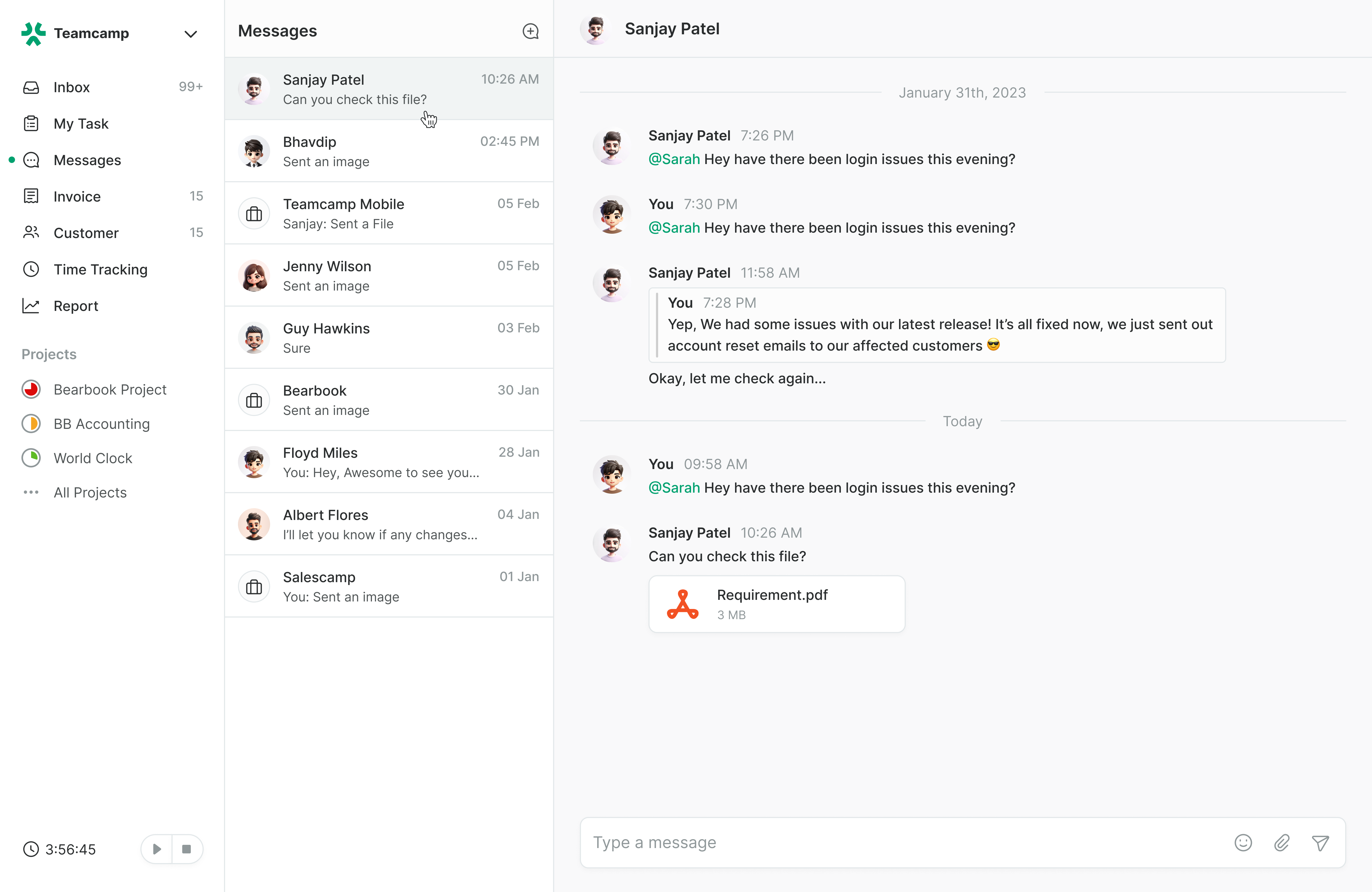
Centralize your communication flow. Every project-related conversation should happen in one place where your entire team can see it.
Successful teams use dedicated project spaces where:
All stakeholders can access current information
Utilize an all-in-one tool like Teamcamp to enhance communication with clients through the Client portal, thereby managing clients more effectively.
Updates automatically notify relevant team members
Decisions get documented with context
File versions stay synchronized
This isn't about using more tools. It's about using the right structure within your existing workflow.
The Scope Creep Monster: When "Small Changes" Destroy Timelines
"Can we just add one tiny feature?"
Those seven words have killed more projects than any technical challenge. Scope creep happens when small requests accumulate without proper impact assessment.
Why It's So Dangerous
Each "small" addition creates a ripple effect:
Frontend changes require backend modifications
New features need testing across all user flows
Documentation needs updates
Integration points multiply exponentially
A client portal project I worked on started as a simple file-sharing system. By launch, it included user roles, analytics, automated notifications, and custom branding. The timeline expanded from 6 weeks to 4 months.
The Prevention Strategy
Document everything upfront. Create a detailed project scope that includes:
Specific features and their boundaries
What's explicitly not included
Change request process with time estimates
Impact assessment for any modifications
When clients or stakeholders request changes, show them the timeline impact visually. Most people don't realize that adding a "simple" user dashboard affects database design, API structure, frontend components, and testing protocols.
The Tool Chaos Problem: When Your Stack Works Against You
Your team probably uses 15+ different tools. Slack for chat. GitHub for code. Figma for designs. Jira for tickets. Email for client communication.
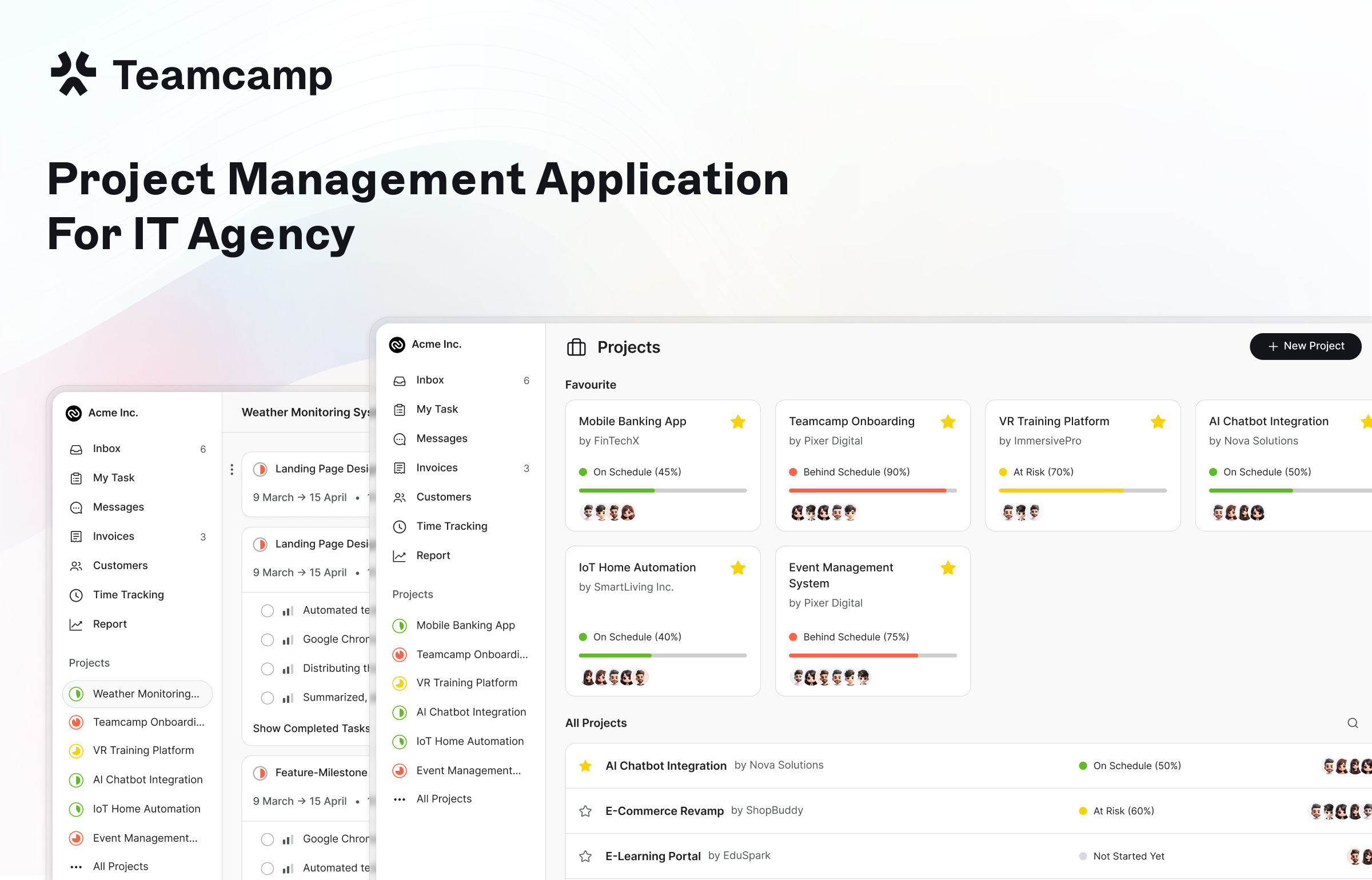
But here is the Teamcamp who gives All in One which gives communication, task management, client management, and file storage in one place
Tool fragmentation creates invisible productivity drains:
Context switching between platforms wastes mental energy
Information silos prevent team-wide visibility
Duplicate data entry leads to inconsistencies
Integration failures cause missed updates
The Consolidation Solution
Audit your current tool stack. Ask these questions:
Which tools serve overlapping purposes?
Where do team members waste time switching contexts?
What information gets lost between platforms?
Streamline ruthlessly. Choose tools that integrate well or platforms that handle multiple functions effectively.
For example, instead of using separate tools for project management, client communication, time tracking, and file sharing, consider platforms that unify these workflows. Teams using integrated solutions report 40% faster project completion rates.
The Feedback Loop Breakdown: When Clients Become Bottlenecks
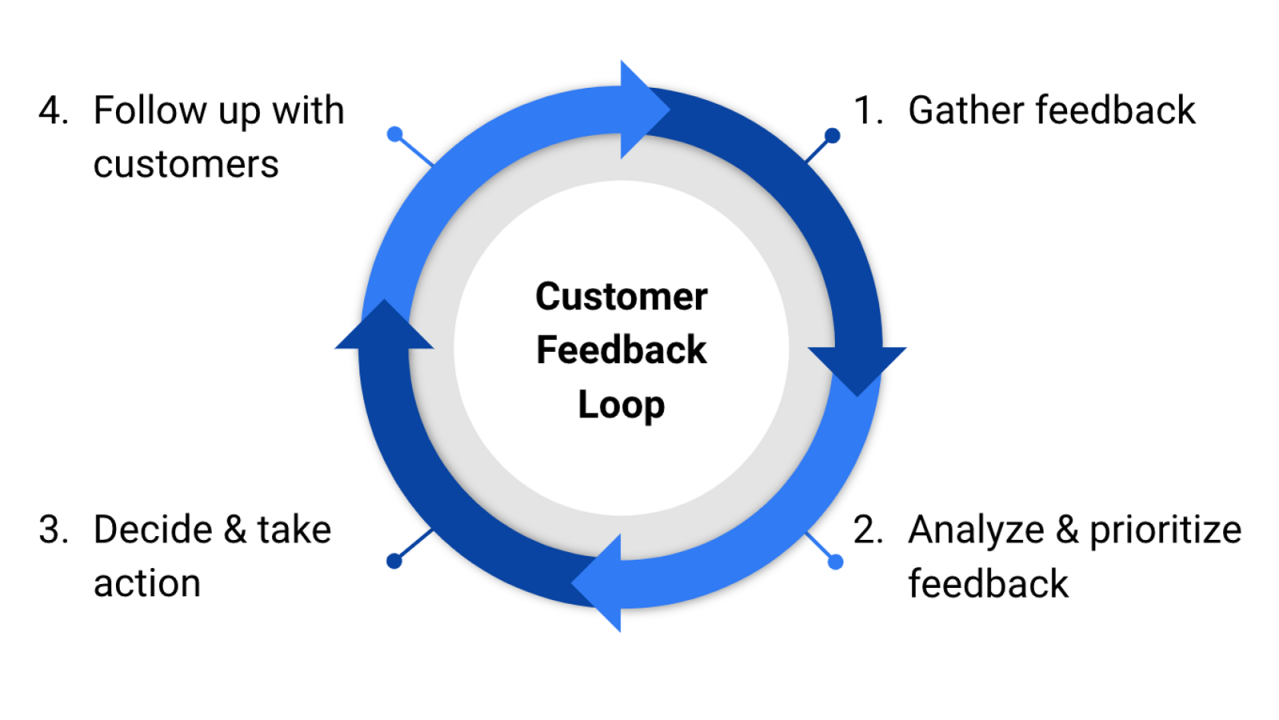
Poor client feedback processes destroy project momentum. Here's the typical broken cycle:
You send work for review via email
Client reviews internally (timeline unknown)
Feedback arrives in mixed formats (email, phone, screenshots)
Clarification requests bounce back and forth
Final approval takes weeks
The Structured Approach
Create a systematic feedback process:
Set specific review windows with deadlines
Use standardized feedback formats
Provide clear approval/rejection criteria
Track feedback status transparently
The most successful projects use client portals where stakeholders can:
View current progress in real-time
Leave contextual feedback directly on designs or features
See exactly what needs their input
Track their own response times
This approach reduces feedback cycles from weeks to days and eliminates the "I thought someone else was reviewing this" delays.
Turning Knowledge Into Action
These productivity killers seem obvious when you read about them. Yet they persist because fixing them requires systematic change, not quick patches.
Start with one area where your team struggles most. If communication is your biggest pain point, tackle that first. If scope creep derails every project, implement change management processes before starting your next build.
The teams that consistently deliver successful projects don't have more talented developers or bigger budgets. They have better systems that prevent these common productivity drains from occurring.
Remember: every hour you spend setting up proper workflows saves 10 hours of firefighting later.
What's the biggest productivity killer your development team faces? Have you found effective solutions that actually stick? Let's discuss your experiences in the comments.
Ready to eliminate these productivity killers? Start by auditing your current project management approach and identifying which of these four areas needs attention first.
#ProductDevelopment #ProjectManagement #DeveloperProductivity #TeamCollaboration #TechLeadership

Join Pratham on Peerlist!
Join amazing folks like Pratham and thousands of other builders on Peerlist.
0
9
0